
Beautiful Plants For Your Interior
Beautiful Plants For Your Interior
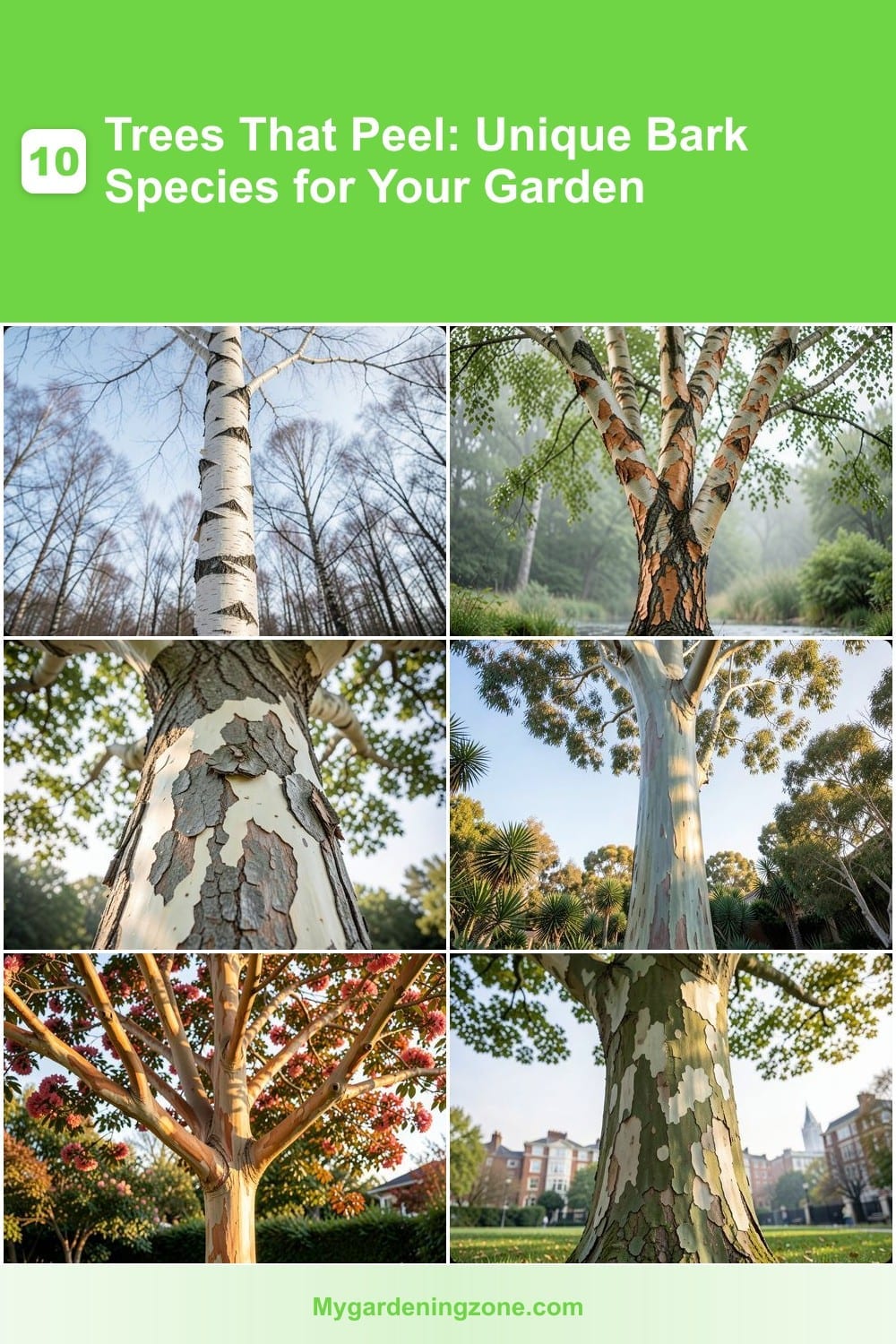
Discover the beauty of exfoliating bark with these ten stunning trees that naturally peel, adding texture, color, and year-round interest to your garden. These unique species transform your landscape with minimal maintenance.
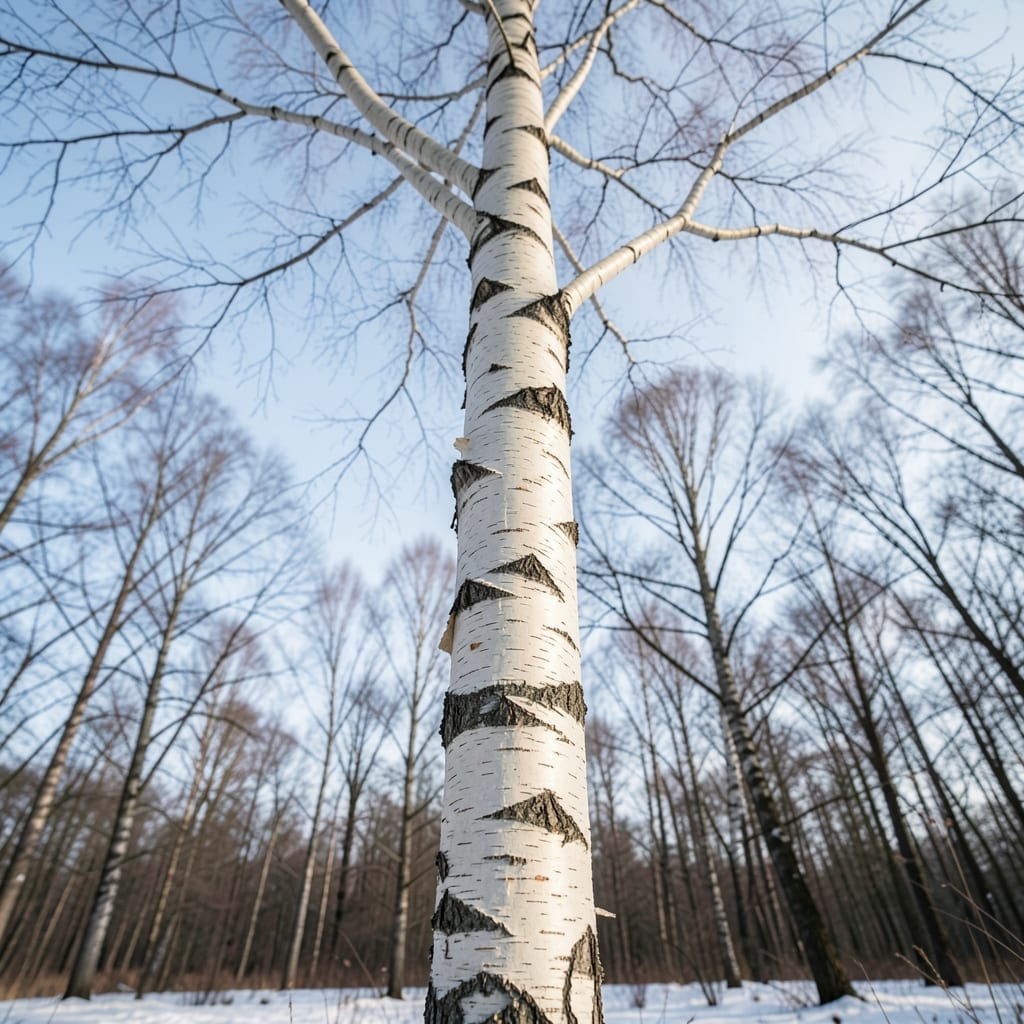
Nothing transforms a winter landscape like the paper birch tree, its snow-white bark curling away in delicate, papery sheets. This northern icon stands out against bare branches, offering year-round visual interest when most trees look dormant.
It thrives in USDA zones 2-7 and prefers cool climates, making it perfect for gardeners who want that crisp forest aesthetic. The bark’s natural exfoliation reveals fresh, bright layers underneath, and its black diamond lenticels add striking contrast. Plant it as a focal point or in clusters for a woodland feel.
Ideal for those in colder regions who want low-maintenance drama, this tree grows 50-70 feet tall with a graceful, open canopy. 🌿
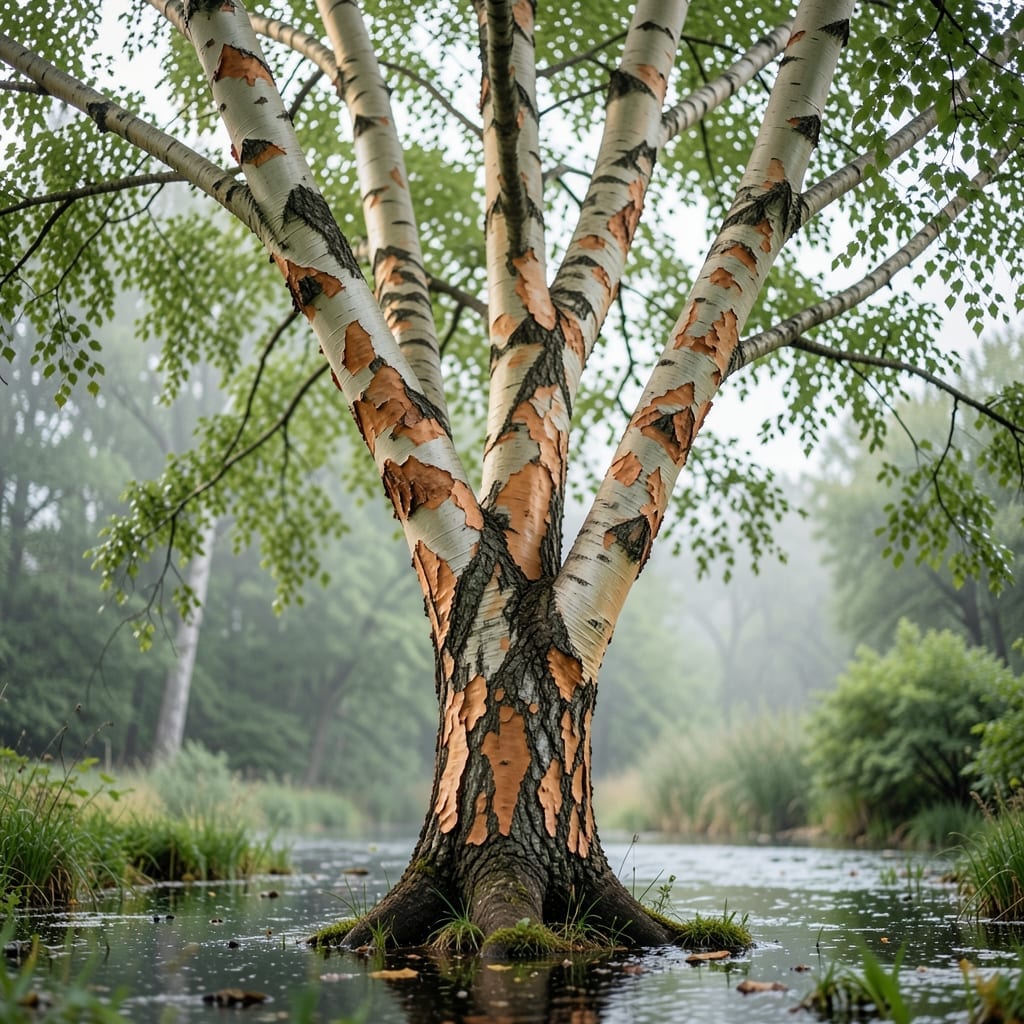
When other trees wilt in soggy soil, the river birch thrives. Its multi-trunked form and cinnamon-colored peeling bark create a stunning visual display that only improves with age.
This hardy tree resists pests that plague many others, making it a low-maintenance choice for urban landscapes and wet areas. It tolerates poor drainage and even clay soil, growing 40-70 feet tall with a 40-60 foot spread. The bark’s papery peel reveals fresh, colorful layers beneath year-round.
Perfect for gardeners seeking a resilient, beautiful tree that handles challenging conditions with ease. 🌿
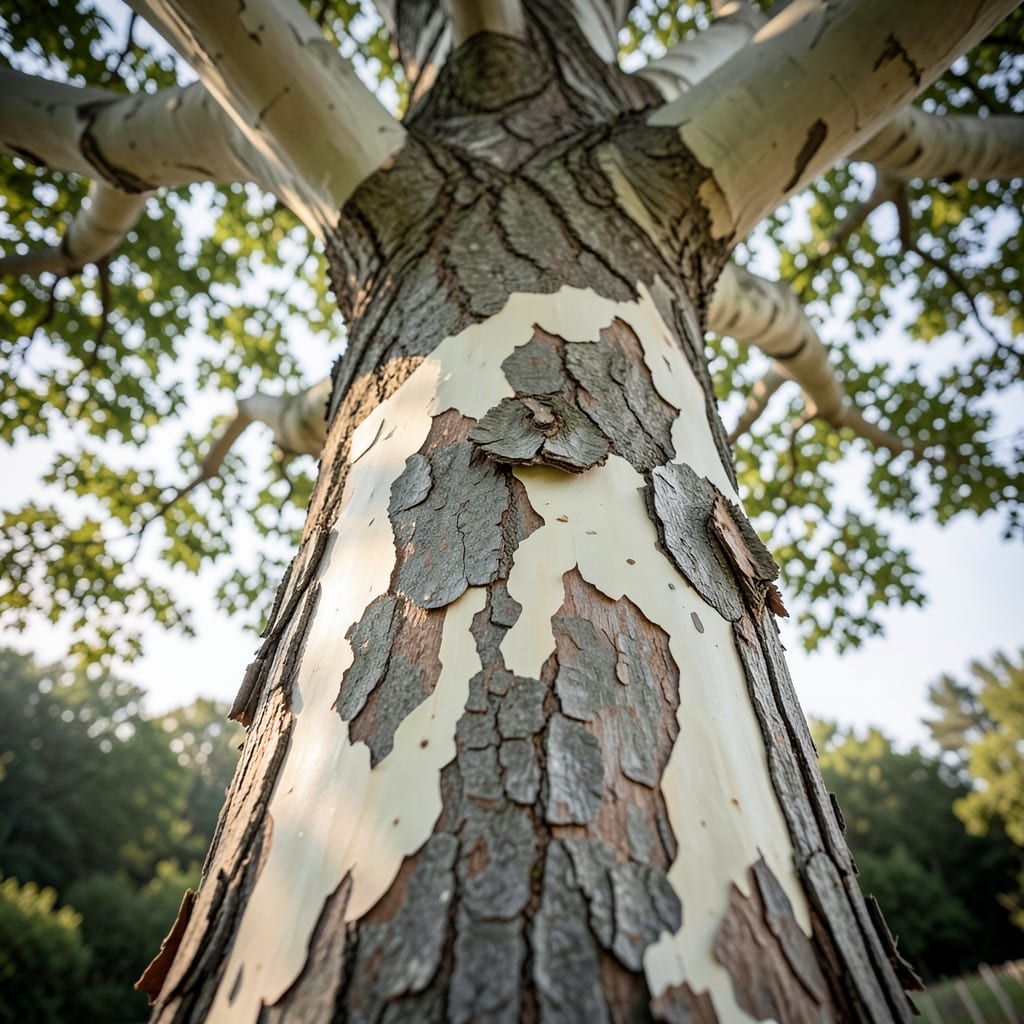
The towering sycamore tree turns heads with its distinctive, patchy bark that molts in large flakes, exposing smooth, ghostly white layers beneath. This dramatic exfoliation creates a living mosaic of gray, brown, and cream across its massive trunk.
Thriving in USDA zones 4-9, sycamores grow up to 100 feet tall, making them ideal for spacious properties. They provide ample shade and attract wildlife with their seed balls. Plant in full sun and moist, well-drained soil for best results.
Perfect for gardeners seeking a bold, architectural statement that supports local ecosystems year-round. 🌱
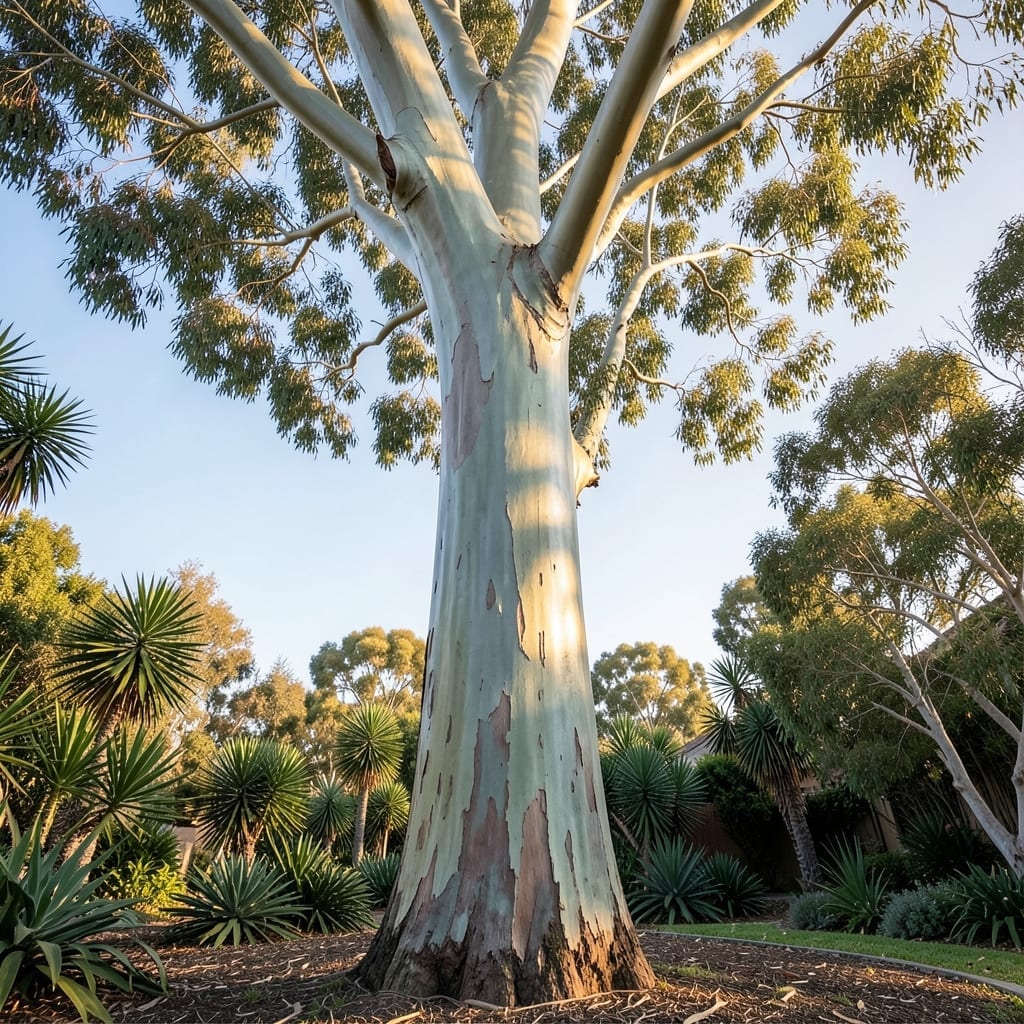
Bring the exotic beauty of Australia to your backyard with the eucalyptus tree. Its smooth, peeling bark reveals stunning shades of gray, green, and blue, creating a living art piece that evolves with the seasons.
This fast-growing tree thrives in warmer climates and attracts pollinators with its aromatic leaves. Plant it in well-draining soil and full sun for best results, and enjoy its rapid growth—some species can add 10 feet or more in a single year.
Perfect for gardeners who want a low-maintenance yet dramatic focal point that also supports local ecosystems. 🌿
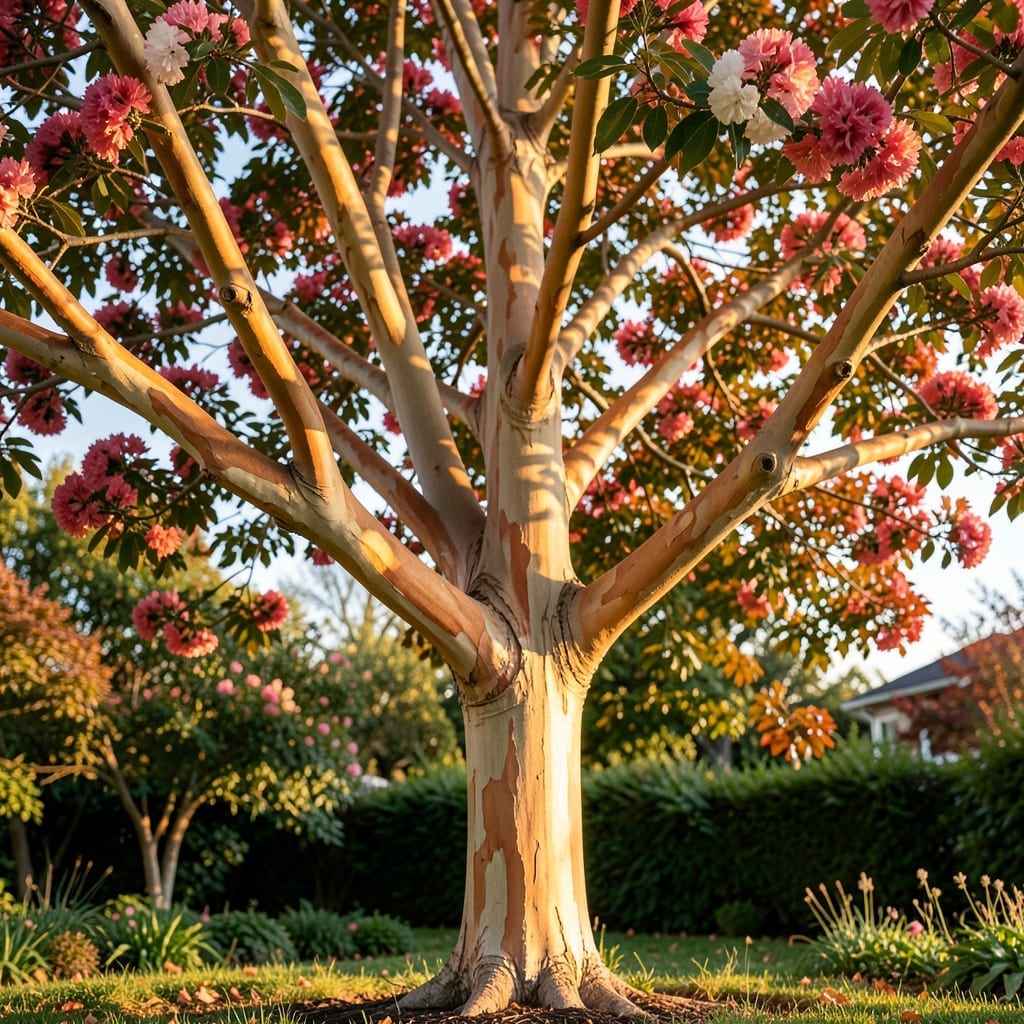
For gardeners who love year-round interest, the crape myrtle delivers beauty in every season. Its smooth, peeling bark in warm cinnamon and tan hues creates a striking visual even in winter.
In summer, this small ornamental tree bursts with vibrant blooms in pink, red, or white, while fall brings brilliant foliage in shades of orange and red. It thrives in full sun and well-drained soil, making it perfect for urban landscapes or small gardens.
Ideal for those who want a low-maintenance tree with multi-season appeal, the crape myrtle grows 10-25 feet tall and adapts well to heat and drought. 🌿
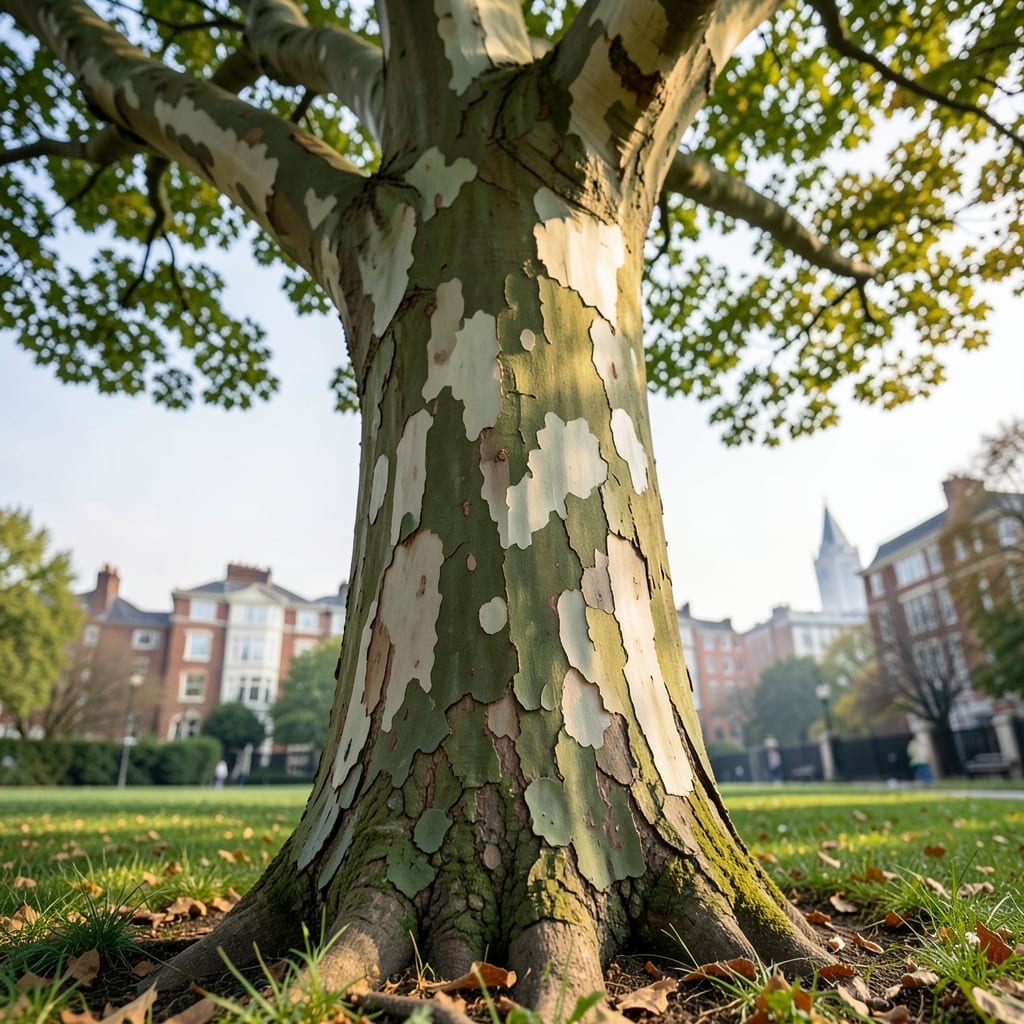
Tired of trees that wilt under city stress? The London Planetree thrives where others fail, making it a urban landscaper’s dream.
Its distinctive camouflage-like peeling bark in shades of green, white, and brown sheds naturally, while its hybrid vigor resists pollution, pests, and even compacted soil. This tree grows up to 70-100 feet tall with a broad canopy, providing ample shade for parks and wide city streets.
Perfect for urban gardeners or municipal planners who need low-maintenance, resilient trees that look stunning year-round. 🌿
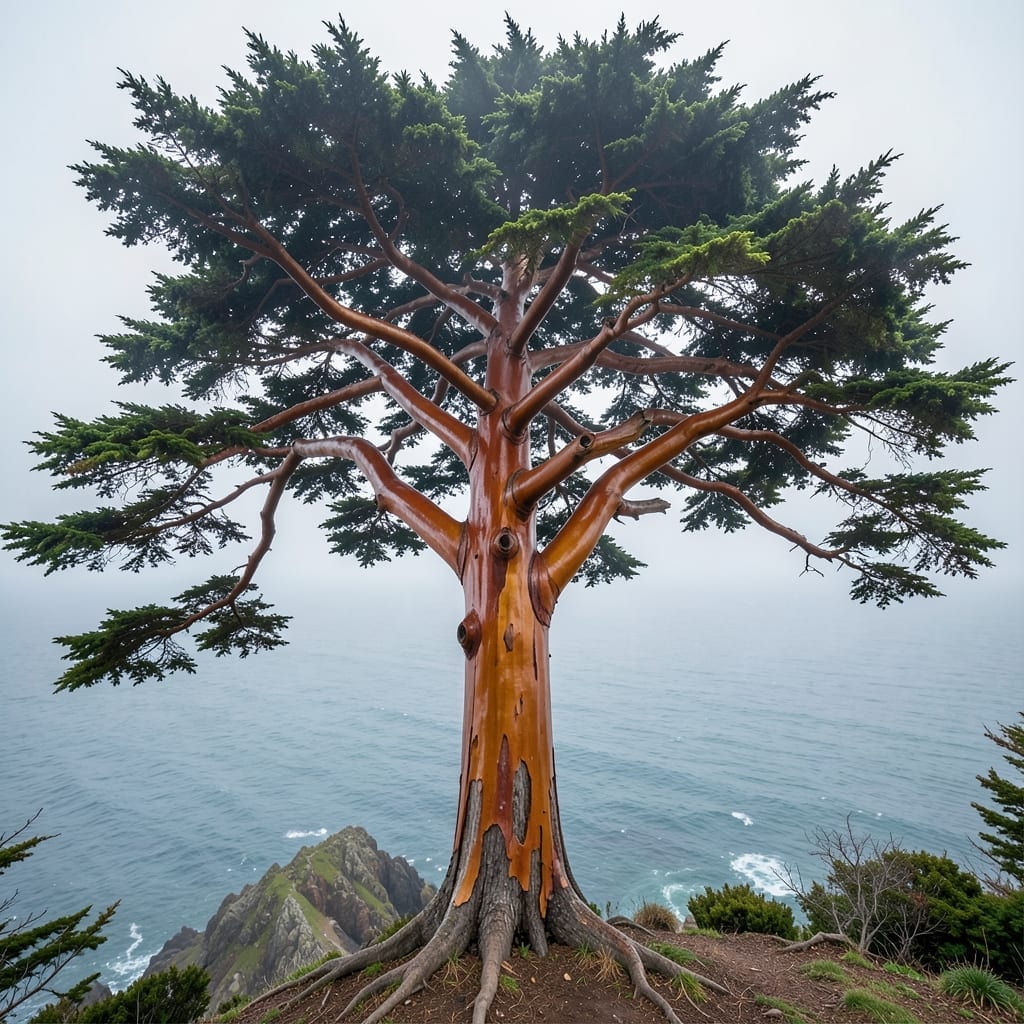
Bring a touch of Pacific Northwest charm to your landscape with the Madrona tree. Its striking glossy red peeling bark creates a sculptural focal point, while evergreen leaves provide year-round greenery.
This native beauty thrives in coastal conditions, tolerating salt spray and poor soils where other trees struggle. It attracts wildlife, offering berries for birds and shelter for small mammals. Plant it as a specimen tree or in naturalized groupings for maximum impact.
Ideal for gardeners seeking low-maintenance, wildlife-friendly trees that celebrate regional character. 🌿
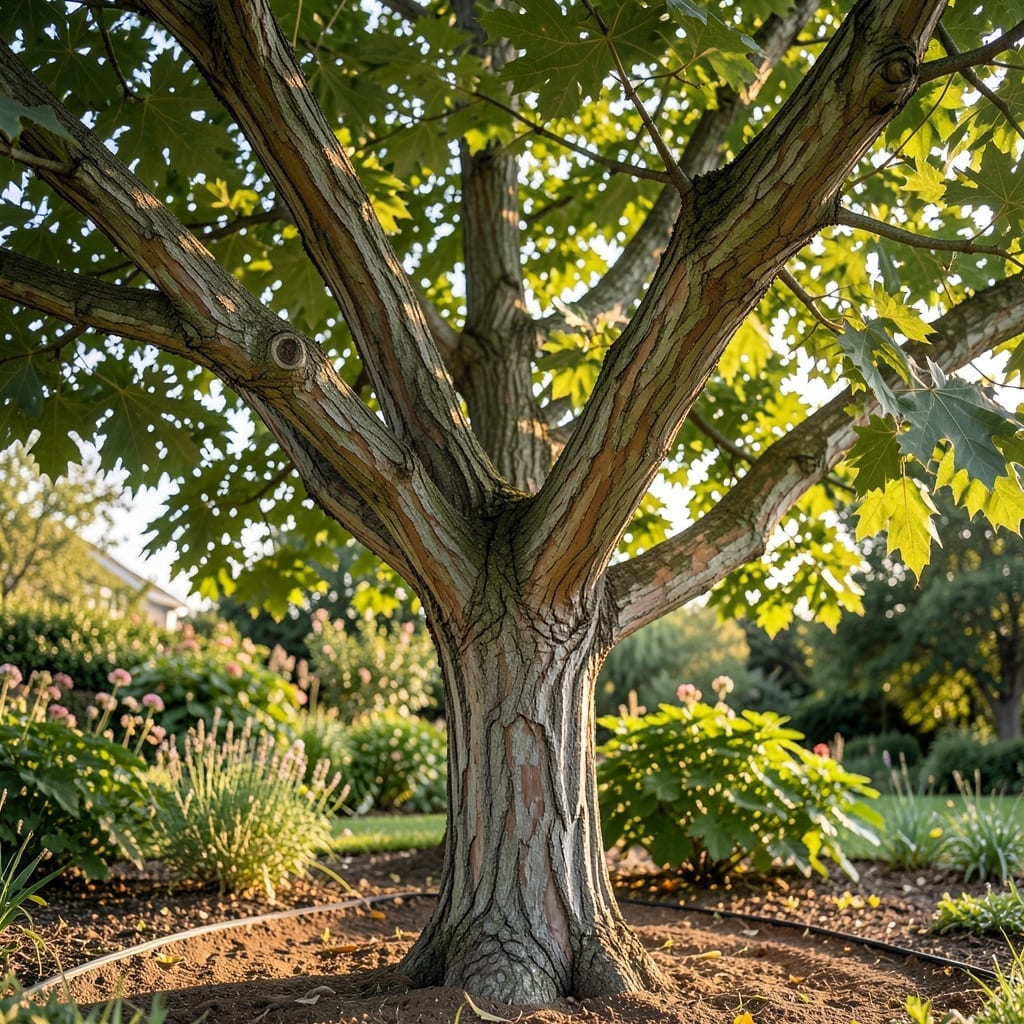
Want quick shade and year-round interest? The silver maple delivers both with its rapid growth rate and distinctive shaggy peeling bark that adds texture to any landscape.
This adaptable tree thrives in a wide range of soil types, from clay to loam, and its leaves feature silver undersides that create a stunning flash of color in early spring breezes. It’s perfect for gardeners who want fast results and minimal fuss.
Ideal for large yards or park settings, it provides ample shade while requiring little maintenance once established. 🌿
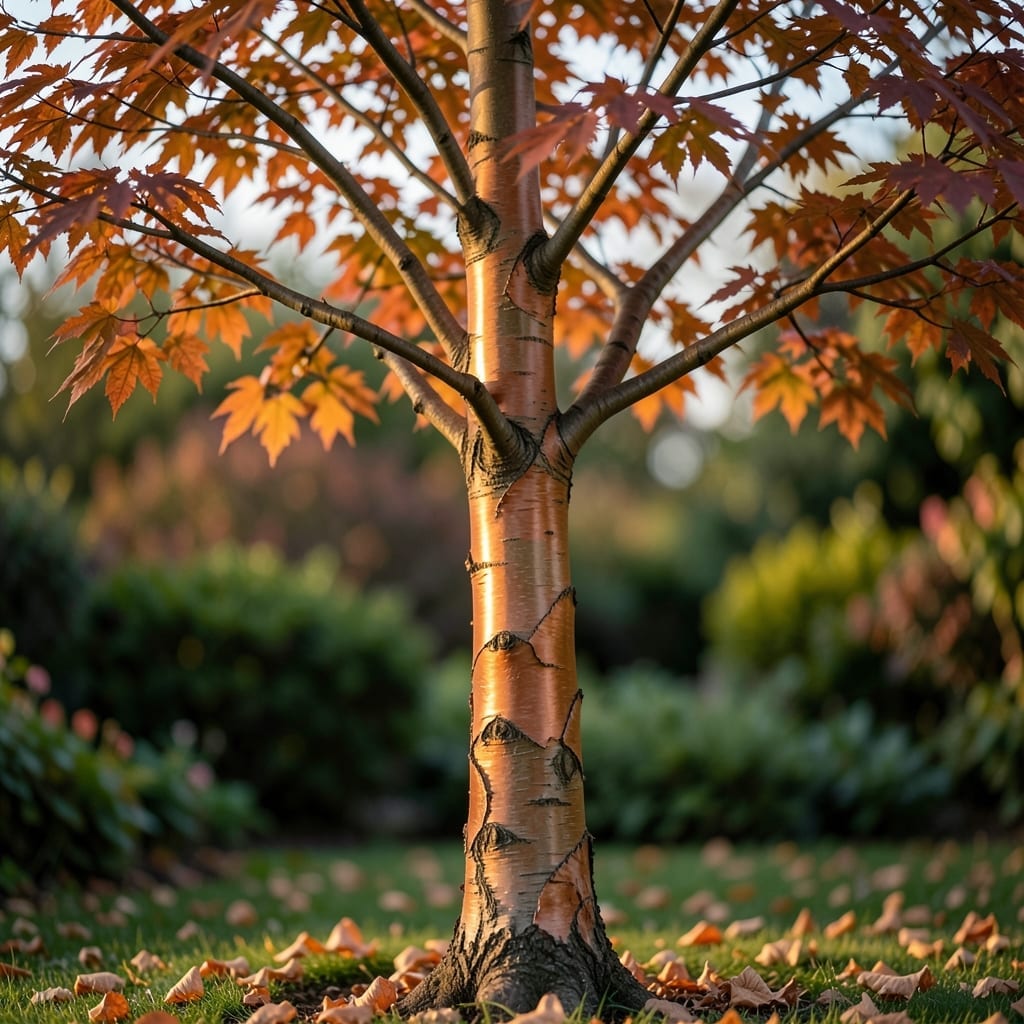
For small gardens needing a standout feature, the paperbark maple delivers year-round drama with its curly, cinnamon-colored peeling bark that reveals rich coppery hues beneath.
This slow-growing tree reaches just 20-30 feet tall, making it ideal for tight spaces. In autumn, its leaves burst into brilliant orange and red shades, creating a stunning contrast against the textured bark. It thrives in well-drained soil with partial to full sun.
Perfect for gardeners who want four-season interest without the sprawl of larger trees. 🌟
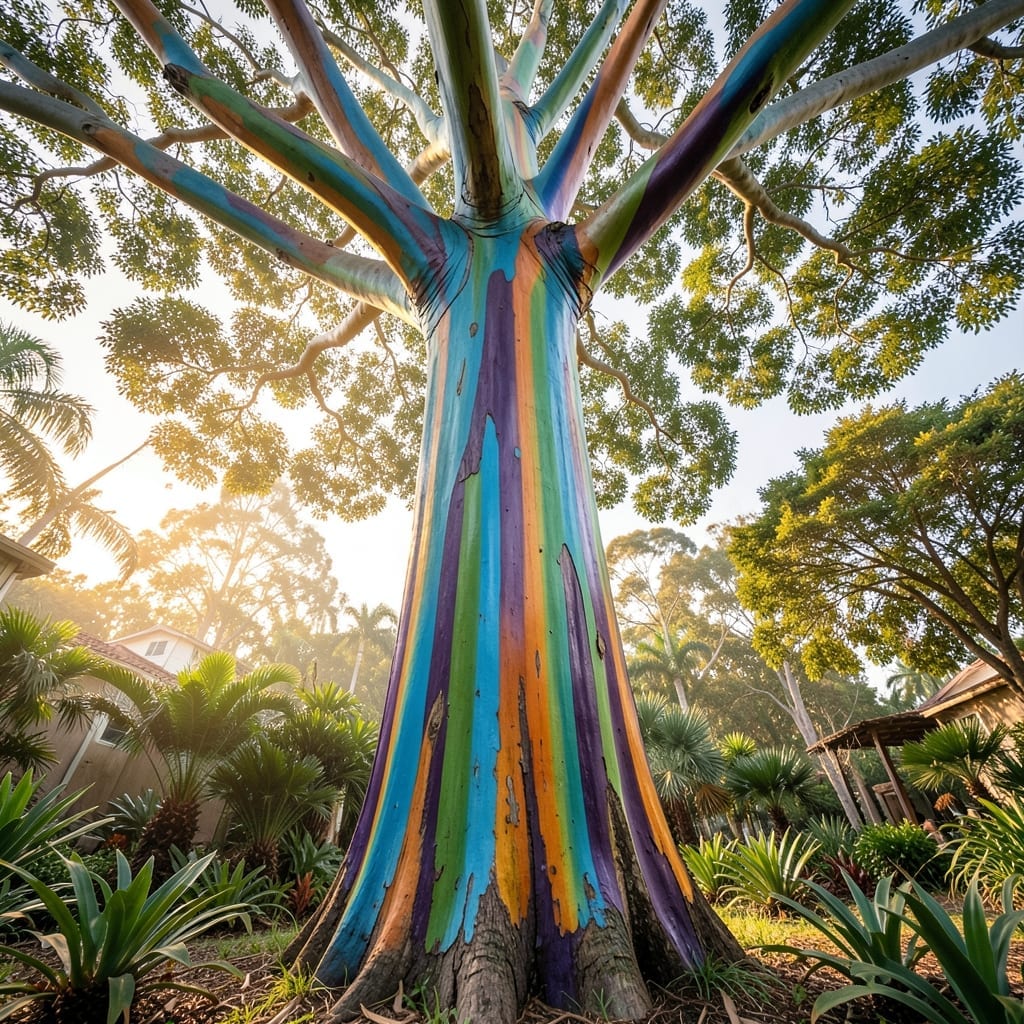
For a truly spectacular focal point, the rainbow eucalyptus delivers unmatched tropical drama. Its bark peels away in vibrant strips of blue, green, orange, and purple, creating a living work of art that changes as it grows.
This fast-growing tree thrives in USDA zones 10-11, requiring full sun and consistent moisture to maintain its stunning colors. It can reach 100 feet tall in its native habitat but stays smaller in cultivation. The peeling process occurs year-round, revealing fresh, colorful layers beneath.
Perfect for gardeners in warm climates who want a showstopping conversation piece that offers both beauty and shade. 🌿