
Beautiful Plants For Your Interior
Beautiful Plants For Your Interior
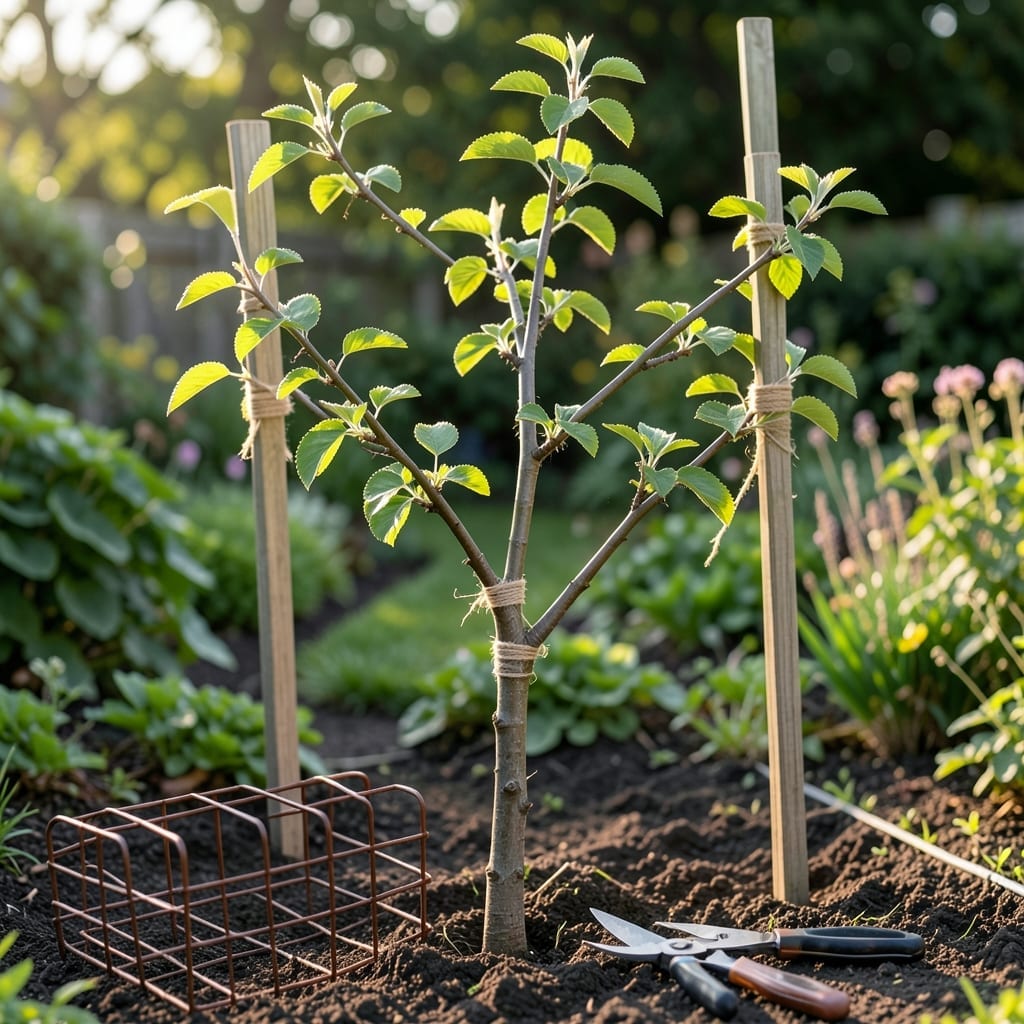
Transform your garden into a living sculpture with creative tree shaping techniques that blend art with nature. The 🌳 Tree becomes your canvas for stunning designs.
From elegant spirals to functional arches, these methods add personality to any outdoor space. Whether you’re a beginner or experienced gardener, there’s a shaping style for you.
I’ll show you how to turn ordinary trees into extraordinary focal points. These techniques work beautifully in Zone 6 gardens and beyond.
Discover the satisfaction of watching your vision take shape over time. Let’s explore how to make your garden truly unique.
I love how tree shaping turns ordinary plants into living art. Techniques like pleaching and topiary create stunning focal points in any garden. Each method has its own charm and purpose. ✂️
For beginners, espalier is a great start. It trains trees flat against walls, saving space while adding elegance. More advanced gardeners might try inosculating, which weaves branches together. 🌳
| Technique | Description | Best For |
|---|---|---|
| Pleaching | Weaving branches into a hedge | Hornbeam, Beech |
| Topiary | Pruning into decorative shapes | Boxwood, Yew |
| Espalier | Training flat against structures | Apple, Pear |
| Pollarding | Pruning to control size | Willow, Sycamore |
| Inosculating | Grafting branches together | Weeping varieties |
I find pleaching particularly rewarding. It creates a living fence that’s both functional and beautiful. The process involves interweaving branches from young trees. This works best with flexible species like hornbeam. 🌿
For topiary, I recommend starting with simple shapes. Boxwood is ideal because it grows slowly and holds its form. Use sharp shears for clean cuts.
Espalier is perfect for small gardens. I’ve trained apple trees against my garage wall. The key is to start young and use bamboo stakes for support. This method also improves fruit production. ☀️
Pollarding keeps large trees at manageable sizes. I use this technique on my willow tree every winter. It encourages dense growth and prevents the tree from becoming too tall.
Inosculating is the most artistic. I’ve seen amazing living chairs and tunnels created this way. It requires patience as you guide branches to fuse together naturally.
When choosing a technique, consider your tree’s growth habit. Fast-growing species like willow are great for dramatic shapes. Slower growers like boxwood are better for detailed work.
Remember, timing is crucial. Most shaping should be done during the dormant season. This reduces stress on the tree and gives you a clear view of its structure.
I always keep my pruning tools sharp and clean. This prevents damage and disease. A good pair of bypass pruners is my go-to for most shaping tasks.
I love how tree shaping projects can transform any garden into a living art piece. Whether you’re a beginner or a seasoned gardener, there’s a design to match your skill level and vision.
From simple spiral trunks to elaborate living tunnels, these projects let you express creativity while working with nature. The key is starting with young, flexible trees and using the right techniques.
For spiral trunks, I recommend using 1-2 year old saplings because their flexible stems are easier to shape. Secure them to a central stake and guide the growth in a circular pattern with ties.
A heart-shaped frame is perfect for a romantic garden nook. Use young, pliable trees like pussy willow or hazel. Bend the branches carefully and tie them gently to avoid damage.
If you’re ambitious, try a living fence or arched entryway. These require regular pruning and patient training, but the results are stunning conversation pieces that elevate your landscape.
Always use soft, stretchy ties to avoid girdling the tree as it grows, and check them every few months to adjust for thickness. With time and care, your tree shaping ideas will flourish beautifully ✂️