
Beautiful Plants For Your Interior
Beautiful Plants For Your Interior
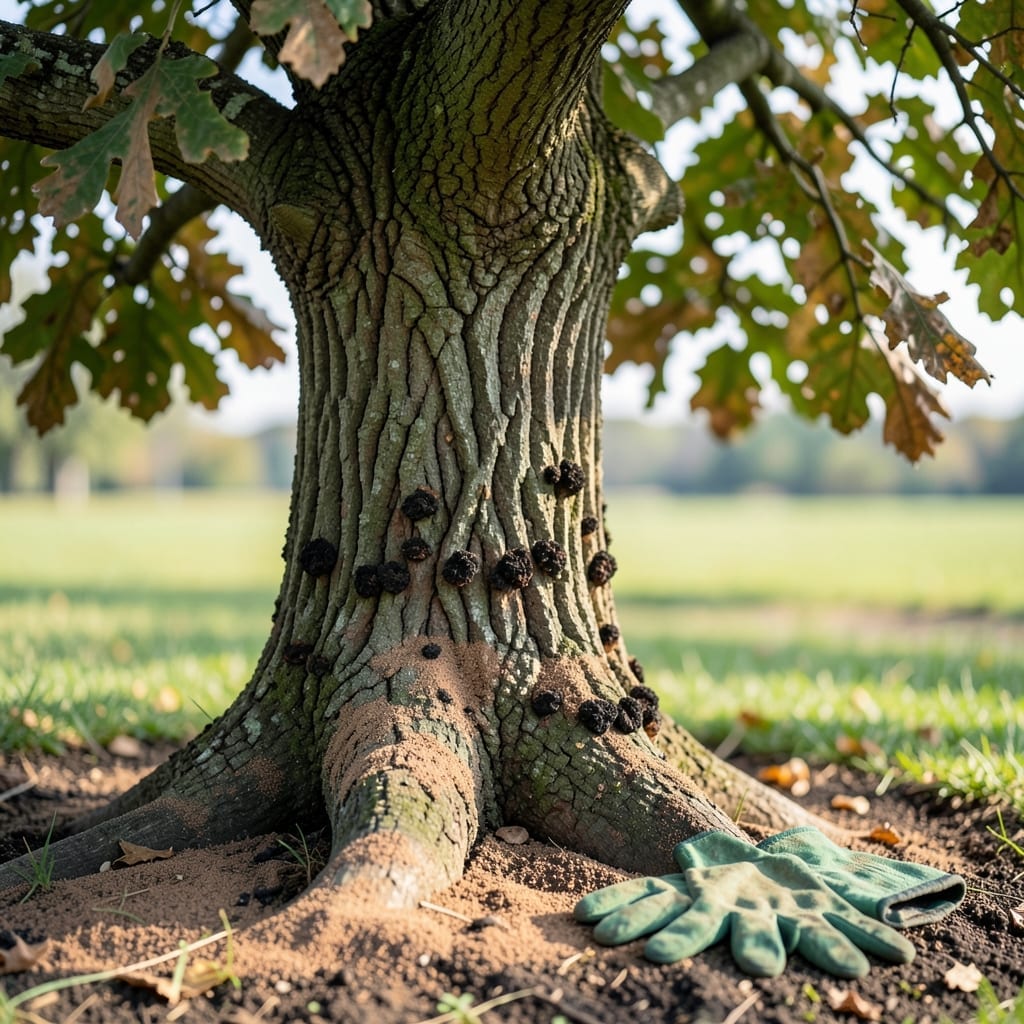
That brown, crumbly mess at your tree’s base isn’t just ugly—it’s a death sentence. I’ve lost two mature oaks to rot fungus, and the lesson stuck hard.
Catching it early makes all the difference. Look for mushrooms growing from the trunk, peeling bark, or sawdust-like piles near the roots. These visual clues often appear before the real damage starts.
Natural removal isn’t about harsh chemicals. It’s about precision—removing infected wood, improving drainage, and applying beneficial microbes that outcompete the fungus.
Your tree can recover if you act fast. The key is understanding which type you’re dealing with and targeting it specifically.
Tree rot fungus doesn’t appear out of thin air—it thrives when conditions are just right. Understanding the root causes helps you prevent and address the issue before it spreads. Here’s why it happens:
Fungi love damp environments. Overwatering, poor drainage, or prolonged rain can saturate the soil, creating a perfect breeding ground for rot-causing pathogens like Armillaria or Ganoderma. Trees with waterlogged roots struggle to absorb oxygen, weakening their defenses.
Dense canopies or crowded planting block airflow, trapping humidity around the trunk and branches. This stagnant moisture accelerates fungal growth, especially in species like oaks or maples. Pruning for better ventilation can reduce risk.
Physical damage—from pruning cuts, lawnmowers, or storms—creates entry points for spores. Even small bark tears can invite infection. Always sterilize tools and seal large wounds to minimize exposure.
Stressed trees (due to drought, nutrient deficiency, or pest infestations) lack the energy to fend off fungi. A robust tree can often compartmentalize decay, but a weakened one succumbs faster. Regular fertilization and proper care bolster natural resistance.
Fallen leaves, branches, or mulch piled against the trunk retain moisture and harbor spores. Keep the base of the tree clean and dry to discourage fungal growth.
Dealing with tree rot fungus requires quick action and preventive care. Below are practical solutions tailored to common causes, along with tips to keep your trees healthy long-term.
If water pools around the base, the roots suffocate and invite fungus. Fix it by:
💡 Prevention Tip: Plant trees in slightly elevated spots to avoid waterlogging.
Visible fungal growth (like mushrooms or conks) means the rot is active. Act fast:
💡 Prevention Tip: Disinfect pruning tools after every use to avoid cross-contamination.
Cracks or cuts in the bark are entry points for fungus. Heal the tree:
💡 Prevention Tip: Use tree guards to protect bark from lawnmowers, trimmers, or animal damage.
A stressed tree is more vulnerable. Strengthen it with:
💡 Prevention Tip: Plant native species—they’re naturally more resistant to local pests and diseases.
Look for mushrooms at the base, peeling bark, or sawdust-like piles near roots. Discolored leaves and oozing sap are also red flags.
No. Burn or seal infected wood in a bag—composting spreads spores. Always sterilize tools after handling.
Plant in well-draining soil, avoid overwatering, and keep mulch 6 inches from the trunk. Prune for airflow.
If the rot hasn’t reached the core, removing infected areas and improving care can help. Severe cases may require removal.