
Beautiful Plants For Your Interior
Beautiful Plants For Your Interior
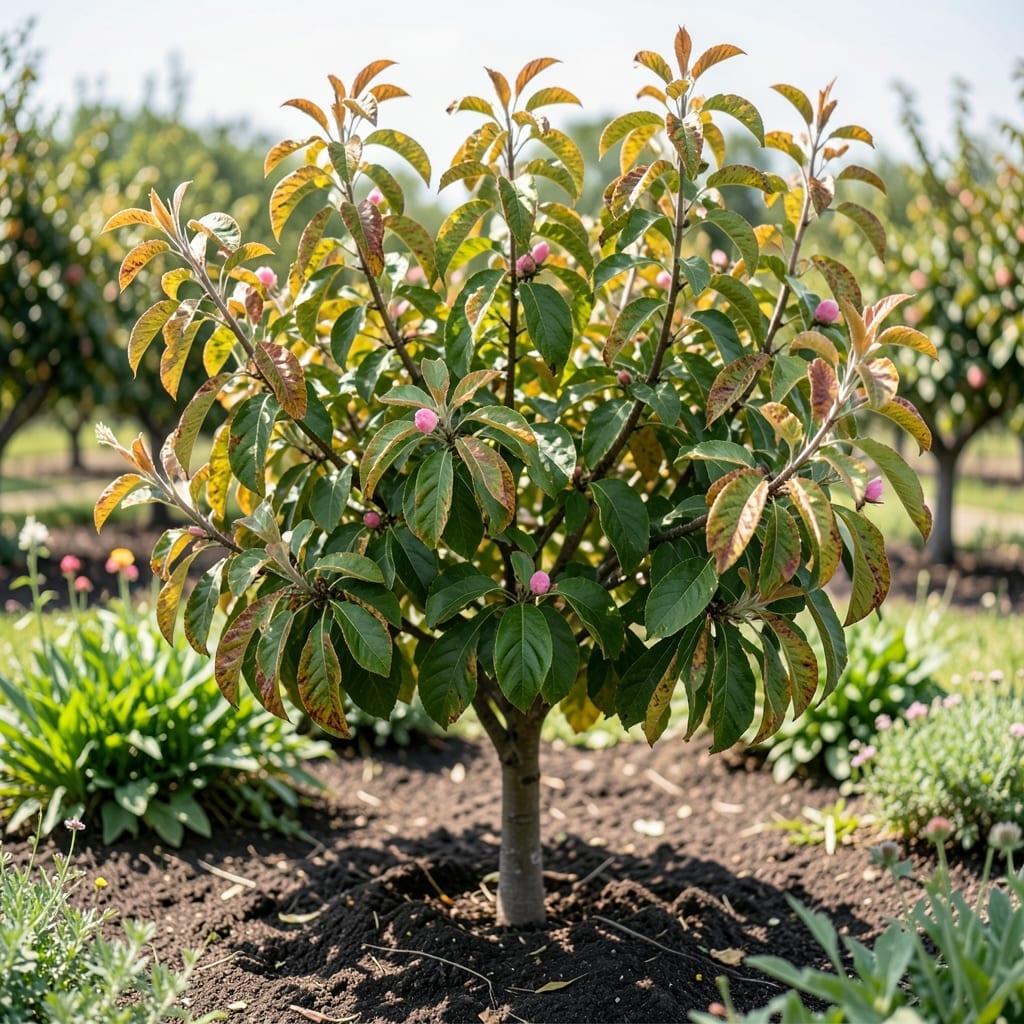
Curled leaves on your trees are trying to tell you something. I learned this the hard way after watching my maple struggle for two seasons before I cracked the code.
Most cases come down to three culprits: fungal infections, sap-sucking pests, or water stress. The good news is that each leaves distinct clues if you know where to look.
With the right approach, you can stop the damage and prevent it from returning next year. The solution often involves simple changes to your care routine.
No harsh chemicals needed—just observation and targeted organic treatments that work with nature, not against it.
Tree leaf curl is a distress signal, often triggered by environmental stress, pests, or disease. Understanding the root causes helps you address the issue effectively and restore your tree’s health.
Extreme temperatures, drought, or excessive moisture can cause leaves to curl as a survival mechanism. Heat stress prompts leaves to curl inward to reduce water loss, while overwatering or poor drainage can suffocate roots, leading to nutrient deficiencies that manifest as curled foliage.
Aphids, mites, and other sap-sucking pests weaken trees by draining essential fluids, causing leaves to distort and curl. Look for visible insects, sticky residue (honeydew), or fine webbing under leaves—all signs of an infestation that demands immediate action.
Pathogens like Peach Leaf Curl (Taphrina deformans) or bacterial blight disrupt cellular function, leading to twisted, curled leaves. These infections thrive in wet conditions and often require fungicidal treatments or resistant tree varieties to manage.
Herbicides, improper fertilizers, or air pollution can induce leaf curl by disrupting normal growth processes. Always follow application guidelines and avoid spraying chemicals on windy days to prevent drift onto vulnerable trees.
Identifying the cause early allows for targeted, organic solutions to restore vitality.
Leaf curl in trees often signals an underlying problem, but the good news is that many causes have straightforward solutions. Below are targeted fixes for the most common issues, paired with prevention tips to keep your trees thriving.
Fix: If heat or drought is causing leaf curl, deep water your tree at the base (not the leaves) early in the morning. Aim for 1–2 inches of water per week, depending on soil type. Mulch around the base to retain moisture.
Prevention: Install a drip irrigation system for consistent hydration. Choose native or drought-resistant tree species if your climate is prone to dry spells.
Fix: For aphids, mites, or scale insects, spray the leaves with a neem oil or insecticidal soap solution (follow package instructions). Remove heavily infested leaves and dispose of them in sealed bags.
Prevention: Encourage beneficial insects like ladybugs and lacewings by planting companion flowers. Inspect leaves regularly, especially the undersides, for early signs of pests.
Fix: Prune affected branches with sterilized shears (wipe with rubbing alcohol between cuts) to stop the spread. Apply a copper-based fungicide for fungal issues or a bacterial spray for infections like fire blight.
Prevention: Improve air circulation by spacing trees properly. Avoid overhead watering to keep foliage dry. Clean up fallen leaves and debris promptly.
Fix: Test your soil to identify missing nutrients. Amend with a balanced fertilizer or organic matter like compost. For iron deficiency (common in acidic soils), apply chelated iron.
Prevention: Feed trees annually in early spring with a slow-release fertilizer. Rotate nutrient sources to avoid imbalances.
💡 Pro Tip: Always sterilize tools and avoid working with trees when foliage is wet to prevent spreading diseases. Healthy trees start with consistent care!
Look for sticky residue or fine webbing under the leaves. Aphids and mites often leave these signs. Check leaf undersides with a magnifying glass for tiny insects.
Not always, but it’s a common cause. Overwatering suffocates roots, leading to poor nutrient uptake. Ensure your soil drains well and adjust watering based on weather conditions.
Mild cases from temporary stress may resolve with proper care. Persistent curl usually indicates pests, disease, or ongoing stress that needs intervention. Act quickly for best results.
Yes, a baking soda solution (1 tablespoon per gallon of water) can help. Apply weekly until symptoms improve. For severe cases, consider organic fungicides.