
Beautiful Plants For Your Interior
Beautiful Plants For Your Interior
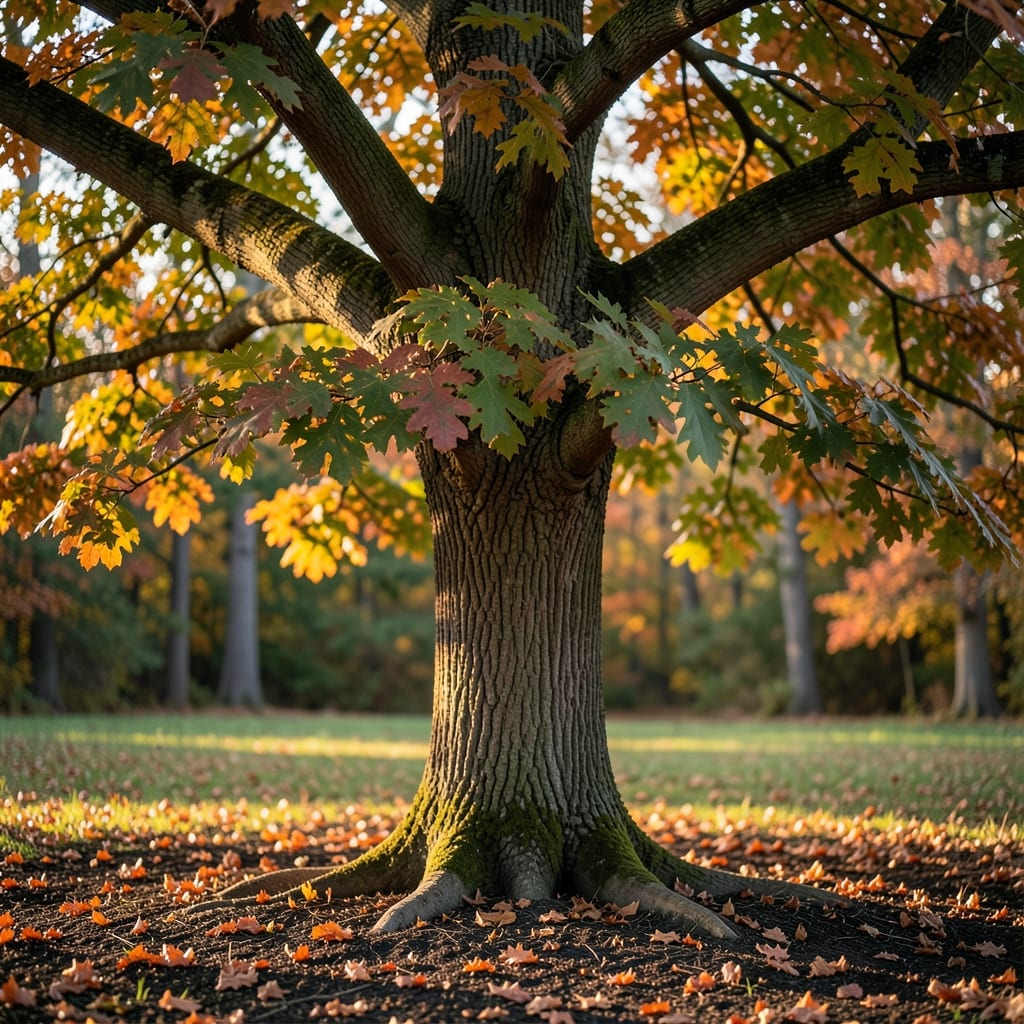
That moment when your tree starts shedding leaves out of season hits different. I’ve stood under my oak in July, watching the ground turn gold, and known something wasn’t right.
Seasonal change is normal, but early leaf drop often signals stress—water issues, pests, or disease. The good news? Most causes are fixable once you spot the real problem.
📚 In This Guide
Here’s how I assess whether leaf drop is normal or a warning sign for your tree.
First, consider the time of year. Deciduous trees like maples and oaks naturally shed leaves in fall, turning vibrant colors before dropping. Evergreens, such as pines and spruces, should retain most needles year-round, though some inner needle drop is normal.
If it’s spring or summer and your deciduous tree is losing leaves, that’s unusual. I always note the tree species—some, like ginkgo or tulip trees, drop leaves all at once, while others like elms may lose them gradually over 2-3 weeks.
Look closely at the fallen leaves. If they’re green and healthy, sudden leaf drop often signals stress from overwatering, compacted soil, or a recent transplant. Brown, crispy leaves usually indicate underwatering or drought conditions.
Inspect the remaining foliage and branches. Yellowing between leaf veins often points to nutrient deficiencies, while blackened or spotted leaves suggest fungal infections. I always check for cankers or oozing sap on branches—these are red flags for disease.
Check for recent changes in the tree’s environment. Construction nearby can damage roots, leading to leaf drop within 4-8 weeks. Herbicide drift from lawn treatments often causes twisted or cupped leaves before they fall.
Extreme weather plays a role too. A late spring frost can damage new growth, causing leaves to blacken and drop. Prolonged drought makes trees shed leaves to conserve water. I’ve seen trees recover from light stress, but severe cases often require intervention.
Gently dig around the base to check root health. Mushy or dark roots indicate rot from overwatering, while dry, brittle roots suggest underwatering. Healthy roots should be white or tan and firm to the touch.
Test soil moisture by digging 6-8 inches deep. If the soil is bone dry, the tree needs water. If it’s soggy, improve drainage. Compacted soil restricts root growth—I use a soil test to check for poor drainage or nutrient imbalances.
Track the pattern of leaf drop over 1-2 weeks. Natural shedding is gradual and uniform across the tree. Stress-related drop often starts in one section or affects certain branches first.
Compare with nearby trees of the same species. If others are also dropping leaves, it might be seasonal or environmental. If yours is the only one affected, the issue is likely localized. I take photos weekly to document changes—it helps identify patterns you might miss day-to-day.
Here’s what I’ve learned from diagnosing countless trees with similar issues.
Seasonal Awareness: Remember that deciduous trees naturally shed leaves in fall, but any leaf drop in spring or summer is a red flag. I always double-check the tree type first—ginkgo and tulip trees drop all at once, while elms may take 2-3 weeks to shed gradually.
Leaf Inspection: Green, healthy fallen leaves often indicate stress from overwatering or transplant shock. Brown, crispy leaves usually mean underwatering. In Step 2, pay special attention to yellowing between leaf veins, which signals nutrient deficiencies that many people overlook.
Root Zone Check: When assessing roots as described in Step 4, dig down 6-8 inches to test soil moisture. Healthy roots should be white or tan and firm—mushy or dark roots mean rot, while dry, brittle roots indicate underwatering. This simple check can save you from misdiagnosing the problem.
Monitoring Strategy: As mentioned in Step 5, tracking leaf drop over 1-2 weeks reveals patterns. Natural shedding is uniform, while stress-related drop often starts in one section. I recommend taking weekly photos to compare changes—it’s surprising how much this helps spot issues early.
Sudden leaf drop in summer often signals stress from drought, pests, or disease. Check soil moisture, inspect for pests, and ensure proper drainage to address the issue.
Yes! Healthy trees often regrow leaves after shedding due to seasonal changes or temporary stress. However, persistent leaf loss may indicate serious problems—consult an arborist if it doesn’t recover.
Dead trees have brittle, dry branches and no new growth. Seasonal shedding is normal, but if leaves drop outside the usual season or accompanied by bark peeling, it may signal decline.
Inspect for pests, diseases, or environmental stressors like drought or poor soil. Adjust watering, fertilize if needed, and prune dead branches to support recovery.