
Beautiful Plants For Your Interior
Beautiful Plants For Your Interior
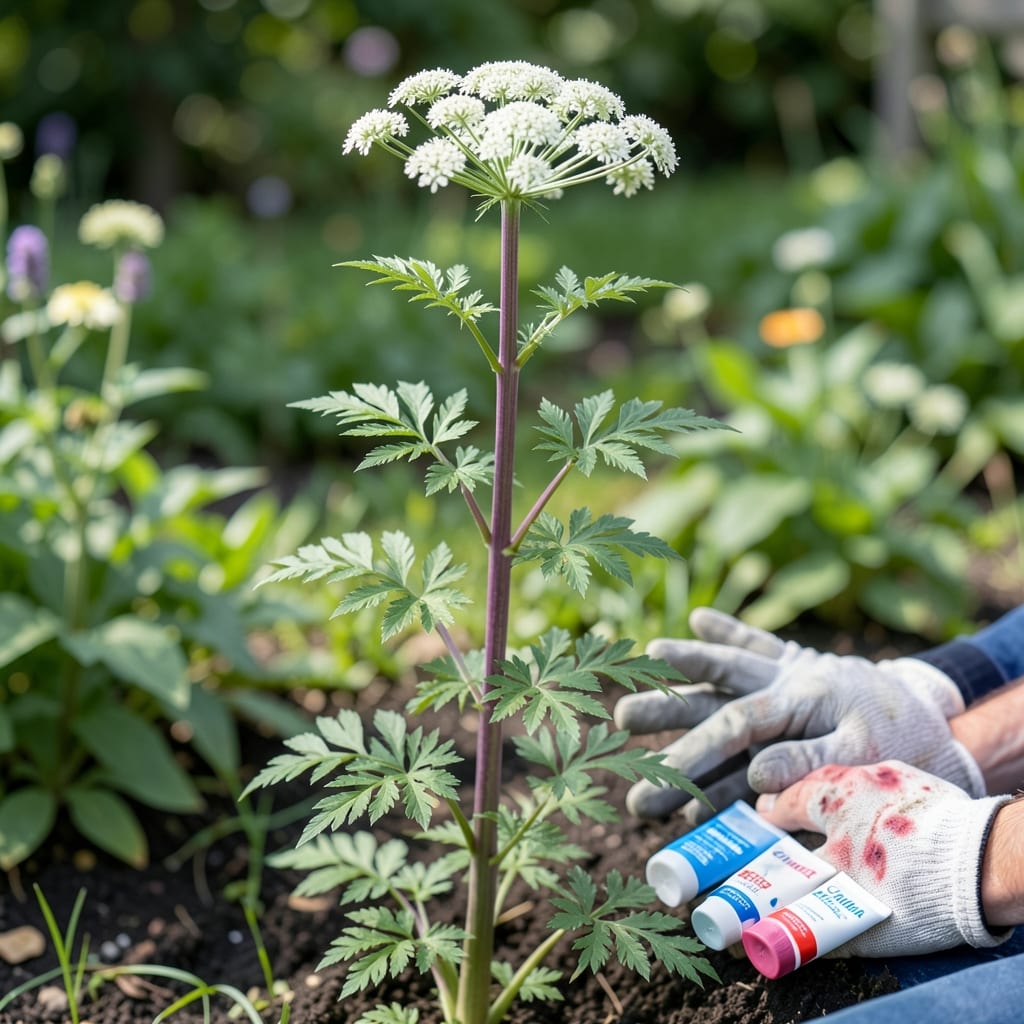
I’ve learned the hard way that poison hemlock isn’t just a plant to avoid—it’s one you need to recognize instantly. The rash it causes can turn a peaceful garden walk into an itchy nightmare.
This reaction happens when the plant’s toxic sap touches your skin. It’s not just uncomfortable; it can spread quickly if you don’t act fast. I always keep soap and water nearby when working in areas where hemlock grows.
Washing the affected area immediately with soap and cool water is your first line of defense. If the rash worsens or you feel dizzy, seek medical help without delay—this isn’t something to tough out.
Prevention is simple: wear long sleeves, gloves, and avoid touching your face while gardening. Know what poison hemlock looks like, and steer clear.
Poison hemlock (Conium maculatum) triggers skin reactions due to its toxic compounds. Understanding the causes helps you avoid exposure and act quickly if a rash appears.
The primary culprits are coniine and γ-coniceine, potent alkaloids in poison hemlock’s sap, leaves, stems, and roots. When these chemicals contact skin, they disrupt cell membranes, causing irritation, redness, and blistering. Even brief contact can lead to a rash within 24–48 hours.
Brushing against the plant or handling it without gloves allows the alkaloids to penetrate your skin. Gardeners, hikers, and foragers are especially at risk. The rash often appears in streaks or patches where the plant touched the skin.
Cutting or crushing poison hemlock releases microscopic particles into the air. Inhaling these or having them land on exposed skin can trigger a reaction, similar to direct contact. This is why wearing long sleeves and a mask is critical when removing the plant.
Touching tools, clothing, or pets that have contacted poison hemlock can transfer the alkaloids to your skin. Always wash hands and change clothes after potential exposure to minimize this risk.
If you’ve come into contact with poison hemlock and developed a rash, quick action can ease discomfort and prevent further irritation. Here’s how to address the issue step by step, along with prevention tips to keep it from happening again.
Wash the affected area immediately with mild soap and cool water to remove any lingering plant oils. Avoid hot water, as it can open pores and drive the irritants deeper into the skin. Pat dry gently—no rubbing!
Apply a cool compress or calamine lotion to reduce itching and inflammation. Over-the-counter hydrocortisone cream can also help calm the skin. For severe reactions, an oral antihistamine may provide relief.
Wear long sleeves, pants, and gloves when working in areas where poison hemlock grows. Learn to identify the plant (tall, with smooth purple-spotted stems and small white flowers) and avoid touching it. If you suspect exposure, wash hands and change clothes right away.
Pro tip 💡: If the rash spreads, blisters, or causes difficulty breathing, seek medical attention immediately—this could signal a severe allergic reaction.
Mild cases typically clear within 7-10 days with proper care. Severe reactions may persist for 2-3 weeks. Keep the area clean and moisturized to speed healing.
Oatmeal baths or baking soda paste can soothe mild itching. Avoid vinegar or alcohol, as these can worsen irritation. Always test on a small area first.
Seek medical help if the rash spreads, becomes painful, or shows signs of infection. Difficulty breathing or swelling requires emergency care immediately.
Wash all clothing and tools that contacted the plant. Avoid scratching, as this can spread the irritants. Use separate towels to prevent cross-contamination.