
Beautiful Plants For Your Interior
Beautiful Plants For Your Interior
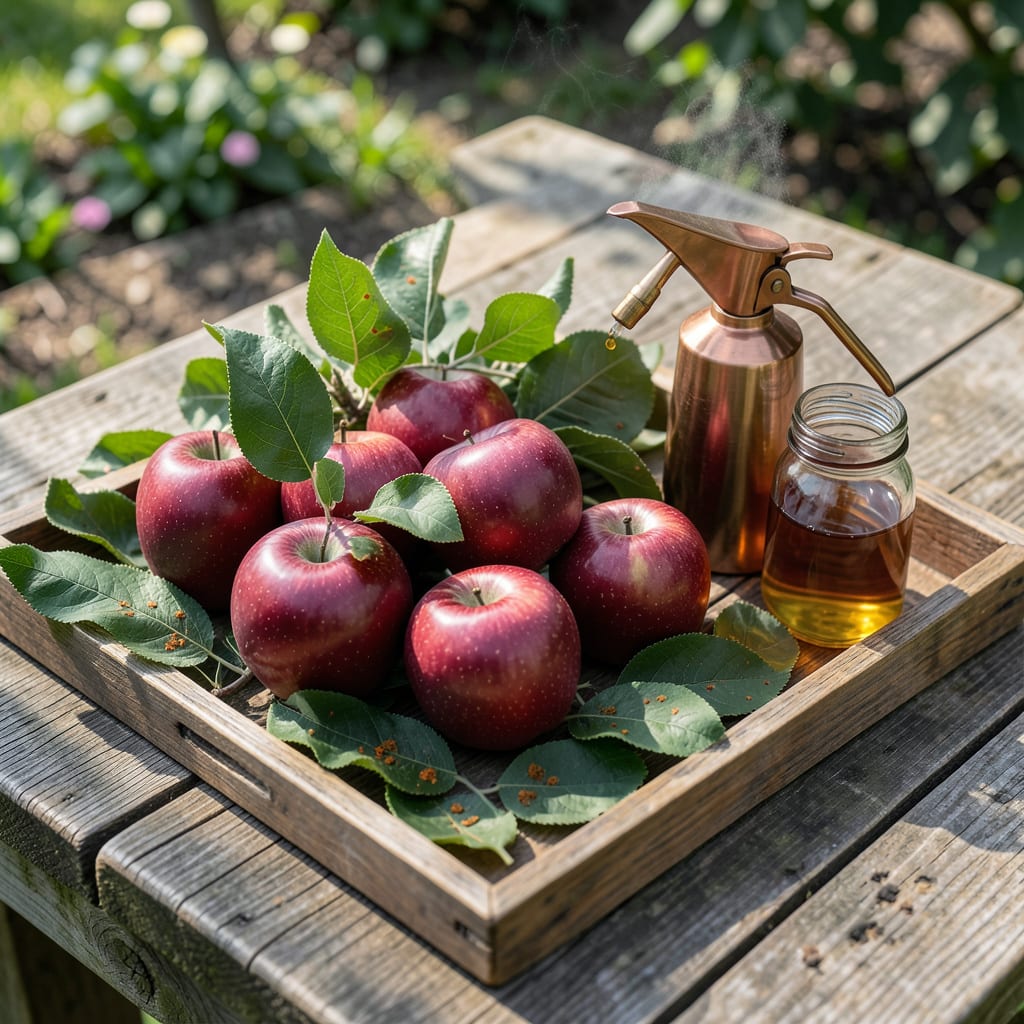
Those orange jelly-like blobs on your apple tree leaves aren’t pretty. Cedar rust spreads fast between junipers and apples, but I’ve stopped it cold with simple organic methods.
First year I lost half my harvest to this fungus. The key is catching it early—yellow spots on leaves, twisted growth—before the galls form and burst. Timing matters more than products.
With consistent treatment, you’ll see healthier foliage within weeks and full recovery by next season. The same approach works for crabapples and ornamental varieties too.
No harsh chemicals needed. Just smart cultural practices and a few natural sprays. Here’s what actually works.
Cedar rust, a common fungal disease affecting apple trees, is primarily caused by the pathogen Gymnosporangium juniperi-virginianae. This fungus has a complex life cycle that involves two hosts: cedar trees (particularly Eastern red cedar) and apple trees. Understanding why it happens is key to prevention and control.
The fungus requires both cedar and apple trees to complete its life cycle. It overwinters on cedar trees, producing spores that are carried by wind to apple trees in spring. Without nearby cedar hosts, the disease cannot thrive. This is why cedar rust is more prevalent in areas where both tree types grow in close proximity.
Wet, spring conditions create the perfect environment for spores to release from cedar trees. These spores travel via wind to susceptible apple trees, infecting leaves, fruit, and even twigs. Warm temperatures (55–75°F) and moisture accelerate spore germination, making early spring a critical time for infection.
Not all apple trees are equally vulnerable. Varieties like Jonathan, Golden Delicious, and McIntosh are highly susceptible, while others (e.g., Liberty or Freedom) have genetic resistance. Planting resistant cultivars can significantly reduce the risk of cedar rust.
Prolonged leaf wetness (from rain, dew, or irrigation) provides the moisture needed for spores to infect apple tissues. Poor air circulation in dense orchards or humid climates further exacerbates the problem by slowing drying time.
By addressing these root causes—removing nearby cedar hosts, improving airflow, and selecting resistant varieties—you can break the fungus’s life cycle and protect your apple trees.
Cedar rust doesn’t have to spell doom for your apple trees. With the right approach, you can manage the fungus and restore your tree’s health. Below are targeted solutions for each cause, along with prevention tips to keep your orchard thriving.
If juniper or red cedar trees are growing within a 5-mile radius, they may be the fungal source. While removing them entirely is ideal, pruning out the infected branches (look for orange, gelatinous galls) can significantly reduce spore production. Tip: 💡 Coordinate with neighbors if the hosts are on their property—teamwork prevents outbreaks!
At the first sign of cedar rust (yellow-orange spots on leaves or fruit), prune and destroy the affected branches, leaves, and fruit. Disinfect your pruning shears between cuts with rubbing alcohol to avoid spreading spores. Burn or bag the debris—do not compost, as the fungus can survive.
For active infections, spray copper-based fungicides (like Bordeaux mixture) or neem oil at 7–10 day intervals starting in early spring. Pro tip: ✨ Apply in the morning to allow foliage to dry and reduce the risk of phytotoxicity. Always follow label instructions for dilution and safety.
Healthy trees fend off disease better. Improve airflow by thinning branches, water at the base (not overhead) to keep foliage dry, and fertilize with compost or balanced organic amendments. Choose rust-resistant apple varieties like ‘Liberty’ or ‘Enterprise’ for future plantings.
Prevention is key: Monitor trees weekly in spring, remove fallen leaves/debris in autumn, and maintain a clean orchard floor to disrupt the fungus’s life cycle.
Apply organic fungicides like copper or neem oil every 7-10 days during spring. Start before symptoms appear and continue through wet weather.
Yes, but act fast. Remove all infected parts, then apply fungicide. Severely damaged trees may need 2-3 seasons to recover fully.
Spray in the early morning when leaves are dry. This allows foliage to absorb treatment before heat or rain.
Yes! Try Liberty, Freedom, or Enterprise varieties. These resist cedar rust better than common types like Jonathan.
