
Beautiful Plants For Your Interior
Beautiful Plants For Your Interior
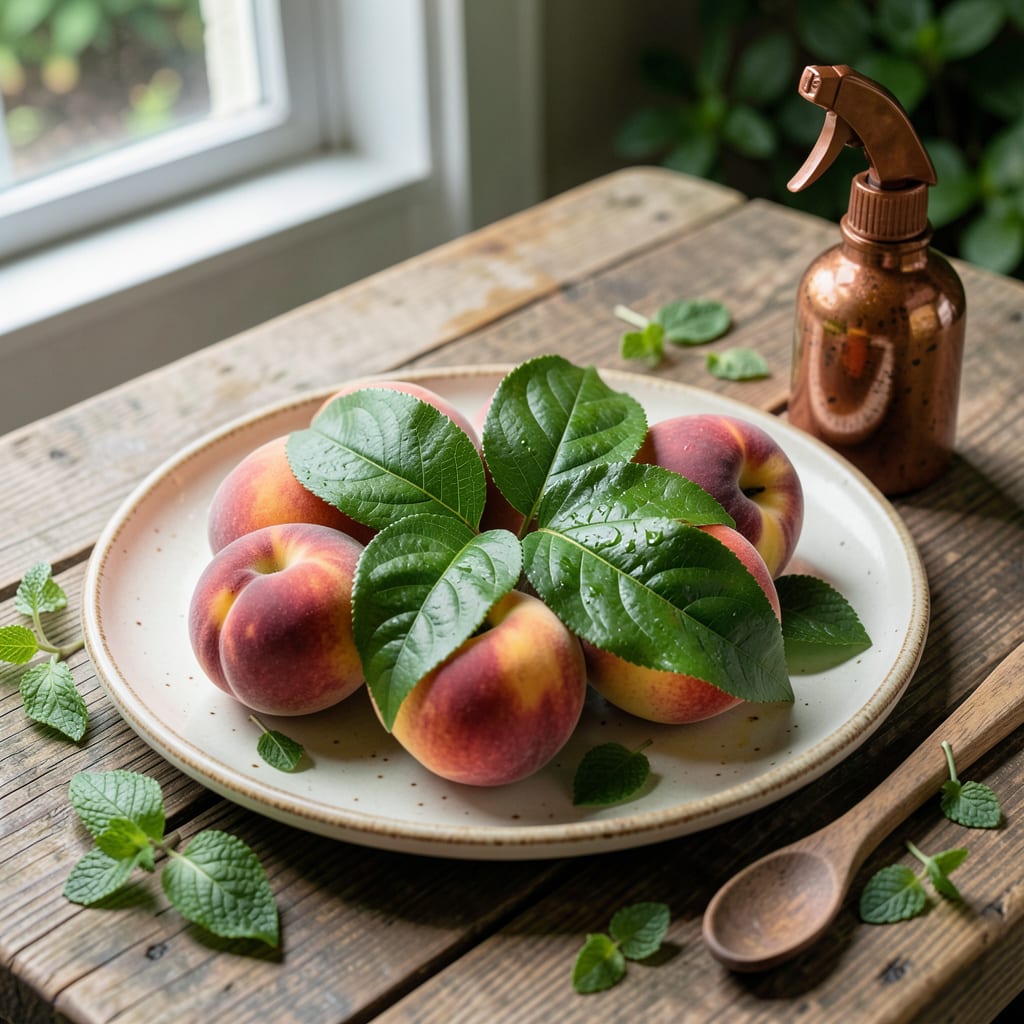
Red, puckered leaves in spring mean peach leaf curl has arrived. I lost my first peach crop to this before learning the timing is everything.
This fungal disease thrives in cool, wet conditions, but a simple copper spray at exactly the right moment stops it cold. Organic options work just as well as chemicals if you stay ahead of it.
You’ll see healthy green growth returning within weeks once the treatment takes hold. The key is catching it before buds break dormancy.
Works for established trees and new plantings alike. Here’s the exact schedule that saved my orchard.
Peach leaf curl is a common and frustrating disease that affects peach and nectarine trees, but understanding its root causes is the first step toward prevention and treatment. This condition is primarily driven by a fungal pathogen, though environmental factors can worsen its impact.
The main culprit behind peach leaf curl is the fungus Taphrina deformans. This pathogen overwinters in the bark, buds, and fallen leaves of infected trees. When warm, wet conditions arise in early spring—typically during bud break—the fungus becomes active. It infects emerging leaves, causing them to thicken, pucker, and curl into distorted shapes. The fungus thrives in moisture, making rainy or humid springs a prime time for outbreaks.
While the fungus is always the direct cause, environmental factors play a huge role in its spread. Cool, wet weather (temperatures between 50–70°F with high humidity) creates the perfect breeding ground for Taphrina deformans. Trees in areas with poor air circulation or excessive overhead irrigation are especially vulnerable, as prolonged leaf wetness accelerates infection.
Not all peach trees are equally at risk. Some varieties, particularly those with early blooming habits or thinner canopies, are more susceptible to infection. Young trees and those already stressed by drought, poor soil, or improper pruning are also more likely to develop severe symptoms. Weak trees have lower resistance, allowing the fungus to take hold more easily.
Peach leaf curl is manageable with the right approach. Here’s how to tackle it based on the cause:
If Taphrina deformans is the culprit, act fast. Remove and destroy infected leaves and shoots to prevent the fungus from spreading. Apply a copper-based fungicide in late winter or early spring before buds swell. For organic options, use baking soda spray (1 tablespoon baking soda, 1 teaspoon dish soap, 1 gallon water) every 7–10 days during wet weather. Reapply after rain.
Prevention tip: 💡 Prune trees in dry weather to allow airflow, and avoid overhead watering to reduce moisture on leaves.
Dense canopies trap humidity, creating a fungal playground. Thin out branches in the center of the tree to improve airflow. Space peach trees at least 10–15 feet apart when planting. Regularly remove suckers and water sprouts to keep the tree open and airy.
Prevention tip: 🎯 Plant in a sunny location and prune annually to maintain an open structure.
Excess moisture fuels fungal growth. Adjust your watering schedule to keep the soil moist but not soggy. Water at the base of the tree in the morning so leaves dry quickly. If your area has high humidity, consider using a drip irrigation system to avoid wetting the foliage.
Prevention tip: ✨ Mulch around the base (but not touching the trunk) to retain soil moisture while keeping leaves dry.
A healthy tree resists disease better. Boost your peach tree’s vigor with balanced fertilization in early spring. Use a low-nitrogen fertilizer (like 5-10-10) to avoid excessive leafy growth, which is more susceptible to curl. Ensure the tree gets 6–8 hours of sunlight daily and address any nutrient deficiencies.
Prevention tip: 🌡️ Test soil pH annually—peach trees thrive in slightly acidic soil (6.0–6.5). Amend as needed.
Apply copper fungicide in late winter before buds begin to swell, typically 4-6 weeks before bloom. This timing is crucial as it prevents the fungus from infecting new growth.
A baking soda spray (1 tbsp baking soda, 1 tsp dish soap, 1 gallon water) works well as an organic option. Apply every 7-10 days during wet weather and after rain.
Fungal spores overwinter in bark and fallen leaves. Remove and destroy all infected plant material in fall, and improve air circulation by pruning. This breaks the disease cycle.
