
Beautiful Plants For Your Interior
Beautiful Plants For Your Interior
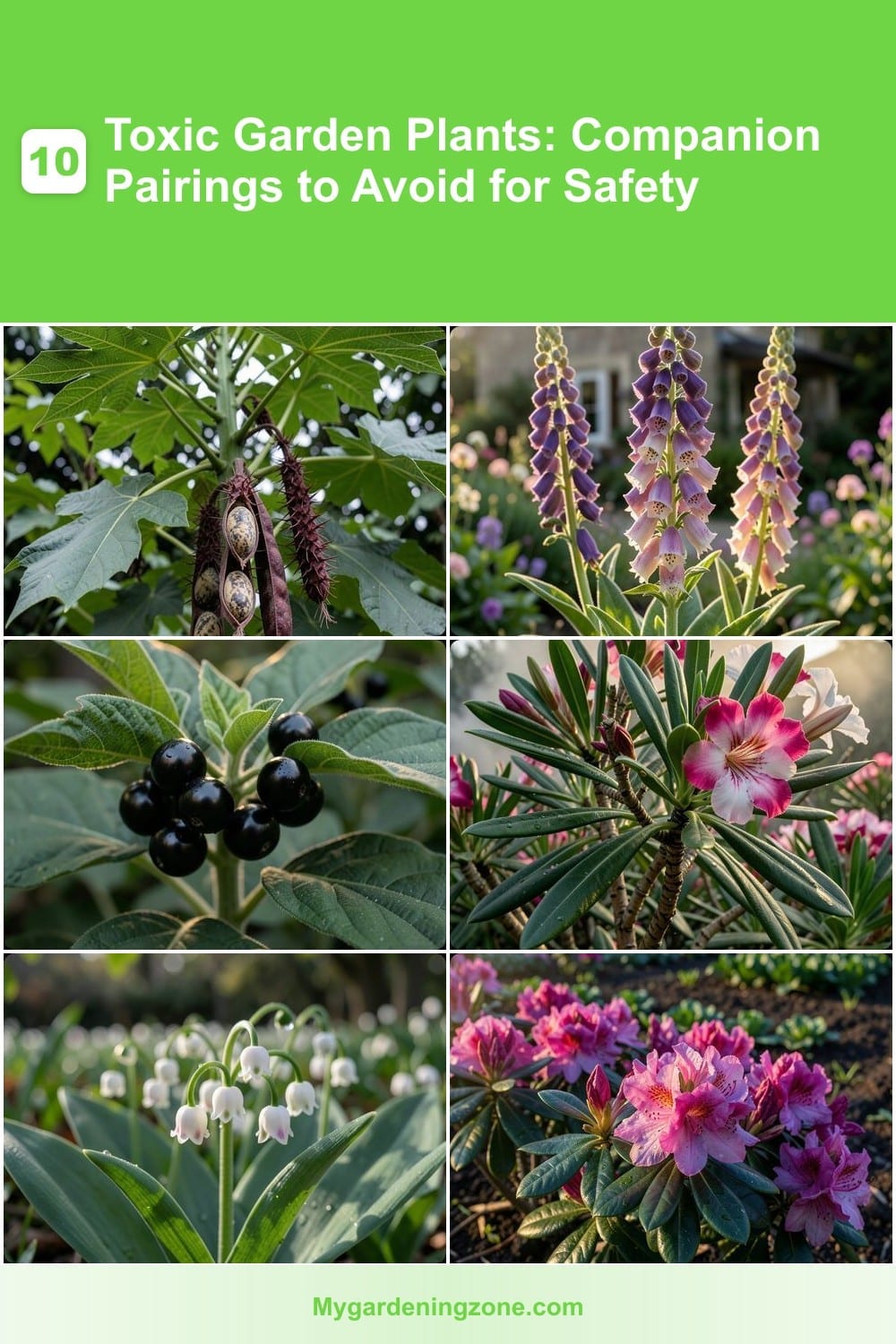
Many gardeners unknowingly plant toxic varieties next to edible crops, risking contamination and health hazards. This guide reveals which dangerous plants to keep far from your vegetable patches and why these pairings are unsafe.
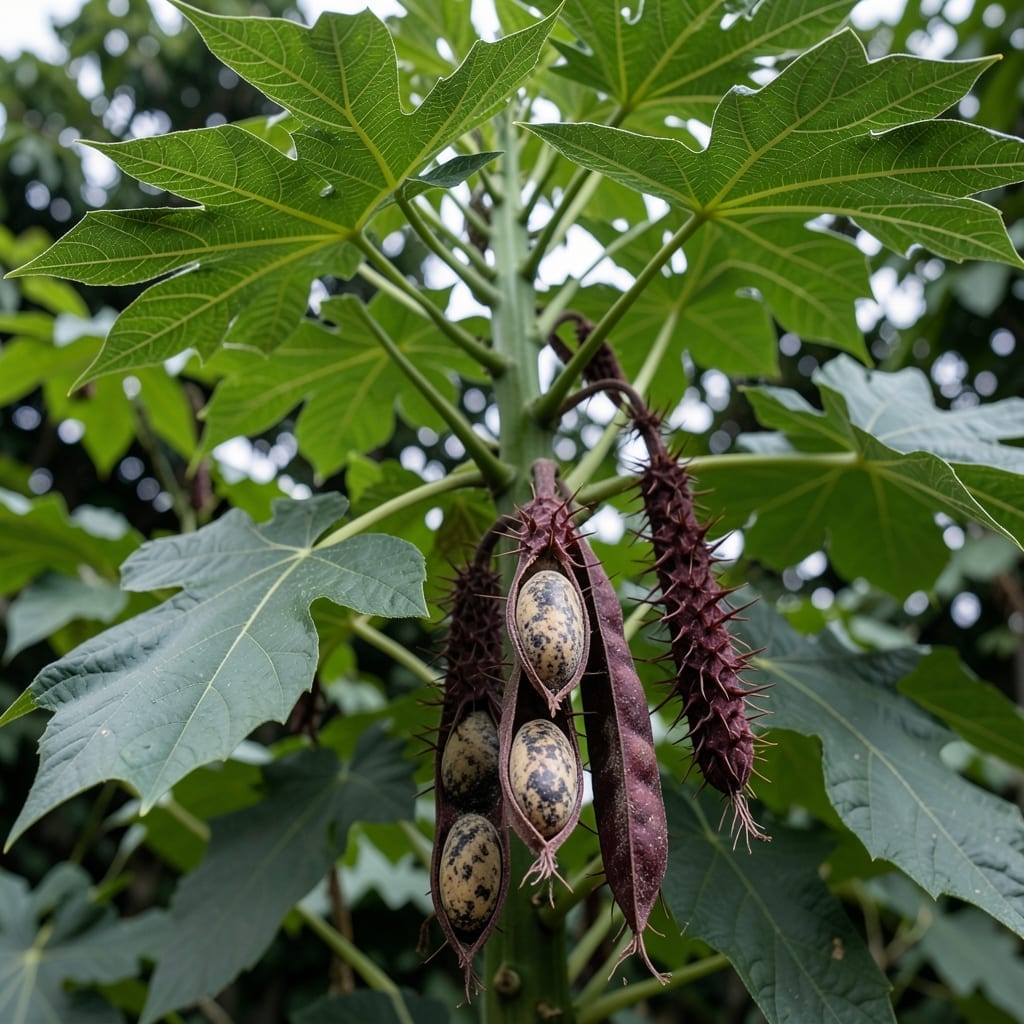
While castor bean plants boast dramatic foliage and striking seed pods, they’re one of the most dangerous choices for any garden with edibles. Their seeds contain ricin, a deadly toxin where just one can be fatal to children or pets.
Even the dust from crushed seeds can pose risks, and the plant’s attractive appearance often leads gardeners to underestimate its danger. Keep it at least 50 feet away from vegetable beds, herb gardens, or fruit trees to prevent accidental contamination or ingestion.
This plant is best for isolated ornamental beds where curious hands and paws can’t reach it. 🌿
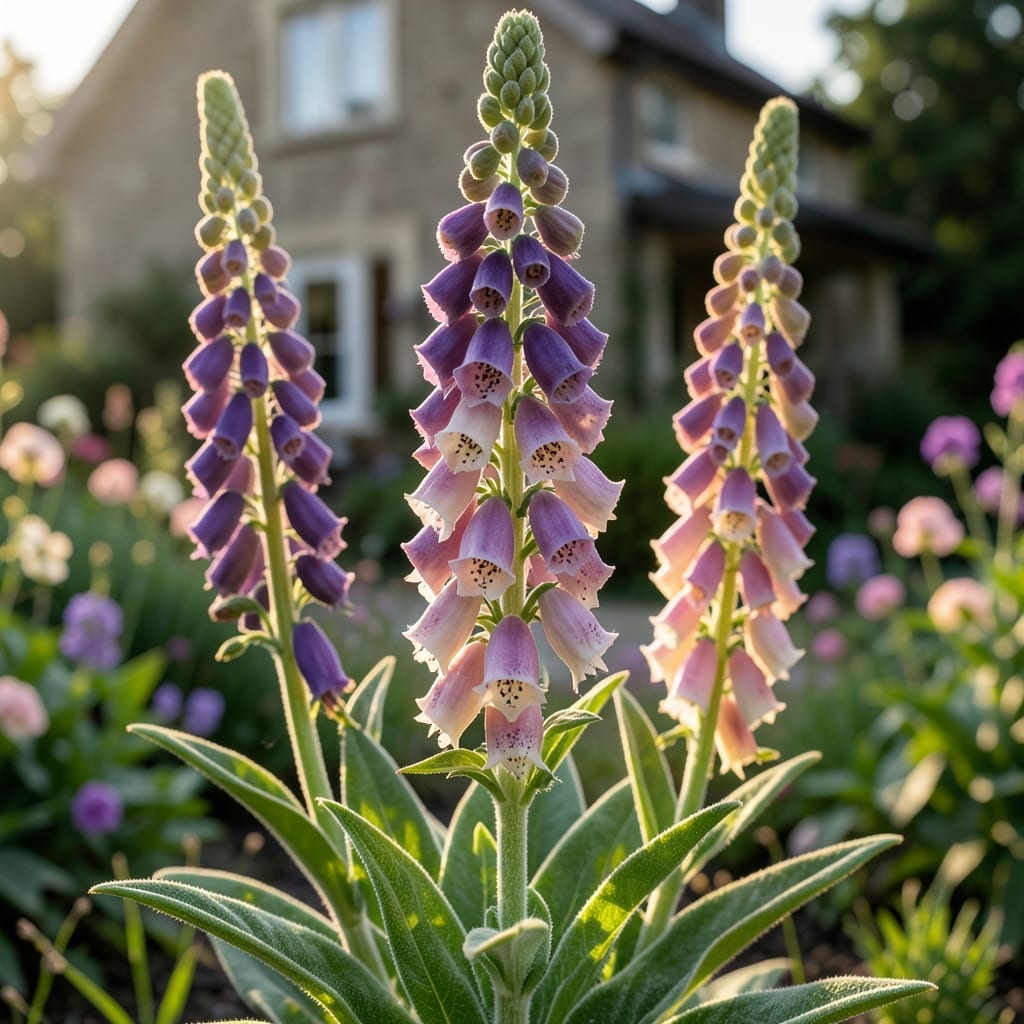
With its tall spires of bell-shaped blooms, foxglove adds cottage-garden charm—but its beauty hides a deadly secret. Every part of the plant, from leaves to seeds, contains toxic cardiac glycosides that can be fatal if ingested.
Gardeners often plant it too close to edibles, not realizing that even brushing against the leaves and then touching food could cause contamination. Keep foxglove at least 20 feet away from vegetable beds, and always wear gloves when handling it.
This plant is best enjoyed in isolated ornamental areas where its striking flowers can be admired from a safe distance. 🌿
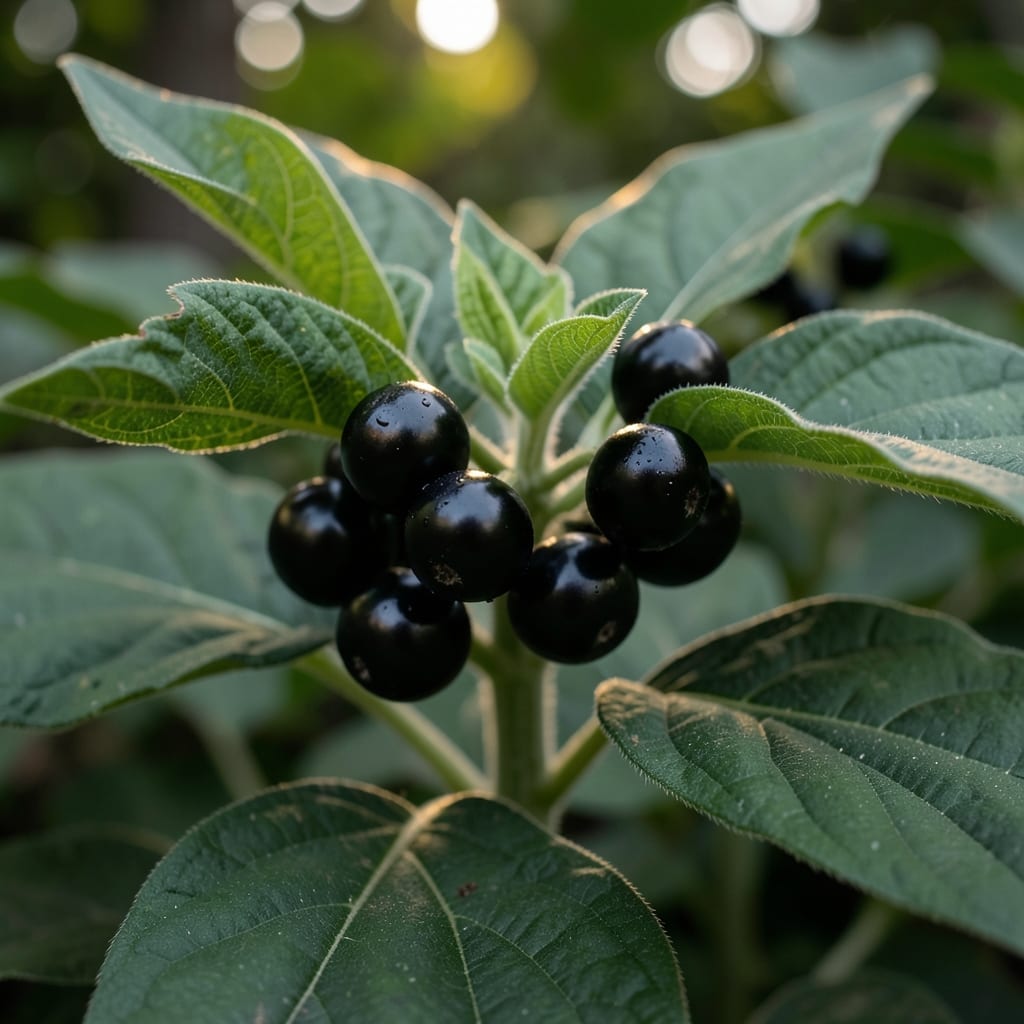
The glossy black berries of deadly nightshade look temptingly like cherries or grapes, but they pack a lethal punch. Atropa belladonna contains tropane alkaloids that can cause hallucinations, paralysis, or even death if ingested.
This plant is especially treacherous because its edible-looking fruit can easily confuse children, pets, or even adults foraging in the garden. Keep it at least 30 feet away from any fruit or vegetable beds to prevent tragic accidents.
Its striking purple flowers and shiny berries may be beautiful, but this is one plant that demands extreme caution and isolation in your landscape. 🌿
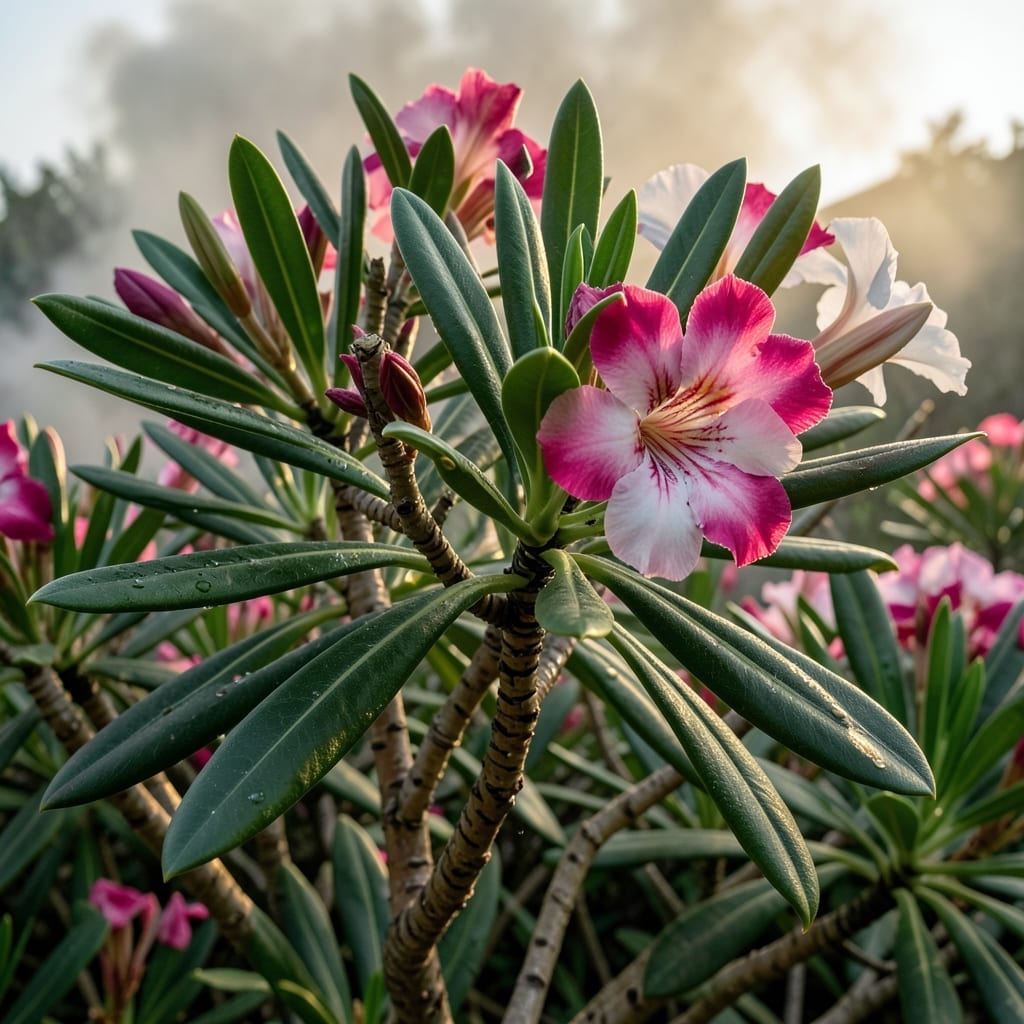
With its vibrant blooms and lush foliage, oleander is a garden favorite—but it’s one of the most dangerous plants to grow near edibles. Every part, from leaves to flowers to sap, contains toxic compounds that can cause severe illness or worse.
Even the smoke from burning oleander can be harmful, making it a risky choice for any yard with vegetable beds or fruit trees. To stay safe, keep this plant at least 30 feet away from any food crops to avoid accidental contamination.
Its beauty is undeniable, but oleander demands respect and distance in your landscape. 🌿
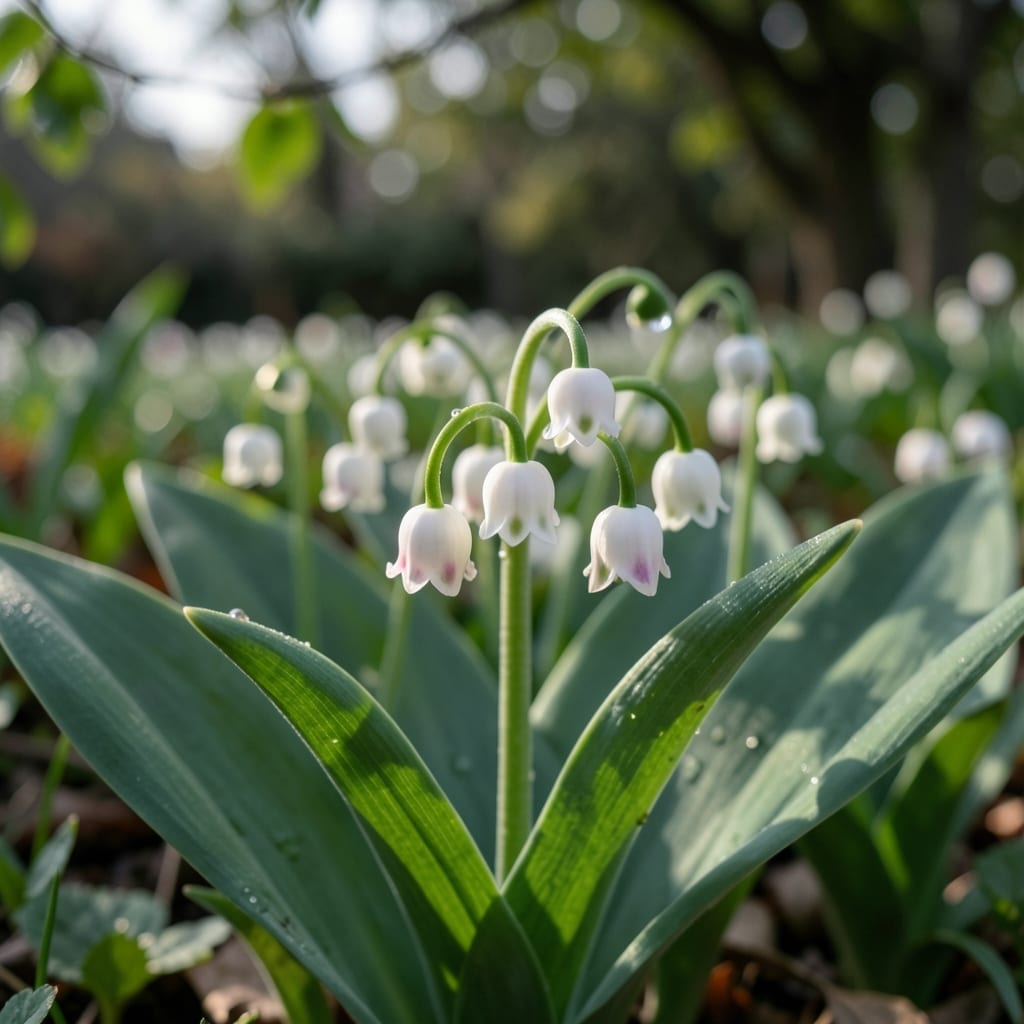
Don’t let the intoxicating fragrance of lily of the valley fool you—this delicate plant packs a deadly punch. Its tiny white bells contain cardiac glycosides, compounds that can trigger fatal heart arrhythmias if ingested.
The plant’s sweet scent and charming appearance often tempt gardeners to tuck it among culinary herbs, but this is a dangerous mistake. Even small amounts can be toxic to pets, children, or adults, and the risk of accidental poisoning is too great to ignore.
Admire its beauty from a distance—at least 30 feet from any edible plants—or opt for safer, non-toxic alternatives like sweet woodruff. 🌿
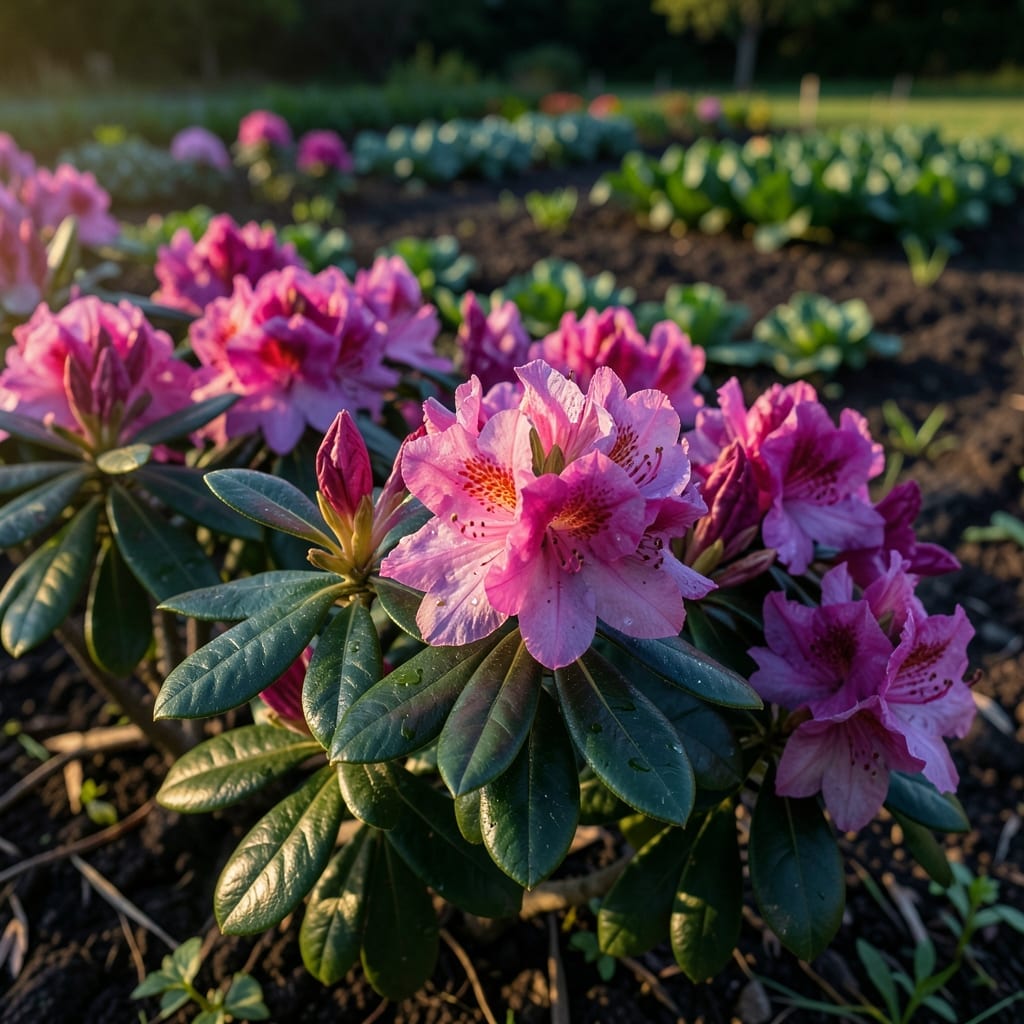
Those vibrant rhododendron and azalea blooms might look stunning beside your veggie patch, but they’re hiding a serious risk. Every part of these plants—leaves, flowers, even the nectar—contains toxins that can harm humans and animals if ingested.
Their popularity as landscape staples often leads to accidental placement near edible gardens. Keep them at least 25 feet away from vegetable beds, berry bushes, or herb gardens to prevent accidental poisoning from curious pets or children exploring the yard.
These shrubs shine in isolated ornamental beds where their beauty can be safely enjoyed. 🌿
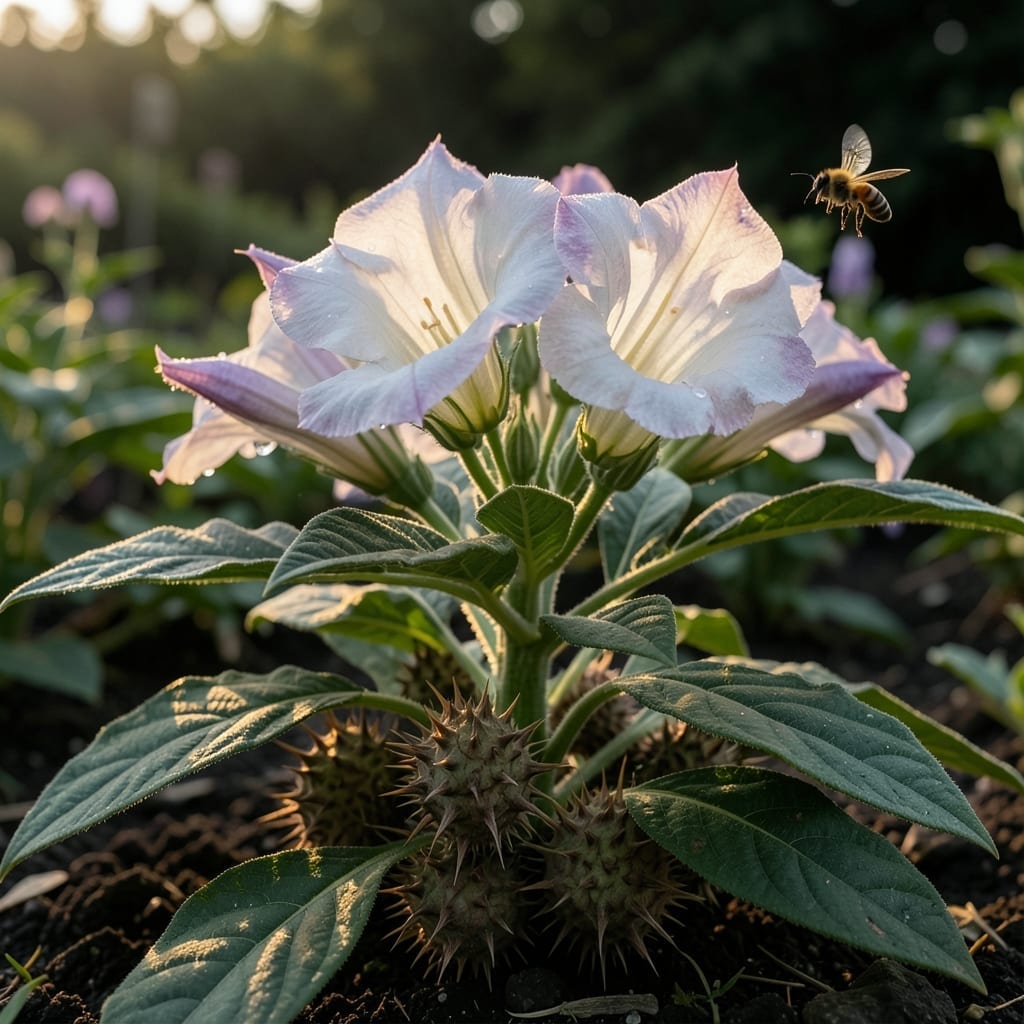
The alluring trumpet-shaped flowers of datura may draw pollinators to your garden, but this plant is a silent danger near any edibles. Its leaves, seeds, and flowers contain tropane alkaloids that can cause hallucinations, seizures, or even death if ingested.
Datura’s spiky seed pods are especially hazardous, as they can split open and contaminate nearby soil or plants. Keep it at least 50 feet away from vegetable beds, fruit trees, or herb gardens to prevent accidental poisoning of pets, children, or wildlife.
This plant is best reserved for isolated ornamental areas where its dramatic blooms can be admired from a safe distance. 🌿
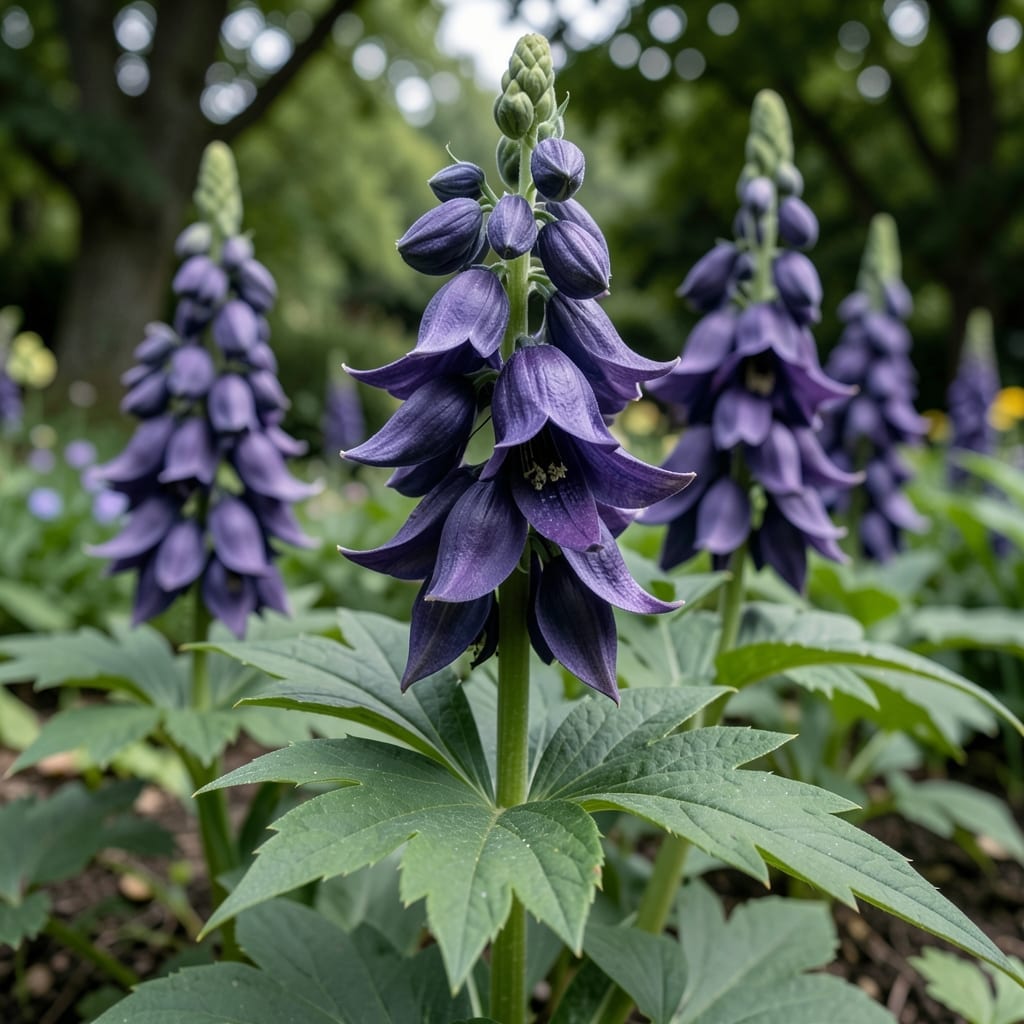
The striking helmet-shaped flowers of aconite, or monkshood, may add drama to your garden, but its beauty hides a deadly secret. This plant contains potent neurotoxins in every part, from roots to petals, making it extremely dangerous if ingested.
Its flowers can be mistaken for edible varieties like larkspur or delphinium, especially by children or pets exploring the garden. Keep aconite at least 30 feet away from salad greens, herbs, or any food crops to prevent accidental poisoning and ensure a safe growing environment.
Admire its unique blooms from afar, or choose non-toxic alternatives like columbine for a safer, equally stunning display. 🌿
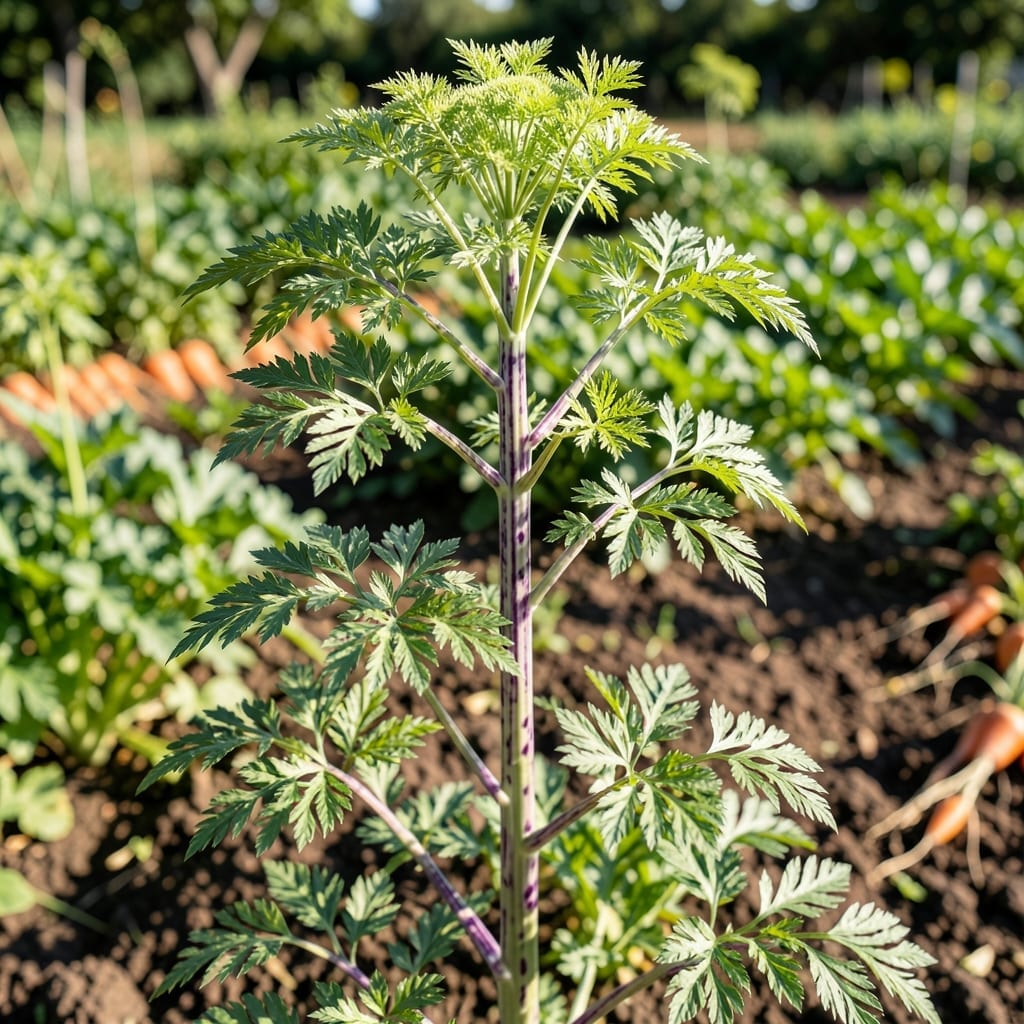
That tall plant with fern-like leaves in your veggie patch might not be wild carrot—it could be poison hemlock, one of the most deadly plants in North America. Every part of this plant is extremely toxic, and even small amounts can be fatal if ingested.
Identification is crucial: look for smooth, purple-spotted stems and clusters of small white flowers. Unlike its edible lookalikes, poison hemlock has a musty odor and grows much taller. Never touch or consume any part of a plant you’re unsure about.
When in doubt, remove it immediately—this is one plant that has no place near your edible garden. 🌿
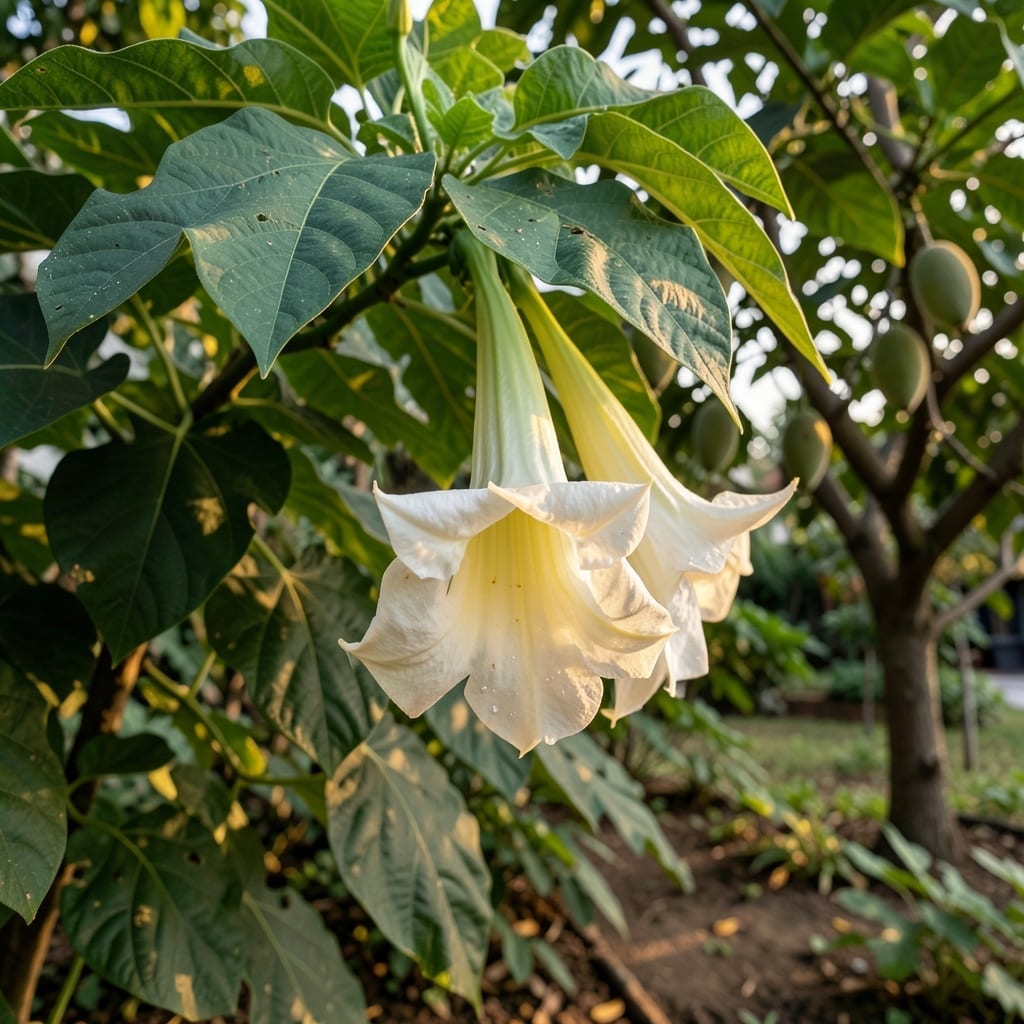
The intoxicating fragrance of angel trumpet may lure you in, but this tropical beauty is a silent hazard near fruit-bearing plants. Like its cousin datura, it contains deadly tropane alkaloids that can cause severe poisoning or worse if any part is ingested.
Its large, pendulous flowers and sweet scent often attract curious children and pets, making placement near fruit trees or berry bushes especially risky. Keep this plant at least 50 feet away from any edible crops to prevent accidental exposure and ensure garden safety.
Best reserved for isolated ornamental areas where its dramatic blooms can be enjoyed from a safe distance. 🌿