
Beautiful Plants For Your Interior
Beautiful Plants For Your Interior
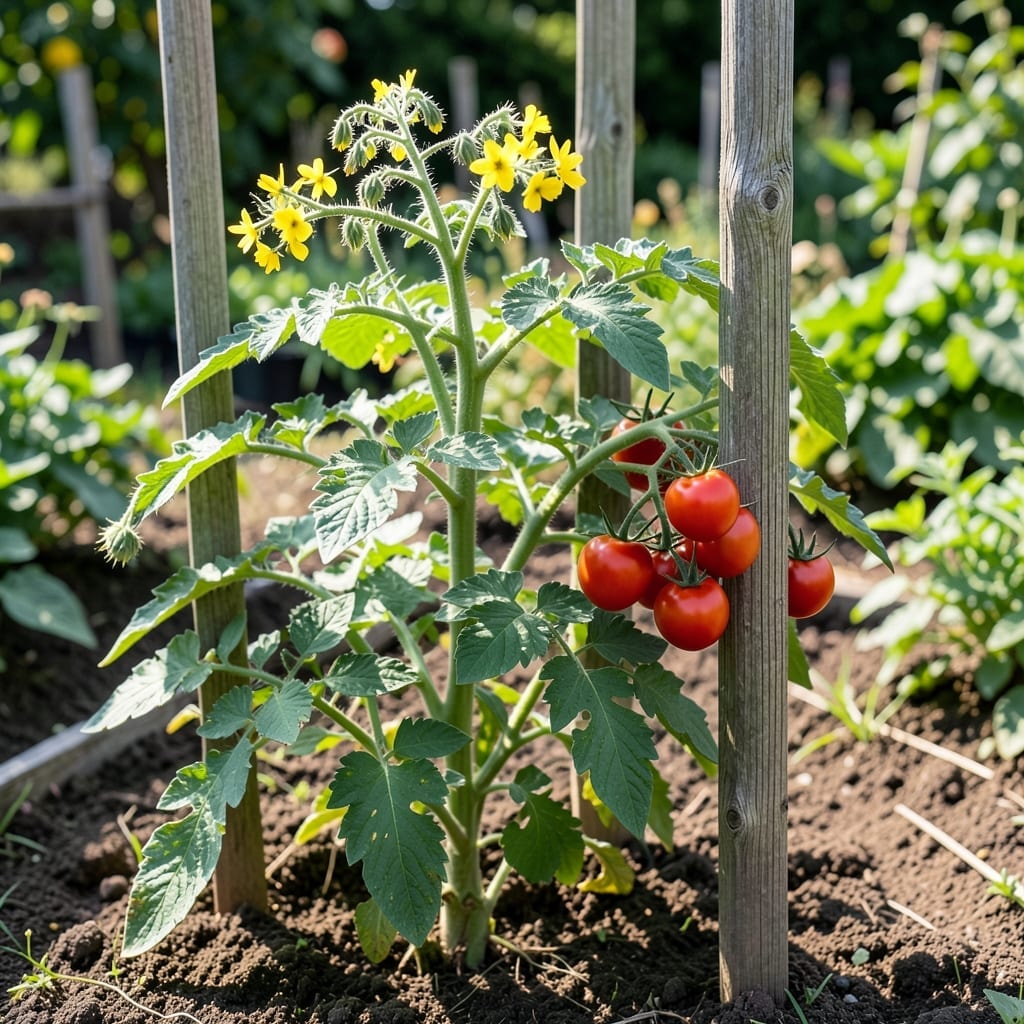
If your 🍅 Tomato plants look leggy or produce sparse fruit, the culprit is likely insufficient sunlight. That droopy, underperforming plant could be begging for more light than it’s getting.
I’ve seen gardeners struggle with this exact issue, not realizing their plants need consistent, direct light to truly thrive. The difference between a mediocre harvest and a bumper crop often comes down to this one factor.
Let me walk you through why full sun matters so much for Tomatoes and how to tell if your plants are getting enough. The signs are often subtle but unmistakable once you know what to look for.
By the end of this guide, you’ll understand exactly how many hours of sunlight your Tomato plants need and how to ensure they get it, even in less-than-ideal conditions.

If you want juicy, flavorful tomatoes, sunlight is non-negotiable. I’ve learned that 6-8 hours of direct sun daily is the sweet spot for most varieties. Anything less, and you’ll notice weaker stems and fewer fruits struggling to ripen.
Different tomato types have slightly different needs. Cherry tomatoes can tolerate 6 hours, while beefsteak varieties crave 8+ hours for those massive, meaty slices. The more sun they get, the sweeter and more abundant your harvest will be.
| Variety | Minimum Sun | Optimal Sun |
|---|---|---|
| Cherry Tomatoes | 6 hours | 8 hours |
| Beefsteak Tomatoes | 8 hours | 10+ hours |
| Roma Tomatoes | 6-7 hours | 8-9 hours |
During the vegetative stage, tomatoes need plenty of light to develop strong stems and leaves. Once they start flowering and fruiting, even more sunlight is critical. I’ve seen poorly lit plants produce small, bland tomatoes that never fully ripen.
In my experience, morning sun is particularly valuable. It dries dew quickly, reducing disease risks like early blight. If your garden gets only afternoon sun, ensure plants receive at least 6-7 hours to compensate for the less intense light.
For container gardeners, place pots where they’ll get maximum exposure. I move mine around the patio to chase the sun. Even on a balcony, south-facing spots work best. Remember, reflective surfaces like white walls can boost light intensity.
Shade cloths are useful in scorching climates, but I only use them during peak heat (above 90°F). Otherwise, full sun is always the goal. In cooler regions, every extra hour of sunlight helps tomatoes mature before the first frost.
If your space is limited, prioritize sunniest locations for tomatoes over less demanding crops. I’ve sacrificed shade-loving lettuce to give my tomato plants the light they need, and the payoff in harvest quality is undeniable.
Monitor your plants closely. If they start leaning toward the light or have pale, sparse leaves, they’re begging for more sun. I adjust their position or prune nearby plants to let in additional light.
Ultimately, more sun equals more tomatoes. Aim for the highest end of the range your climate allows, and you’ll be rewarded with bountiful, flavorful fruit all season long. ☀️
I’ve seen many gardeners struggle with weak tomato plants that just won’t produce. Often, it’s because they’re not getting enough direct sunlight. Tomatoes need full sun to develop strong stems and abundant fruit.
Without proper light, you might notice yellowing leaves or spindly growth. These are classic signs your plants are starving for sunlight. Even poor flowering can indicate insufficient light, as tomatoes need energy to set fruit.
⚠️ Warning: Low Sunlight Risks
Leggy growth, small fruit, and slow ripening are red flags. Move plants to a sunnier spot or use reflective mulch to boost light exposure.
Another telltale sign is slow growth. If your tomatoes seem stagnant, check their sunlight. They need at least 6-8 hours daily for optimal performance. Shaded gardens may require creative solutions like container gardening.
Even fruit quality suffers without enough sun. You might get smaller tomatoes or ones that take forever to ripen. This is because sunlight fuels photosynthesis, which is essential for fruit development.
I always recommend monitoring your garden’s sun patterns. Use a sunlight tracker app to see how many hours of direct light your tomato patch receives. Adjust plant placement as needed to maximize exposure.
Finally, don’t overlook pruning techniques. Removing excess foliage can improve light penetration to the lower parts of the plant. This encourages stronger growth and better fruiting all around. ☀️