
Beautiful Plants For Your Interior
Beautiful Plants For Your Interior
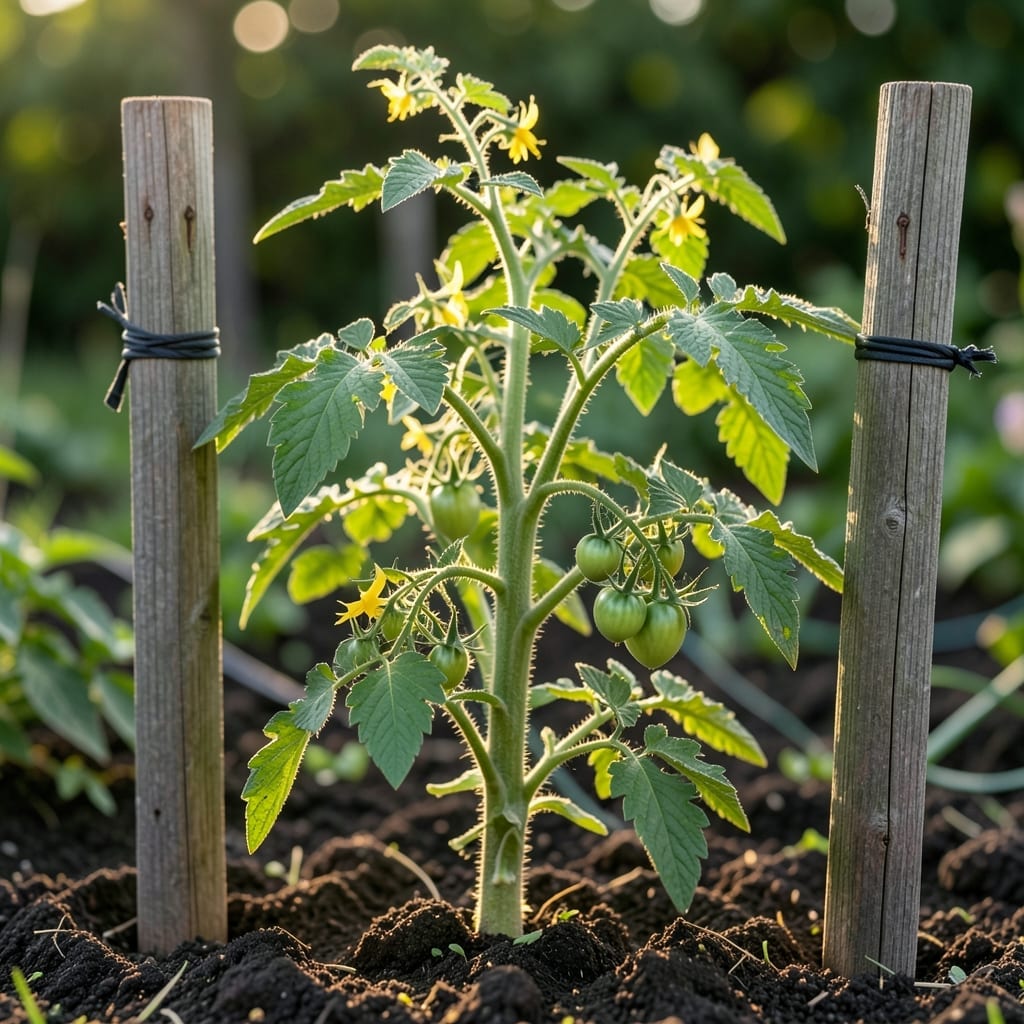
Nothing stings like watching tomato plants push flowers before they’ve grown enough leaves. I’ve lost entire early crops to this mistake, and the fix starts with understanding why it happens.
Stress from inconsistent watering, temperature swings, or even the wrong variety triggers premature flowering. Plants think they’re dying, so they rush to reproduce. Organic prevention means steady moisture, stable warmth, and choosing determinate types for short seasons.
With the right adjustments, your tomatoes will focus on leafy growth first. That means stronger stems, better fruit set, and harvests that actually fill your basket—not just your compost bin.
Simple tweaks to your routine can reset the timeline. Here’s how to keep them on track.
Early flowering in tomatoes can disrupt fruit production, but understanding the root causes helps prevent it. Here are the most common triggers:
Tomatoes are sensitive to temperature swings. When exposed to prolonged cold (below 50°F/10°C) or extreme heat (above 90°F/32°C), plants may flower prematurely as a survival mechanism. Cold stress signals the plant to reproduce quickly, while heat can accelerate metabolic processes, forcing early blooming.
Excess nitrogen early in the season promotes leafy growth, but low nitrogen or high phosphorus can push tomatoes into flowering mode too soon. Phosphorus-heavy fertilizers (e.g., bloom boosters) trick the plant into prioritizing reproduction over vegetative growth. Test soil and adjust fertilizer ratios to maintain a balanced N-P-K (e.g., 5-3-3 for young plants).
Tomatoes are day-neutral but can still react to light cues. Short daylight hours (common in early spring or fall) or artificial light disruption (e.g., greenhouse lighting) may trigger early flowering. Ensure seedlings receive 14–16 hours of light daily for optimal vegetative growth before flowering.
Inconsistent watering—drought or waterlogging—stresses the roots, prompting the plant to flower as a last-ditch effort to reproduce. Maintain even soil moisture (1–2 inches of water per week) and use mulch to stabilize conditions.
Root damage from transplant shock or compacted soil can also induce early blooming. Handle seedlings gently and avoid overworking the soil.
If your tomato plants are flowering too early, don’t worry—there are simple ways to correct it and get your plants back on track. Below are targeted fixes for the most common causes, along with prevention tips to keep your garden thriving.
If excess nitrogen is the culprit, stop fertilizing with high-nitrogen products immediately. Switch to a balanced fertilizer (like 5-5-5 or 10-10-10) or use compost to restore equilibrium. Test your soil to confirm nutrient levels, and adjust accordingly.
When high temperatures trigger early flowering, move potted plants to a shadier spot or use shade cloth (30-50%) for in-ground plants. Water deeply in the early morning to keep roots cool and prevent stress. Mulching with straw or grass clippings also helps regulate soil temperature.
💡 Pro tip: In extreme heat, misting the leaves in the late afternoon can provide relief.
If you’ve planted a naturally early-flowering variety, there’s little you can do to reverse it. However, you can pinch off the first set of flowers to encourage more foliage growth before fruiting. For future plantings, opt for indeterminate varieties like ‘Brandywine’ or ‘Beefsteak,’ which have a longer vegetative phase.
Crowded plants compete for light and nutrients, stressing them into early flowering. Thin seedlings to 18-24 inches apart (or as recommended for your variety). If transplanting, ensure each plant has enough space to grow without competition.
Fluctuations in moisture can stress plants. Water consistently—aim for 1-2 inches per week, adjusting for rainfall. Use a drip irrigation system or soaker hoses to deliver water directly to the roots, keeping foliage dry and reducing disease risk.
💡 Pro tip: Check soil moisture by sticking your finger 2 inches deep—if it’s dry, it’s time to water.
By addressing these issues promptly, you can delay flowering and give your tomatoes the time they need to grow strong and productive. Prevention is key, so monitor your plants regularly and adjust care as needed!
Yes, removing the first flower clusters can redirect energy toward leaf and stem growth. This works best for young plants that need more vegetative development before fruiting.
Check for signs like wilting during heat above 90°F or stunted growth after cold below 50°F. Temperature stress often pairs with leaf curling or discoloration.
Small pots restrict root growth, stressing the plant into early reproduction. Use containers at least 5 gallons for dwarf varieties and 10+ gallons for larger types.
Avoid high-phosphorus fertilizers until plants have 6-8 true leaves. Early use pushes flowering before the plant is ready, reducing overall yield. Stick to balanced formulas first.