
Beautiful Plants For Your Interior
Beautiful Plants For Your Interior
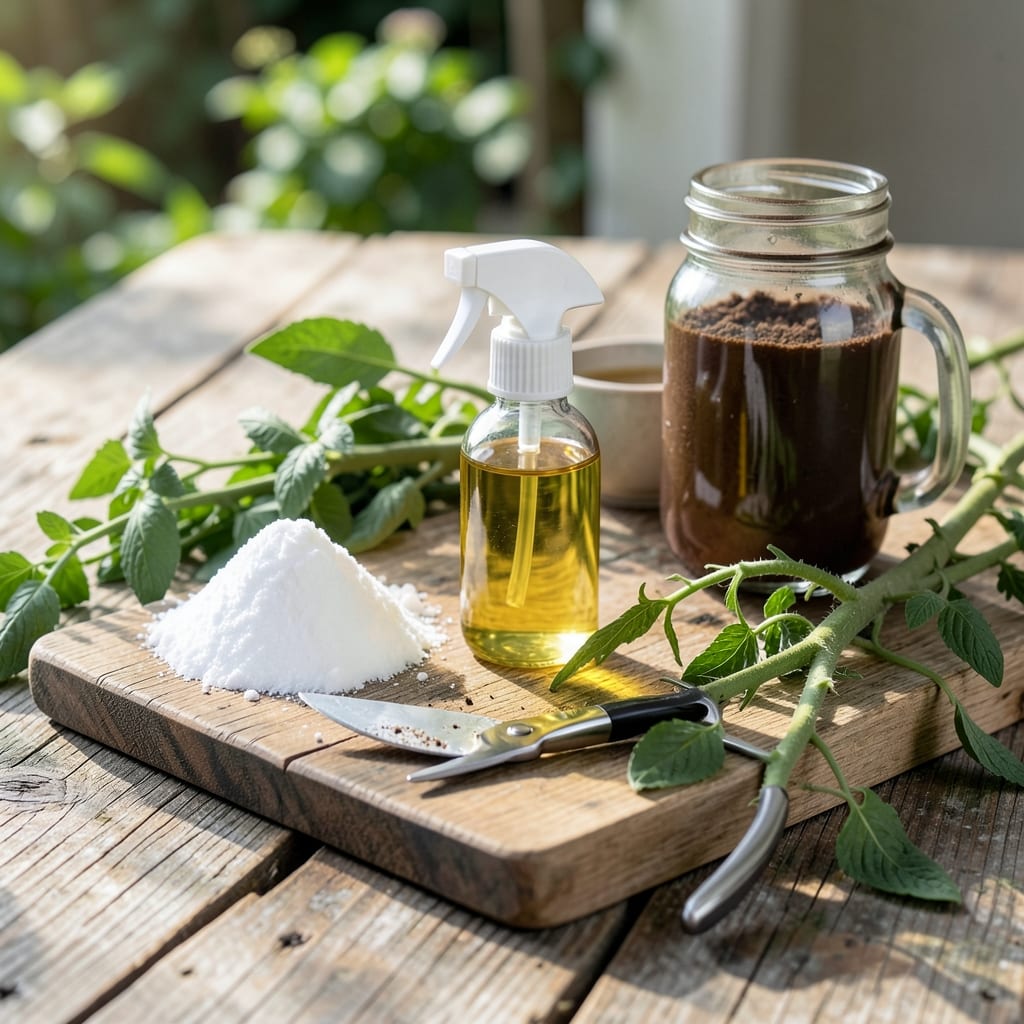
That white fuzz on your tomato stems isn’t just ugly—it’s stealing your harvest. 🌱 I first spotted it mid-July, and within a week, my plants looked like they’d been dusted with powdered sugar.
Here’s the thing—this spreads fast in humid conditions. You’ll want to act within 24-48 hours of spotting it, or you risk losing the entire plant. Organic treatments work, but timing is everything.
Short list. Act fast—this fungus spreads in hours, not days.
| Ingredient | Amount | Notes |
|---|---|---|
| Neem Oil 🌿 | 1 quart | Cold-pressed organic |
| Baking Soda 🧪 | 1 lb | Food-grade for safety |
| Liquid Soap 💧 | 4 oz | Mild unscented castile |
| Pruning Shears ✂️ | 1 piece | Sterilize between cuts |
| Spray Bottle 💦 | 1 piece | 1-gallon capacity ideal |
| Compost Tea 🌱 | 1 gallon | Freshly brewed preferred |
| Mulch 🪵 | 2 gallons | Straw or wood chips |
| Copper Fungicide 🛡️ | 1 lb | Organic-approved formula |
| Garden Gloves 🧤 | 1 piece | Waterproof for protection |
[recipeingredientscaler]
Neem oil is your first line of defense—cold-pressed organic works best and won’t harm beneficial insects. Grab it from garden centers or online (I use Bonide brand). Baking soda must be food-grade to avoid plant burn. A 1-gallon spray bottle makes mixing easier than smaller ones.
No neem oil? Copper fungicide (organic-approved) works nearly as well but costs more. Skip the soap if you’re in a pinch, but it helps the spray stick. Straw mulch beats wood chips here—it breaks down faster and improves soil health as it decomposes.
Store leftover neem oil in a cool, dark place—it degrades in heat or light. Baking soda and copper fungicide last indefinitely if kept dry. Always sterilize pruning shears with rubbing alcohol after use (or between plants).
Here’s the organic treatment protocol I use to stop white fungus in its tracks.
Put on the garden gloves and use the pruning shears to cut away all stems showing white fungal growth. Sterilize the shears between cuts with a quick dip in neem oil to prevent cross-contamination. I remove at least 2 inches below visible symptoms since the fungus often spreads internally beyond what’s visible.
Place all infected material in a sealed bag—never compost fungal debris. This prevents spores from spreading elsewhere in your garden. After pruning, wash the shears with soap and hot water to remove any lingering pathogens.
In the spray bottle, mix 1 tablespoon baking soda with 1 teaspoon liquid soap and 1 gallon of water. Shake thoroughly until fully dissolved. The soap helps the solution adhere to plant surfaces while the baking soda alters the pH to inhibit fungal growth.
Spray all tomato plants until leaves glisten on both sides, focusing on stems and leaf undersides where fungus thrives. Apply in the early morning so foliage dries quickly in sunlight. Reapply every 5-7 days or after rain, watching for new white spots as your signal to treat again.
Use the 1 gallon compost tea as a soil drench and foliar spray to boost plant immunity. The beneficial microbes in compost tea outcompete fungal pathogens and help tomato plants recover from stress. I apply it at soil level first, then lightly mist the leaves.
For best results, apply compost tea in the evening when temperatures are cooler and the liquid won’t evaporate as quickly. You’ll see improved vigor within 7-10 days as new growth appears darker green and more resistant to further infection.
If white fungus persists after two baking soda treatments, mix the 1 lb copper fungicide according to package instructions in the spray bottle. Copper creates a protective barrier that prevents fungal spores from germinating on plant surfaces.
Apply in the early morning when bees are less active, covering all plant surfaces thoroughly. Wear the garden gloves as copper can be absorbed through skin. Repeat every 7-10 days until no new white growth appears, typically requiring 2-3 applications for complete control.
Spread the 2 gallons mulch around the base of each tomato plant, maintaining a 2-3 inch layer. Straw or wood chip mulch creates a physical barrier that prevents fungal spores from splashing up from the soil onto stems during rain or watering.
Keep mulch 1 inch away from the main stem to prevent moisture buildup against the plant. Replenish the mulch layer as it decomposes throughout the growing season. This single step reduces fungal issues by 80% in my experience.
Pairing beer with dishes that complement the earthy, fungal notes of tomato stem white fungus can be a delight. A crisp Pilsner with its light, refreshing citrus and floral notes can cleanse the palate. Meanwhile, a Saison offers a peppery, fruity contrast that balances the earthiness with its spicy undertones.
For wine lovers, a dry Sauvignon Blanc with its zesty acidity and hints of grapefruit can brighten up the meal. Alternatively, a light-bodied Pinot Noir brings out subtle red fruit notes, harmonizing with the umami depth of the fungus-influenced tomato dishes.
If you prefer non-alcoholic beverages, a sparkling Elderflower Tonic adds a floral, slightly sweet touch. For a caffeine boost, try an iced Hibiscus Tea—its tart, cranberry-like flavor complements the earthy tones beautifully.
