
Beautiful Plants For Your Interior
Beautiful Plants For Your Interior
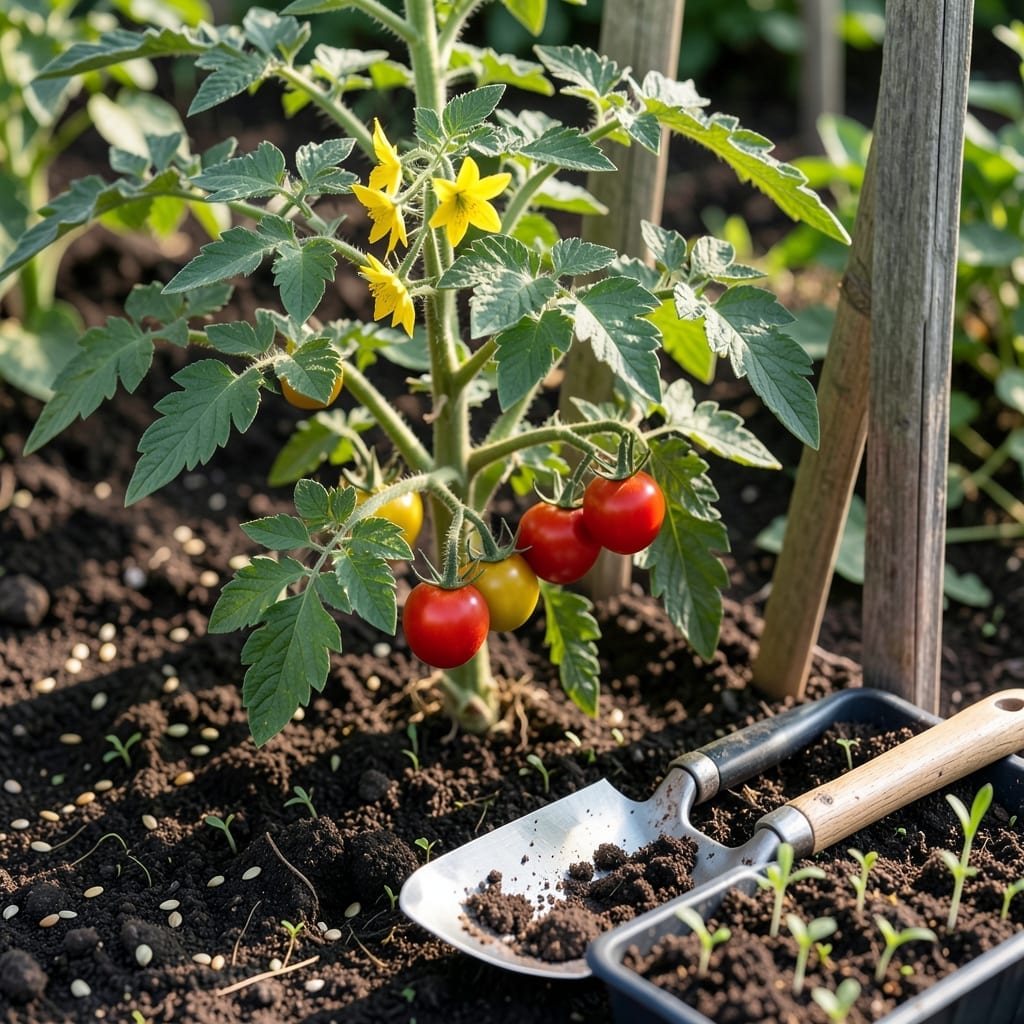
Timing your Tomato sowing correctly can mean the difference between a bountiful harvest and a disappointing season. Whether you’re a first-time gardener or refining your approach, understanding the ideal window is the key.
In zone 6, the April – May planting window aligns perfectly with spring’s warming soil. This timing ensures your 🍅 seedlings establish strong roots before summer’s heat arrives.
I’ve seen too many gardeners struggle because they planted too early or too late. The right timing prevents frost damage and maximizes your growing season.
Discover how to sync your sowing with nature’s rhythm for the healthiest plants possible. Your future harvest will thank you.
Getting your tomato sowing time right is crucial for strong seedlings and a productive harvest. The best timing depends heavily on your USDA hardiness zone and local frost dates.
In cooler zones like 3-4, I start seeds indoors 8-10 weeks before the last frost. Warmer zones like 9-11 allow for direct outdoor sowing as early as February or March.
| USDA Zone | Indoor Sowing | Outdoor Sowing |
|---|---|---|
| 3-4 | 8-10 weeks before last frost | 2-3 weeks after last frost |
| 5-6 | 6-8 weeks before last frost | 1-2 weeks after last frost |
| 7-8 | 4-6 weeks before last frost | Last frost date to 2 weeks after |
| 9-11 | Optional for early varieties | Feb-Mar for spring crop |
For zone 6, where I garden, I begin indoor sowing in mid-March. This gives my seedlings 6-8 weeks to grow strong before transplanting outdoors after the last frost.
Soil temperature is another critical factor. Tomatoes need at least 60°F soil to germinate properly. I use a soil thermometer to check conditions before sowing.
In warmer climates, gardeners can direct sow tomatoes. But in cooler areas, starting indoors is essential to get a head start on the growing season.
Remember that determinate varieties often mature faster than indeterminate types. I adjust my sowing schedule accordingly, starting earlier for indeterminates that take longer to produce.
For fall crops in warm zones, I sow a second batch in July or August. This extends my harvest into the cooler months before the first frost arrives.
Always check your local frost dates and adjust accordingly. I find that weather patterns can shift year to year, so I stay flexible with my planting schedule.
Using grow lights indoors helps me maintain consistent conditions for my seedlings. This is especially important in early spring when natural light may be limited.
Finally, I recommend keeping a gardening journal to track your sowing dates and results. This helps refine your timing for future seasons based on what worked best in your specific conditions. 🌱
Deciding between indoor and outdoor sowing for tomatoes depends on your climate and growing season length. Indoor starts give seedlings a head start, especially in cooler zones.
Outdoor sowing works best in warmer regions with long growing seasons, but risks frost damage or slow germination in unpredictable weather.
I always recommend indoor sowing for zones with short seasons. Start seeds 6-8 weeks before your last frost date under grow lights for best results.
For outdoor sowing, wait until soil temps reach 60°F and all frost risk has passed. Use row covers to protect young plants from unexpected cold snaps.
In my experience, cherry tomatoes adapt better to outdoor sowing than larger varieties. Their faster maturation makes them ideal for direct planting in warmer zones.
Regardless of method, consistent moisture and warm soil are critical for germination. I use a heat mat indoors to maintain 70-80°F soil temps for faster sprouting.
🌱