
Beautiful Plants For Your Interior
Beautiful Plants For Your Interior
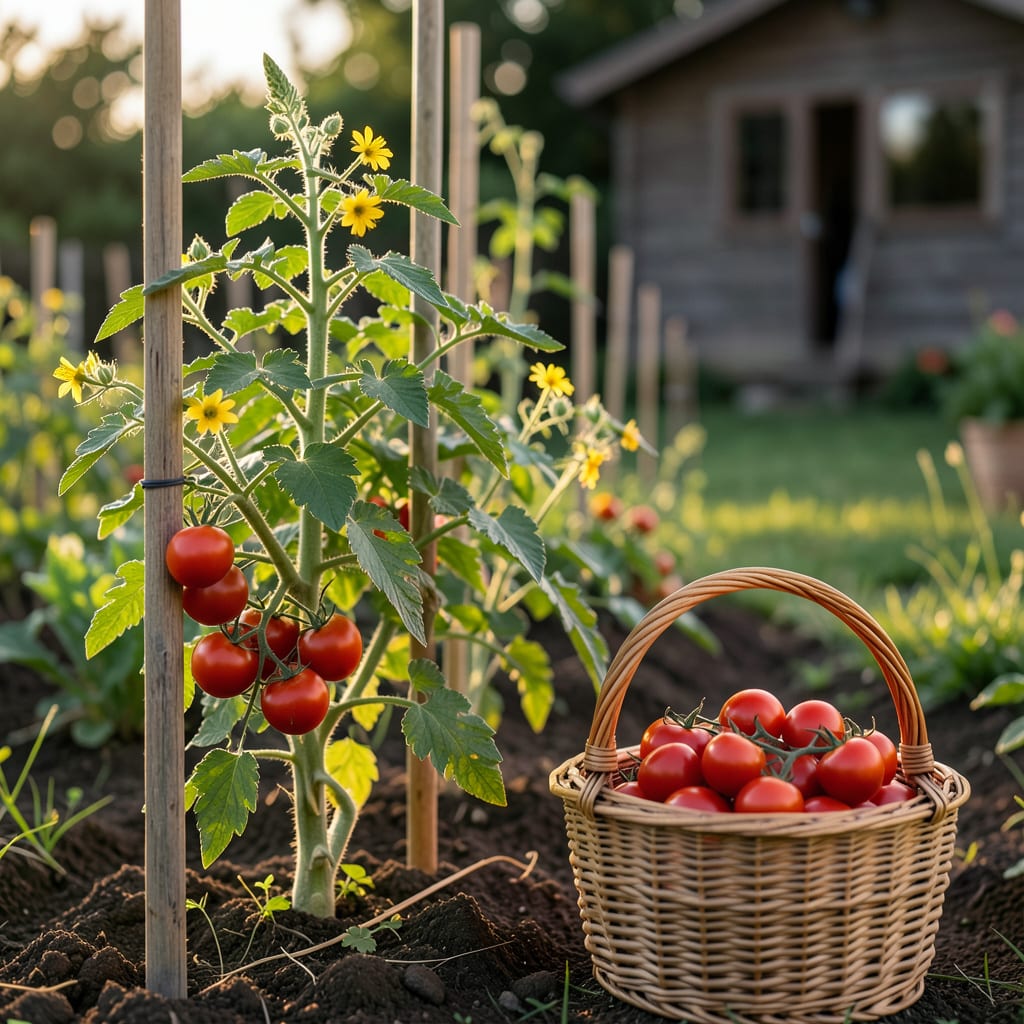
Watching a tiny seed transform into a vibrant 🍅 Tomato plant loaded with juicy fruits is pure magic. But how long does this journey actually take from start to finish?
From germination to that first perfect harvest, the timeline can vary. I’ll walk you through each stage so you know exactly what to expect with your Tomato plants.

The journey from tomato seed to ripe fruit is a fascinating process with distinct stages. Each variety has its own pace, but most follow a similar pattern.
Typically, you’ll see germination in 7-14 days under ideal conditions. This is when your tiny seeds first break through the soil, beginning their transformation into strong plants.
After transplanting, your tomato plants will focus on root and foliage growth. This vegetative stage typically lasts 4-6 weeks before flowers begin to form.
The flowering stage is crucial as it leads to pollination and fruit set. I always watch for those bright yellow blossoms, which usually appear about a month after transplanting.
Once pollinated, tiny green tomatoes will start to grow. This is when the magic happens – over the next 6-8 weeks, they’ll swell and change color as they ripen.
For early-season varieties like ‘Early Girl‘, you can expect harvest in about 50-60 days from transplant. These are perfect for gardeners in cooler climates with shorter growing seasons.
Mid-season tomatoes, such as ‘Better Boy’, typically take 70-80 days from transplant to harvest. These offer a good balance between quick production and larger fruit size.
Late-season varieties like ‘Brandywine’ can take 85-100 days or more. While they require patience, the flavor of these heirloom tomatoes is often worth the wait.
Remember that these timeframes are from transplant date, not seed sowing. If you start seeds indoors, add 6-8 weeks to the total time from seed to harvest.
Environmental factors like temperature, sunlight, and water consistency can all affect your timeline. Cooler temperatures may slow growth, while consistent warmth speeds it up
In my experience, the most rewarding part is watching that first red blush appear on a green tomato. It’s nature’s way of saying your patience is about to pay off ✅
If you’re eager to enjoy homegrown tomatoes sooner, there are several proven ways to accelerate growth without compromising flavor or quality. I’ve tested these methods in my own garden with great success.
Starting seeds indoors 6-8 weeks before the last frost gives your plants a head start. This is especially helpful in cooler climates with shorter growing seasons.
Another effective trick is using row covers early in the season. These protect young plants from cold snaps while trapping heat, which can add weeks to your growing window.
I always recommend consistent watering—about 1-2 inches per week—to prevent stress. Drip irrigation works best as it delivers water directly to the roots while keeping foliage dry.
Don’t overlook the power of proper spacing. Crowded plants compete for nutrients, slowing growth. Give determinate varieties at least 2 feet between plants and indeterminate types 3 feet for best results.
Finally, prune suckers on indeterminate tomatoes to direct energy toward fruit production. This simple step can speed up ripening by several days ✅
Even experienced gardeners can unknowingly extend their tomato seed to harvest time. I’ve learned that small oversights can add weeks to your growing timeline.
One of the most common issues is overwatering seedlings, which can lead to weak stems and delayed growth. Consistency is key with moisture levels.
⚠️ Avoid These Harvest Delayers
Poor soil conditions can set your tomato timeline back by 2-3 weeks. Always amend with compost before planting.
Another frequent mistake is planting too early in cold soil. Tomatoes need soil temps above 60°F to thrive. I always use a soil thermometer to check.
Incorrect spacing leads to competition for nutrients and light. Give indeterminate varieties at least 3 feet between plants for optimal growth and faster harvests.
Pest issues like aphids or hornworms can stall plant development. Regular inspections and organic pest control keep your plants on track for timely harvests.
Finally, inconsistent watering causes blossom end rot and slows fruit development. I maintain even moisture by watering deeply 2-3 times per week ✅
Variety choice, soil temperature, and sunlight hours play huge roles. Early types mature in 50-60 days while heirlooms may need 90+ days. Cooler weather slows everything down.
Yes! Fast varieties like ‘Stupice’ or ‘Siberian’ produce in 50-55 days from transplant. Start seeds indoors 6-8 weeks earlier for even faster results.
Common culprits include cold soil below 60°F, overwatering, or poor spacing. Check for pests too—hornworms can delay development by 2-3 weeks.
Look for full color, slight softness, and glossy skin. Green or hard fruits need more time. Most varieties ripen 6-8 weeks after flowering.
