
Beautiful Plants For Your Interior
Beautiful Plants For Your Interior
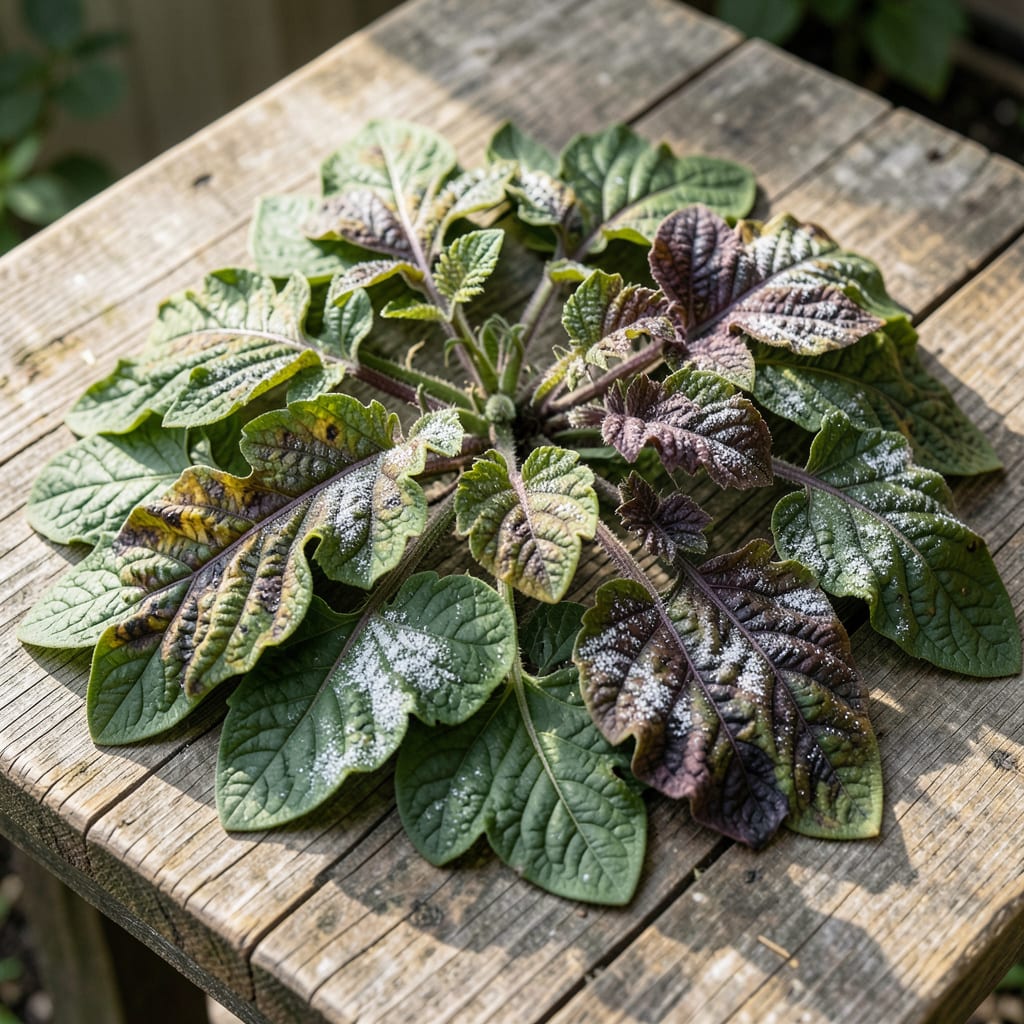
Brown spots on your tomato leaves aren’t just ugly—they’re a warning sign. I’ve lost entire crops to leaf diseases before learning to spot the early symptoms that most gardeners miss until it’s too late.
Early diagnosis is your best defense. Yellow halos around spots often mean early blight, while white powder signals mildew. Each disease has distinct visual clues that tell you exactly how to respond with organic fixes.
The right treatment can save your plants within 48 hours. Copper sprays work for fungal issues, while removing affected leaves stops bacterial spread. Prevention starts with proper spacing and morning watering.
Works for heirlooms, cherry varieties, and container plants alike. Here’s how to read the leaves like a pro.
Tomato leaf diseases often stem from a mix of environmental, biological, and cultural factors. Understanding the root causes helps you prevent and manage them effectively. Below are the primary culprits behind those unsightly spots, wilting, or yellowing leaves. 🌱
Fungi like Alternaria solani (early blight) and Phytophthora infestans (late blight) thrive in warm, humid conditions. These pathogens spread via spores in water or wind, infecting leaves when moisture lingers on foliage. Overhead watering and poor air circulation exacerbate the problem.
Bacteria such as Pseudomonas syringae (bacterial speck) and Xanthomonas vesicatoria (bacterial spot) enter through stomata or wounds. They multiply rapidly in wet, crowded environments, leading to black spots or leaf scorching. Contaminated tools or splashing water can spread these bacteria between plants.
Insects like aphids, whiteflies, and tomato hornworms weaken plants by feeding on sap or foliage, creating entry points for secondary infections. Their honeydew (a sticky residue) also promotes sooty mold, a fungal growth that blocks sunlight absorption.
Extreme temperatures, drought, or excessive moisture stress tomato plants, making them vulnerable to disease. For example, calcium deficiency (often due to uneven watering) causes blossom end rot, while high humidity encourages fungal spores to germinate.
Overcrowding, lack of crop rotation, and improper sanitation (e.g., leaving infected debris in the garden) create ideal conditions for pathogens to overwinter and reinfect. Using contaminated soil or seeds can also introduce diseases from the start.
When your tomato plants show signs of leaf disease, quick and targeted action can save your crop. Here’s how to tackle common issues effectively:
Remove infected leaves immediately to stop the spread. Use copper-based fungicides or a homemade mix of baking soda and water (1 tbsp per gallon) as a spray. Prevention tip: 💡 Space plants properly for airflow and avoid overhead watering to keep leaves dry.
Pull and destroy infected plants to prevent spores from spreading. Apply neem oil or potassium bicarbonate sprays at the first sign of trouble. Prevention tip: 🌱 Rotate crops yearly and use disease-resistant tomato varieties.
Treat with a sulfur-based fungicide or a milk-water solution (1:9 ratio) sprayed weekly. Prevention tip: ☀️ Provide afternoon shade in hot climates and water at the base of the plant to reduce humidity on leaves.
Blast off aphids with a strong water spray or apply insecticidal soap. Introduce beneficial insects like ladybugs. Prevention tip: 🎯 Plant companion herbs like basil or marigolds to deter pests naturally.
Remove infected leaves and avoid working with wet plants to limit spread. Use copper sprays for severe cases. Prevention tip: ✨ Sterilize tools and stake plants to improve airflow and reduce moisture buildup.
Act fast, stay consistent, and your tomato plants will thank you with a healthy, bountiful harvest! 🌿
Look for brown spots with concentric rings and yellow halos on lower leaves first. These spots grow and merge over time, often causing leaf drop. Early blight thrives in warm, wet conditions.
Space plants 18-24 inches apart for airflow and water at the base in the morning. Remove infected debris promptly and avoid overhead watering to keep foliage dry.
Yes! A mix of 1 tablespoon baking soda per gallon of water can combat fungal issues. For mildew, a 1:9 milk-water solution sprayed weekly works well. Always test on a small area first.
