
Beautiful Plants For Your Interior
Beautiful Plants For Your Interior
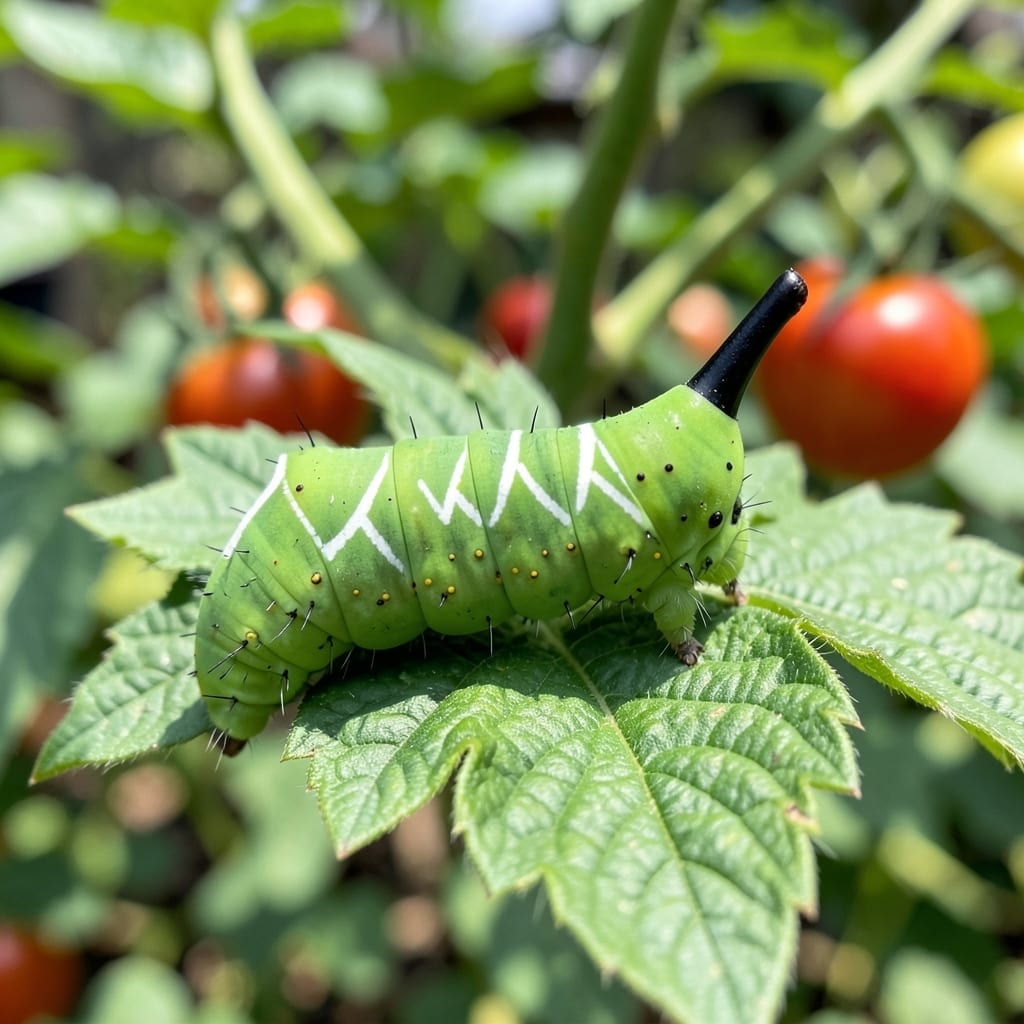
Spotting a tomato hornworm in your garden can be alarming, but understanding their growth stages helps you manage these pests effectively. These creatures transform dramatically as they develop.
The 🍅 tomato plant’s worst nightmare often starts as a tiny egg before growing into a 4-inch menace. Recognizing their size at each phase is the key to early intervention.
From barely visible to thumb-sized, their growth directly correlates with the damage they inflict. I’ll show you how to spot them before they devastate your crop.
Discover the visual cues that reveal their presence and learn when to take action. Your garden’s health depends on this knowledge.


Understanding tomato hornworm size at each stage helps me spot infestations early. These pests start as tiny 1-2mm eggs before growing into massive caterpillars that can strip a plant overnight.
I’ve learned that tracking their growth progression is key to effective control. The larval stage is when they do the most damage, so knowing their size at each phase lets me intervene at the right time.
| Stage | Size | Duration | Notes |
|---|---|---|---|
| Egg | 1-2mm | 5-7 days | Pale green, oval-shaped |
| First Instar | 5-7mm | 3-4 days | Tiny, pale with no horn |
| Second Instar | 10-15mm | 3-4 days | White diagonal stripes appear |
| Third Instar | 20-30mm | 3-5 days | Horn becomes visible |
| Fourth Instar | 40-60mm | 4-7 days | Green with bold stripes |
| Final Instar | 75-100mm | 7-10 days | Full 4-inch size, most destructive |
In my garden, I’ve found that final instar hornworms can reach a staggering 4 inches long. At this size, they can consume entire leaves and even small tomato fruits in a single day.
The egg stage is nearly invisible at just 1-2mm, but I look for tiny green orbs on the undersides of leaves. Catching them here prevents the population from exploding.
During the first and second instars, they’re still small but growing rapidly. I check plants daily when I spot 5-15mm caterpillars, as they’ll soon become much harder to control.
By the third instar, they’re 20-30mm and developing their characteristic horn. This is when I start seeing noticeable leaf damage, so I act fast with removal or organic sprays.
The final instar is when they’re most damaging. At 4 inches, they’re easy to spot but can defoliate a plant quickly. I handpick them or use BT spray for control.
I’ve learned that their size directly correlates with their appetite. Larger worms mean more damage, so early detection is critical for protecting my tomato plants.
Understanding these stages helps me stay ahead. I monitor my plants regularly and intervene as soon as I see signs of these pests at any size.
☀️Understanding tomato hornworm size helps predict damage severity. Smaller larvae cause minimal harm, but as they grow to 3-4 inches, their appetite increases dramatically. I’ve seen full-grown worms strip entire leaves overnight.
A 1-inch hornworm may only skeletonize foliage, while a 4-inch giant can defoliate a plant in days. The larger they get, the more they consume—up to two leaves per day. Early detection is key to saving your harvest.
🌱 Size vs. Damage Guide
I recommend checking plants daily when hornworms exceed 2 inches. At this size, they’re easier to spot and remove by hand. Look for dark green caterpillars with white diagonal stripes and a horn-like protrusion.
Larger worms also produce more frass (droppings), which can spread disease. Their size makes them bolder, often feeding openly during the day. act fast to prevent total plant collapse.
For organic control, I pick off large hornworms and drop them in soapy water. Beneficial insects like parasitic wasps target younger, smaller larvae effectively.
Remember, prevention is easier than cure. Rotate crops annually and use row covers to deter adult moths from laying eggs. Healthy plants recover faster from pest damage.