
Beautiful Plants For Your Interior
Beautiful Plants For Your Interior
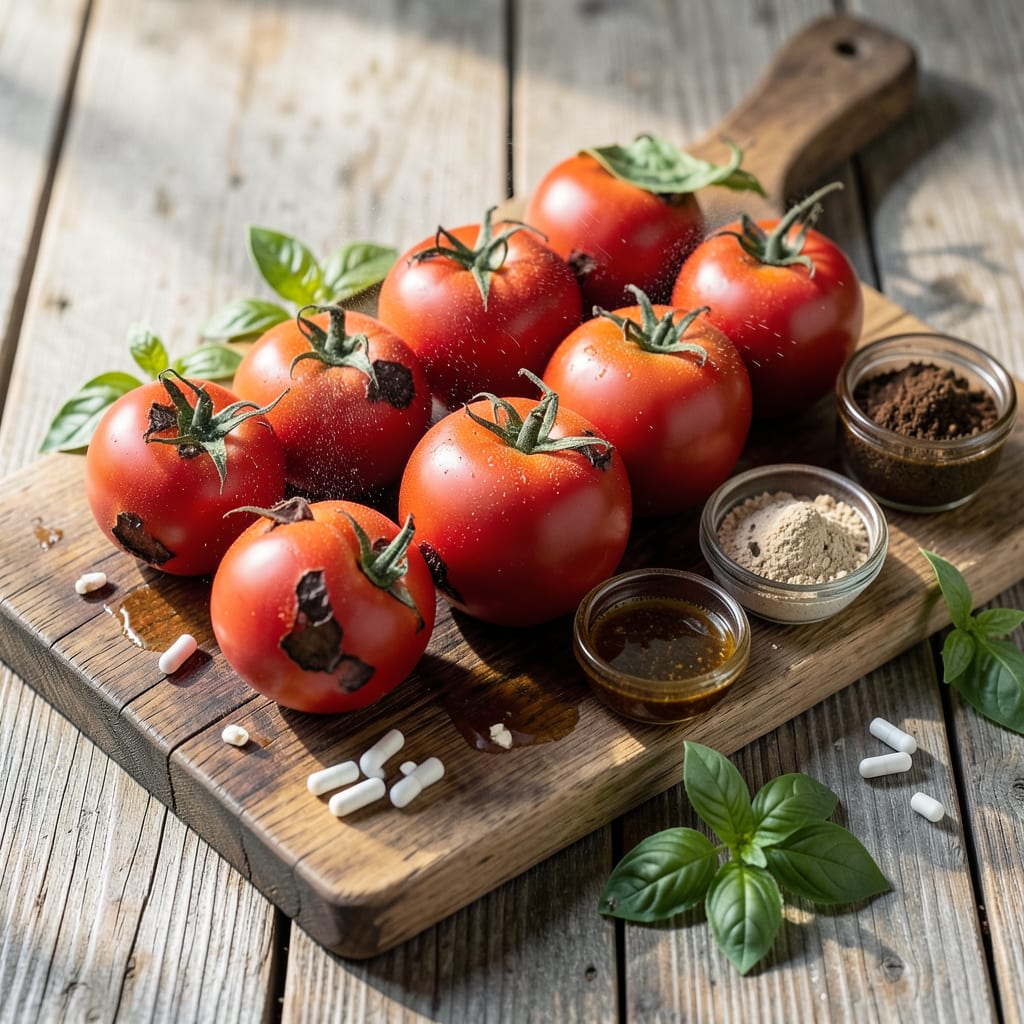
Black bottoms on your tomatoes signal a calcium crisis. I’ve lost entire harvests to this silent thief before learning the simple fixes that actually work.
The problem isn’t just about soil—it’s about delivery. Even calcium-rich ground can’t help if inconsistent watering blocks uptake. My plants recovered within 2 weeks once I fixed the real issue.
You’ll see new fruit forming without those telltale brown spots, and existing tomatoes will stop developing new rot. The solution costs pennies and prevents future seasons of disappointment.
Works for container plants, in-ground gardens, and every tomato variety. Here’s the rescue plan.
Blossom end rot in tomatoes is primarily triggered by calcium deficiency in the developing fruit, but the root causes are often environmental or cultural. Here’s a breakdown of the key factors:
Tomatoes require consistent calcium uptake to form strong cell walls. If the soil lacks available calcium—either due to low pH (below 6.2) or excessive competition from other nutrients (like magnesium or potassium)—the plant can’t absorb enough, even if calcium is present. Sandy or heavily leached soils are especially prone to this issue.
Fluctuations in soil moisture disrupt calcium transport. When the soil dries out, calcium movement to the fruit halts, and sudden rewatering can’t reverse the damage. Uneven watering (drought followed by heavy irrigation) is a leading cause of blossom end rot, as it creates stress that blocks calcium distribution.
During periods of fast growth (often spurred by high nitrogen or warm weather), tomato fruits outpace the plant’s ability to supply calcium to the farthest cells—the blossom end. This localized deficiency manifests as rot, even if the rest of the plant appears healthy.
Compromised roots—from over-fertilization, nematodes, or mechanical injury—reduce the plant’s ability to absorb calcium. Additionally, cold soil temperatures (below 55°F) slow root activity, limiting nutrient uptake when it’s needed most.
Addressing these causes requires a mix of soil testing, water management, and balanced fertilization to ensure steady calcium supply to the fruit.
End rot can be frustrating, but these targeted fixes will help you save your tomato crop and prevent future issues. Address the root cause with these practical solutions.
Fluctuations in soil moisture disrupt calcium uptake. Water deeply and consistently—aim for 1–2 inches per week, adjusting for rain. Use drip irrigation or soaker hoses to keep soil evenly moist. Mulch with straw or wood chips to retain moisture and prevent rapid drying.
Prevention tip: 💡 Check soil moisture 2 inches down before watering—if it’s dry, it’s time to hydrate.
If your soil lacks calcium, amend it immediately. Work crushed eggshells, gypsum, or lime into the soil (follow package rates). For a quick fix, spray plants with a calcium chloride solution (1 tbsp per gallon of water) directly on leaves. Avoid high-nitrogen fertilizers, which can interfere with calcium absorption.
Prevention tip: 🎯 Test your soil before planting—ideal pH for tomatoes is 6.2–6.8.
Fast-growing plants can outpace calcium uptake. Prune excess suckers to redirect energy to fruit. Avoid over-fertilizing with nitrogen, which promotes leafy growth at the expense of fruit health. Use a balanced fertilizer (e.g., 10-10-10) and follow label instructions.
Prevention tip: ✨ Space plants 18–24 inches apart to reduce competition for nutrients.
Extreme heat or cold can hinder calcium movement. Use shade cloth during heatwaves and row covers for unexpected chills. Keep soil temperatures stable with mulch. If growing in containers, move pots to a sheltered spot during temperature swings.
Prevention tip: 🌡️ Plant tomatoes after the last frost when soil is warm (above 60°F).
By tackling the underlying issue, you’ll stop end rot in its tracks and enjoy a bountiful harvest of healthy tomatoes. Stay consistent, and your plants will thank you! 🍅
New fruit will show improvement within 1-2 weeks of consistent treatment. Existing affected tomatoes won’t heal, but will stop getting worse. Focus on prevention for future harvests.
Yes! Crush eggshells and work them into soil, or mix 1 tbsp calcium chloride per gallon of water for foliar spray. Avoid using milk—it can attract pests.
Inconsistent watering is likely the culprit. Calcium needs steady moisture to reach the fruit. Check soil 2 inches deep before watering to maintain even moisture.
