
Beautiful Plants For Your Interior
Beautiful Plants For Your Interior
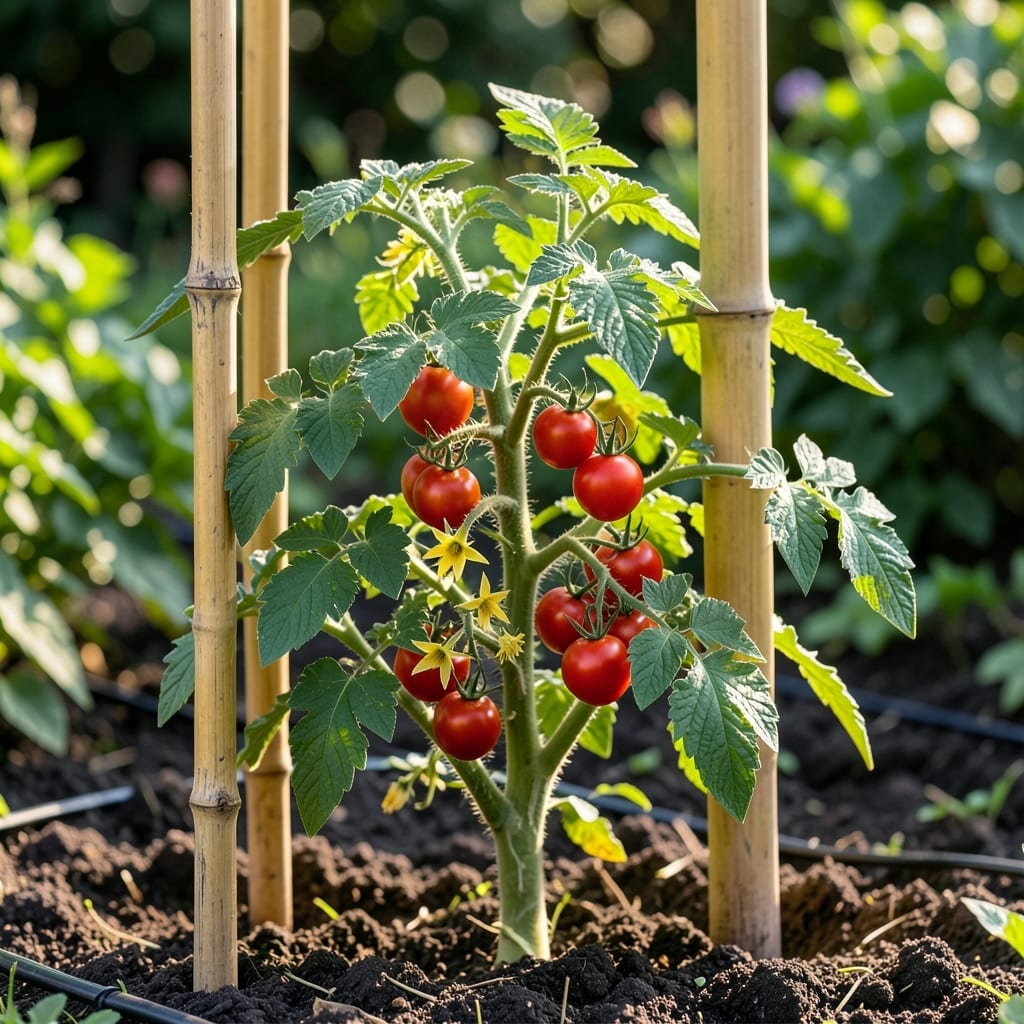
Knowing the exact days to maturity for your 🍅 Tomato varieties can make or break your harvest. This metric tells you exactly when to expect ripe fruit after planting.
Whether you’re growing early producers that mature in 50 days or hearty heirlooms that need 100 days, this timeline helps you plan with precision. No more guessing games in your garden.
I’ll show you how to use this information to maximize your yield and avoid common pitfalls. Let’s turn your tomato dreams into reality.
Understanding tomato days to maturity helps you plan your garden like a pro. This metric counts the days from transplanting to first harvest.
I categorize tomatoes into three groups: early season, mid-season, and late-season varieties. Each serves different gardening goals and timelines.
| Variety Type | Days to Maturity | Example Varieties |
|---|---|---|
| Early Season | 50-60 days | Stupice, Sub-Arctic Plenty |
| Mid-Season | 60-80 days | Roma, Celebrity |
| Late-Season | 80+ days | Brandywine, Beefsteak |
Early season tomatoes are perfect for cool climates or gardeners eager for quick results. These varieties often produce smaller fruits but deliver fast.
For mid-season tomatoes, you’ll get a balance of flavor and productivity. They’re ideal for most regions with moderate growing seasons.
Late-season tomatoes need a long growing window but reward you with large, flavorful fruits. They thrive in warm climates with extended summers.
I always recommend checking your local frost dates when choosing varieties. This ensures your tomatoes have enough time to mature before cold weather hits.
In my experience, starting seeds indoors can give you a head start. This is especially helpful for late-season varieties in shorter growing zones.
Remember, days to maturity is just a guideline. Your actual harvest time can vary based on weather, soil, and care practices. ☀️
For the best results, plant a mix of early, mid, and late-season tomatoes. This staggered approach gives you a continuous harvest throughout the season.
Your tomato days to maturity aren’t set in stone. Temperature plays a huge role—cool springs slow growth while warm summers speed it up.
Sunlight is another critical factor. Tomatoes need 6-8 hours daily for optimal development. Less light means longer maturity times.
In cooler climates, I recommend using black plastic mulch to warm the soil. This can shave 5-7 days off your maturity timeline.
Container gardeners should note that pots heat up faster. This can accelerate growth but requires more frequent watering to prevent stress.
I’ve found that wind protection helps too. Strong winds can damage plants and slow their progress toward maturity.
For short-season areas, choose fast-maturing varieties and start seeds indoors. This combination helps beat the clock before frost arrives.
Remember, stress factors like drought or pests can add days to your timeline. Keep plants healthy for the most accurate maturity estimates. 🌱