
Beautiful Plants For Your Interior
Beautiful Plants For Your Interior
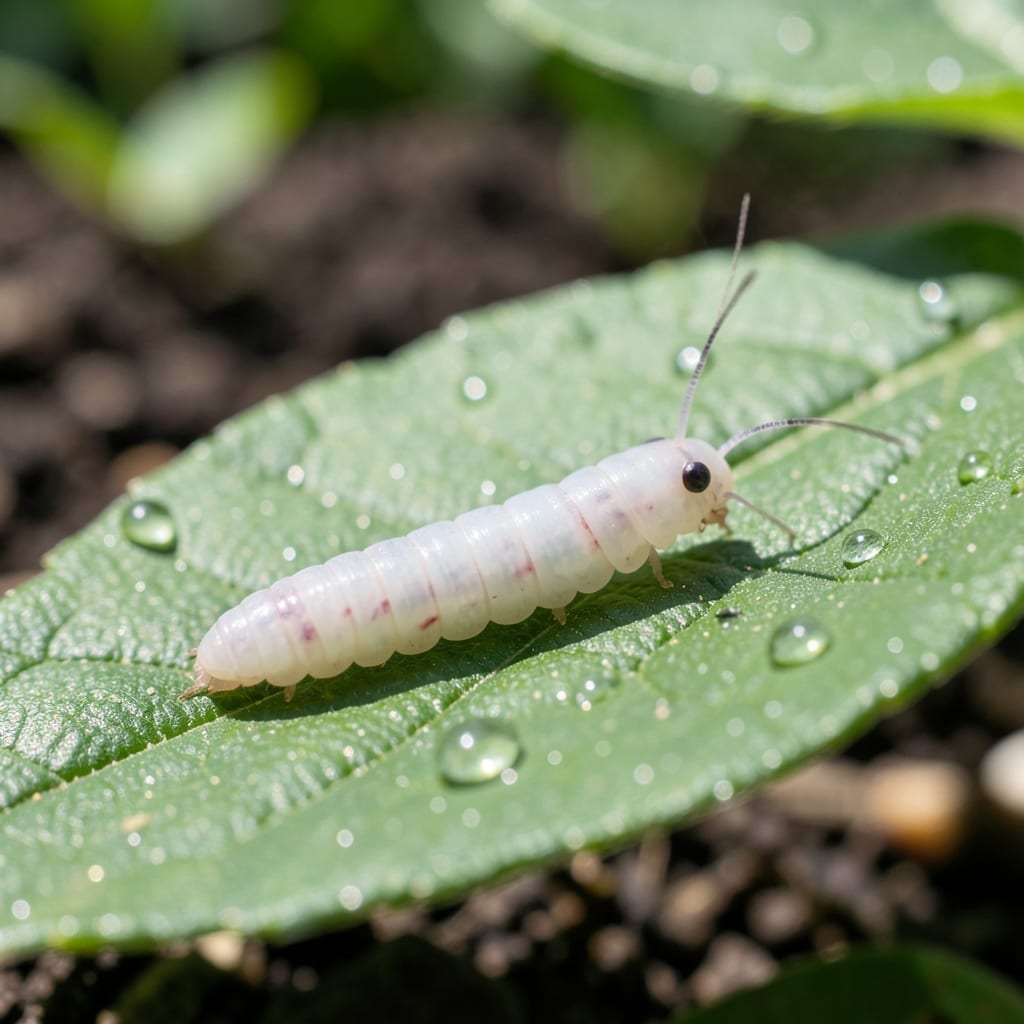
I spotted them first in my basil—tiny white worms with what looked like antennae. They weren’t in the soil. They were on the leaves, and they were multiplying fast.
Confession: I panicked. Then I grabbed my magnifying glass. Turns out, these aren’t worms at all. They’re larvae, and they’re a common sign your plants are under siege by a specific pest.
Here’s the thing—identifying them correctly is the difference between nipping the problem in the bud and watching your garden get overrun in a week. I’ve seen both outcomes.
We’ll sort out what they are, why they’re there, and exactly how to send them packing. No guesswork, just action.
The appearance of tiny worms with antenna-like structures in your home or garden is often tied to specific environmental or biological triggers. Below are the most common causes, explained with actionable insights.
Many microscopic worms, such as nematodes or larval stages of insects (e.g., fungus gnat larvae), thrive in damp conditions. Standing water, overwatered plants, or poor drainage create ideal breeding grounds. Action: Reduce moisture by fixing leaks, improving ventilation, or adjusting watering schedules.
Decaying plant matter, compost piles, or uncleaned food scraps attract worms and insects. These organisms feed on decomposing material, and their larvae may resemble tiny worms with antenna-like sensory appendages. Action: Regularly remove organic waste and maintain clean outdoor spaces.
Potting soil or garden beds infested with eggs or larvae can introduce these pests. Contaminated soil often harbors fungus gnats, whose larvae have thread-like bodies and small, antenna-like projections. Action: Sterilize soil before use or replace infested soil entirely.
Some tiny worms are parasitic or symbiotic with other pests (e.g., mites or aphids). Their presence may signal a larger infestation. Action: Inspect plants and structures for primary pests and treat them to disrupt the lifecycle.
Dealing with these microscopic pests requires a mix of immediate action and long-term prevention. Below are practical solutions tailored to common causes, ensuring your space stays clean and pest-free.
If excess moisture is the culprit, start by draining standing water and letting the soil dry out. Use a fan to speed up the process. Adjust your watering schedule to keep soil damp but not soggy. Prevention tip: 💡 Ensure pots have drainage holes and use well-draining soil mixes.
Clear away fallen leaves, decaying plant matter, or food scraps where these worms thrive. Sanitize the area with a mild bleach solution (1 part bleach to 10 parts water) to kill eggs or larvae. Prevention tip: ✨ Regularly clean garden beds and compost bins to avoid buildup.
Inspect for cracks, gaps, or open windows where pests might enter. Seal entry points with caulk or weatherstripping. For outdoor plants, use fine mesh screens to block access. Prevention tip: 🎯 Check seals around doors and pipes monthly.
Remove affected plants and isolate them to prevent spreading. Treat with neem oil or insecticidal soap, applying weekly until the issue resolves. Prevention tip: 🌡️ Inspect new plants before bringing them indoors.
Consistency is key—combine these fixes with regular maintenance to keep your environment pest-free!
No, they’re likely fungus gnat larvae or similar pests. Their tiny, thread-like bodies and antenna-like projections often mimic worms, but they’re insect larvae feeding on organic matter.
Use well-draining soil and pots with drainage holes. Water only when the top 1-2 inches of soil are dry, and avoid overwatering.
Yes, larvae feed on roots and organic matter, weakening plants over time. Adult gnats may also spread disease. Treat infestations promptly.
Let soil dry completely between waterings and apply hydrogen peroxide solution (1 part peroxide to 4 parts water) to kill larvae.