
Beautiful Plants For Your Interior
Beautiful Plants For Your Interior
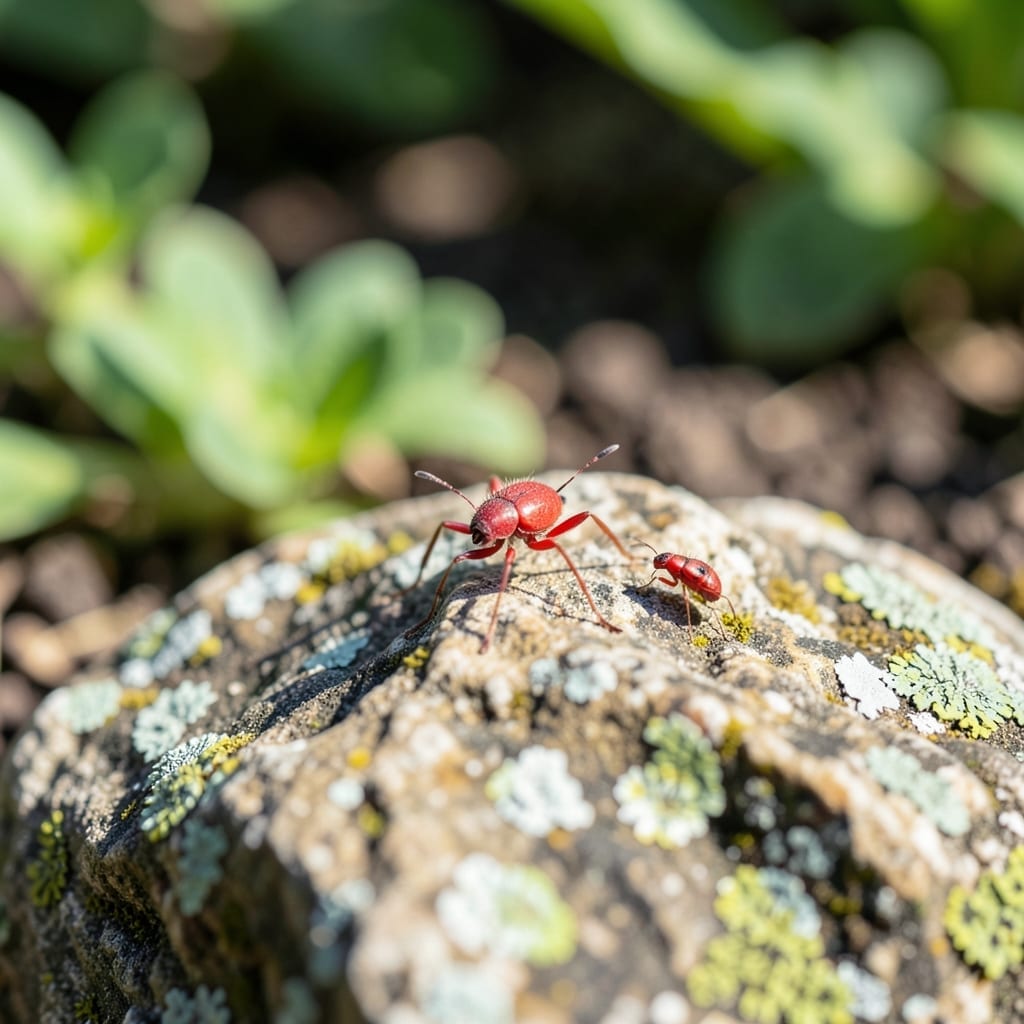
I spotted those tiny red bugs on my garden rocks last summer and panicked. They multiplied fast, turning my peaceful landscape into their personal buffet. Turns out, they’re likely clover mites or spider mites, harmless but annoying.
Here’s the thing—chemical sprays often do more harm than good. I’ve found that a strong blast from the hose dislodges most, while diatomaceous earth creates a barrier they can’t cross. Both methods are pet-safe and plant-friendly.
Within 24 hours, you’ll see a noticeable drop in their numbers. Consistency is key: reapply after rain or watering. The best part? You’re protecting your garden without toxic side effects.
Works for patios, rock gardens, or anywhere these pests pop up. No fancy tools, just smart, natural solutions.
Tiny red bugs on rocks often appear due to specific environmental and biological factors. Understanding these causes can help you address the issue effectively.
Many tiny red bugs, such as clover mites or chiggers, thrive in rocky environments because these areas provide shelter, moisture, and food sources. Rocks retain heat and create microclimates that attract insects seeking warmth and protection from predators. Additionally, algae, moss, or organic debris on rocks serve as a food supply for these pests.
High humidity and damp conditions are major contributors to bug infestations on rocks. Standing water, poor drainage, or frequent rainfall can create an ideal breeding ground. Tiny red bugs, like springtails, are drawn to moisture and often congregate in wet, shaded areas near rocks. Reducing excess water can significantly lower their numbers.
Leaves, twigs, and decaying plant matter around rocks provide both food and hiding spots for tiny red bugs. As organic material decomposes, it releases nutrients that attract pests. Regularly clearing debris from rocky areas disrupts their habitat and discourages infestations.
Rocks absorb and radiate heat, creating warm pockets that tiny red bugs find appealing, especially during cooler seasons. Species like spider mites may migrate to rocks to escape extreme temperatures. Managing vegetation and shading can help stabilize the environment and make it less inviting for pests.
If you’ve spotted tiny red bugs on rocks in your garden, patio, or landscape, don’t panic. These pests—often clover mites, spider mites, or chiggers—can be managed with simple, eco-friendly solutions. Below are targeted fixes for common causes, along with prevention tips to keep them from returning.
Dense plants and leaf litter create the perfect hiding spot for these bugs. Trim back overgrown shrubs, grass, and weeds near rocky areas. Rake up fallen leaves and debris to eliminate their habitat. A tidy yard is far less inviting to pests.
Prevention tip: 💡 Maintain a 2-foot vegetation-free border around rock beds or garden edges to create a natural barrier.
Standing water or damp rocks attract mites and other tiny bugs. Check for poor drainage and redirect water flow with gravel or French drains. If rocks are in pots or planters, ensure they have drainage holes.
Prevention tip: 🌧️ Water plants early in the day so surfaces have time to dry before evening, when bugs are most active.
Stacked or clustered rocks provide shelter for these critters. Temporarily move rocks into the sun to dry them out, as direct sunlight and heat can kill mites. For permanent setups, space rocks apart to reduce hiding spots.
Prevention tip: ✨ Use lighter-colored rocks, which absorb less heat and are less appealing to moisture-loving bugs.
For immediate action, spray infested rocks with a mix of water and dish soap (2 tbsp per gallon) to suffocate bugs. Neem oil or diatomaceous earth (food-grade) can also deter them—apply in the evening for best results.
Prevention tip: 🎯 Reapply natural sprays after rain or every 2–3 weeks during peak pest seasons.
Most are harmless to humans but can damage plants. Clover mites won’t bite but may leave red stains when crushed. Spider mites, however, can harm plants by feeding on sap.
Regularly remove debris, improve drainage, and keep rocks spaced apart. Apply diatomaceous earth as a natural barrier every 2-3 weeks.
Blast them with a strong hose spray to dislodge immediately. For stubborn infestations, use a soap-water mix (2 tbsp per gallon).
Yes, they thrive in spring and fall when temperatures are mild. Warm, humid conditions after rain also trigger their activity.