
Beautiful Plants For Your Interior
Beautiful Plants For Your Interior
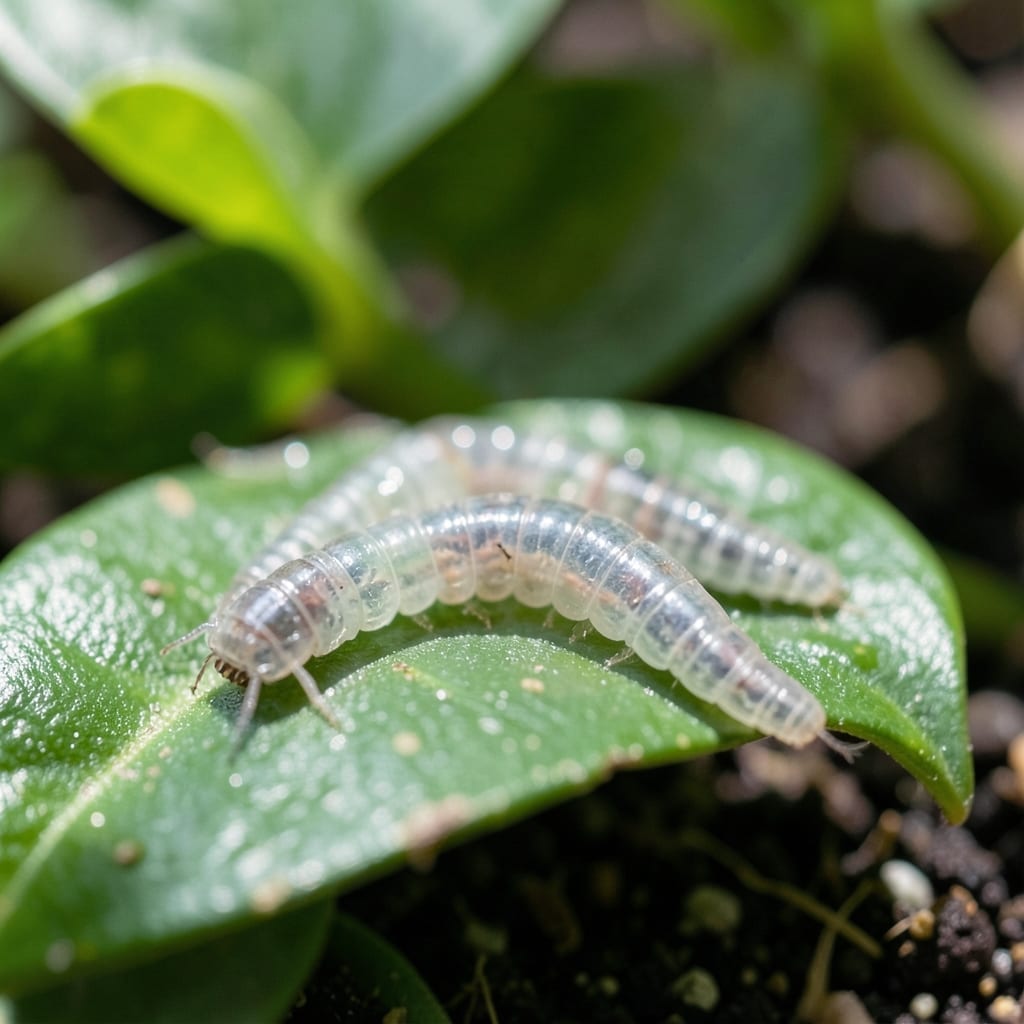
I first noticed them in my kitchen sink—tiny, clear worms squirming in the drain. 🌿 Turns out, these are likely drain fly larvae, and they’re more common than you’d think in damp, organic-rich spots around the house.
They thrive in moist areas like sinks, shower drains, or even overwatered houseplants. The good news? They’re harmless and a sign you just need to tweak your cleaning routine. No harsh chemicals required—just a few natural fixes.
After dealing with them myself, I found that a mix of boiling water, baking soda, and vinegar clears them out fast. The key is consistency: repeat the treatment for a week to break their life cycle.
You’ll see results within days, and with regular maintenance, they won’t return. Here’s how to tackle it without the fuss.
Tiny clear worms in your home often appear due to specific environmental or hygiene-related triggers. Below are the most common causes, explained with actionable insights.
Many clear worms, such as drain fly larvae or fungus gnat larvae, thrive in damp environments. Leaky pipes, wet basements, or even overwatered houseplants create ideal breeding grounds. These worms feed on organic matter in moist areas, like sink drains or decaying plant soil. Fix it: Use a dehumidifier and repair leaks promptly.
Food scraps, grease, or rotting organic material in garbage disposals, trash cans, or compost bins attract worms like maggots (fly larvae) or nematodes. Even small crumbs in hidden corners can sustain them. Fix it: Clean drains weekly with baking soda and vinegar, and take out trash regularly.
Clear worms, often fungus gnat larvae, may hitchhike into your home via contaminated potting soil. They feed on fungi and decomposing plant roots. Overwatering exacerbates the problem. Fix it: Let soil dry between waterings and repot plants with sterile soil if infested.
Worms can migrate indoors through gaps in doors, windows, or foundation cracks. Moth larvae (like Indian meal moths) or earthworms may appear after heavy rain. Fix it: Seal entry points with caulk and install door sweeps.
Tackling an infestation of tiny clear worms in your home starts with identifying the source and applying targeted fixes. Below are practical solutions mapped to common causes, along with prevention tips to keep them from returning.
Fix: Inspect pantries, pet food, and garbage areas for infested items. Discard contaminated food in sealed bags and immediately take it outdoors. Wipe shelves with vinegar or soapy water to remove eggs and larvae.
Prevent: Store dry goods in airtight glass or plastic containers. Keep trash bins sealed and empty them regularly.
Fix: Use a dehumidifier in damp areas like basements or under sinks. Fix leaky pipes or faucets, and dry wet spots with a fan. For drain worms (like drain fly larvae), pour a mix of baking soda + boiling water down the drain weekly.
Prevent: Ventilate bathrooms and kitchens. Wipe up spills promptly and check for hidden moisture behind appliances.
Fix: For visible worms, use a vacuum with a HEPA filter to suck them up (dispose of the bag outside). Apply diatomaceous earth (food-grade) to cracks, baseboards, and entry points—it dehydrates larvae naturally. For severe cases, use nematode-based sprays labeled for indoor pests.
Prevent: Seal gaps around windows, doors, and pipes with caulk. Regularly clean hidden areas like behind the fridge or under furniture.
Fix: Wash pet bowls daily with hot, soapy water. Freeze or heat-treat pet food to kill larvae (check packaging for safety). Clean litter boxes frequently and sprinkle diatomaceous earth around them (avoid direct contact with pets).
Prevent: Store pet food in sealed containers and avoid leaving it out overnight.
💡 Pro Tip: Consistency is key! Repeat treatments every 7–10 days to break the life cycle, as eggs may hatch later.
These worms are typically harmless and don’t bite or transmit diseases. They’re mainly a nuisance. Keep pets away from them as a precaution, though.
Inspect sink and shower drains for slimy residue or larvae. If you see them there, they’re likely drain fly larvae. A quick test with baking soda + boiling water can confirm.
Pour boiling water + vinegar down drains or use a vacuum for visible worms. Repeat daily for 3-5 days to break their life cycle.
Yes, if left unchecked. Store dry goods in airtight containers and check pantries for signs of contamination. Toss infested items immediately.