
Beautiful Plants For Your Interior
Beautiful Plants For Your Interior
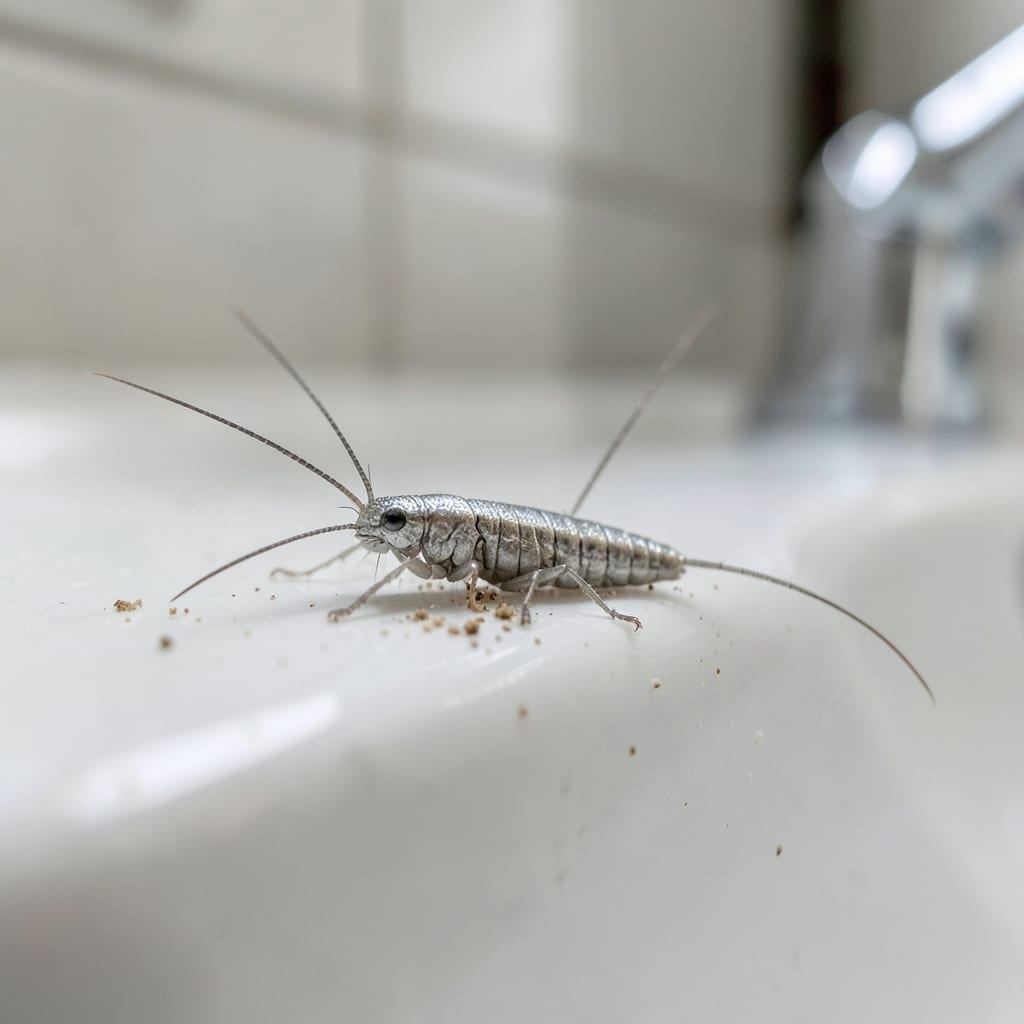
I noticed those tiny bugs with long antennas in my bathroom last summer. They appeared overnight, clustering near the sink and shower corners. At first, I assumed they were baby cockroaches, but they were far smaller and moved differently.
Turns out they were likely drain flies or booklice, both common in damp spaces. The good news? Neither bites, and both are more annoying than harmful. The bad news? They multiply quickly in moist environments.
After some trial and error, I found safe, effective ways to evict them without harsh chemicals. The key is addressing the moisture source and eliminating their breeding grounds.
Here’s how to identify them properly and send them packing for good.
These tiny, antennaed intruders are usually drain flies or booklice, and their presence in your bathroom is no accident. Below are the most common causes, explained with science-backed clarity.
Bathrooms are humid by design, and stagnant water is a magnet for bugs. Drain flies, for instance, thrive in biofilm—a slimy layer of bacteria and organic matter that coats moist pipes. Booklice, meanwhile, feed on mold spores, which flourish in damp grout or under leaky sinks. Without proper ventilation, moisture lingers, creating a perfect breeding ground.
Even microscopic debris—hair, soap scum, or skin cells—can sustain these pests. Drain flies lay eggs in gel-like films inside drains, where decaying matter provides nourishment for larvae. Booklice graze on fungal growth in old caulk or damp towels. Regular cleaning disrupts this food chain.
Closed windows and weak exhaust fans let humidity stagnate. High humidity (above 60%) accelerates mold growth and attracts moisture-loving insects. Installing a dehumidifier or running the bathroom fan longer can break this cycle.
Gaps around pipes, loose tiles, or torn screens offer easy access. Tiny bugs with long antennae can squeeze through cracks as thin as a credit card. Sealing entry points with silicone caulk or steel wool deters future invaders.
Dealing with tiny bugs with long antennae in your bathroom? Here’s how to tackle the most common causes and keep them from coming back.
If the bugs resemble fuzzy moths and linger near drains, they’re likely drain flies. Pour a mix of baking soda and vinegar down the drain, followed by boiling water to kill larvae. For stubborn infestations, use a drain brush to scrub away organic buildup. Prevent future outbreaks by covering drains with fine mesh or keeping them dry between uses.
Many antennae-sporting bugs thrive in damp environments. Run a dehumidifier or improve ventilation with an exhaust fan. Wipe down wet surfaces daily, and fix leaky faucets or pipes promptly. Pro tip 💡: Store towels and bath mats outside the bathroom to let them dry completely.
Small bugs may be feeding on decaying organic matter in your trash can or hidden corners. Empty and disinfect your bathroom trash regularly, and use a lined bin with a tight lid. Check under sinks and behind toilets for forgotten spills or old sponges—these can attract pests like booklice or silverfish.
Tiny bugs can squeeze through the smallest openings. Inspect windows, baseboards, and pipes for gaps, and seal them with caulk or weatherstripping. Pay special attention to areas where moisture collects, as these are prime entry points for pests seeking water.
Final prevention tip ✨: Keep your bathroom clutter-free and perform weekly checks for standing water or organic debris. A little consistency goes a long way in keeping these critters out for good!
No, these tiny insects don’t bite or spread diseases. They’re mostly a nuisance and thrive in damp areas.
Drain flies look like fuzzy moths and hover near drains. Booklice are smaller, wingless, and often found on walls or in damp books.
Bleach can kill them on contact but won’t eliminate eggs or larvae. For drains, use baking soda and vinegar instead for a safer, deeper clean.
In ideal damp conditions, drain flies can complete their life cycle in 1-3 weeks. Booklice reproduce rapidly too, so act fast to break the cycle.