
Beautiful Plants For Your Interior
Beautiful Plants For Your Interior
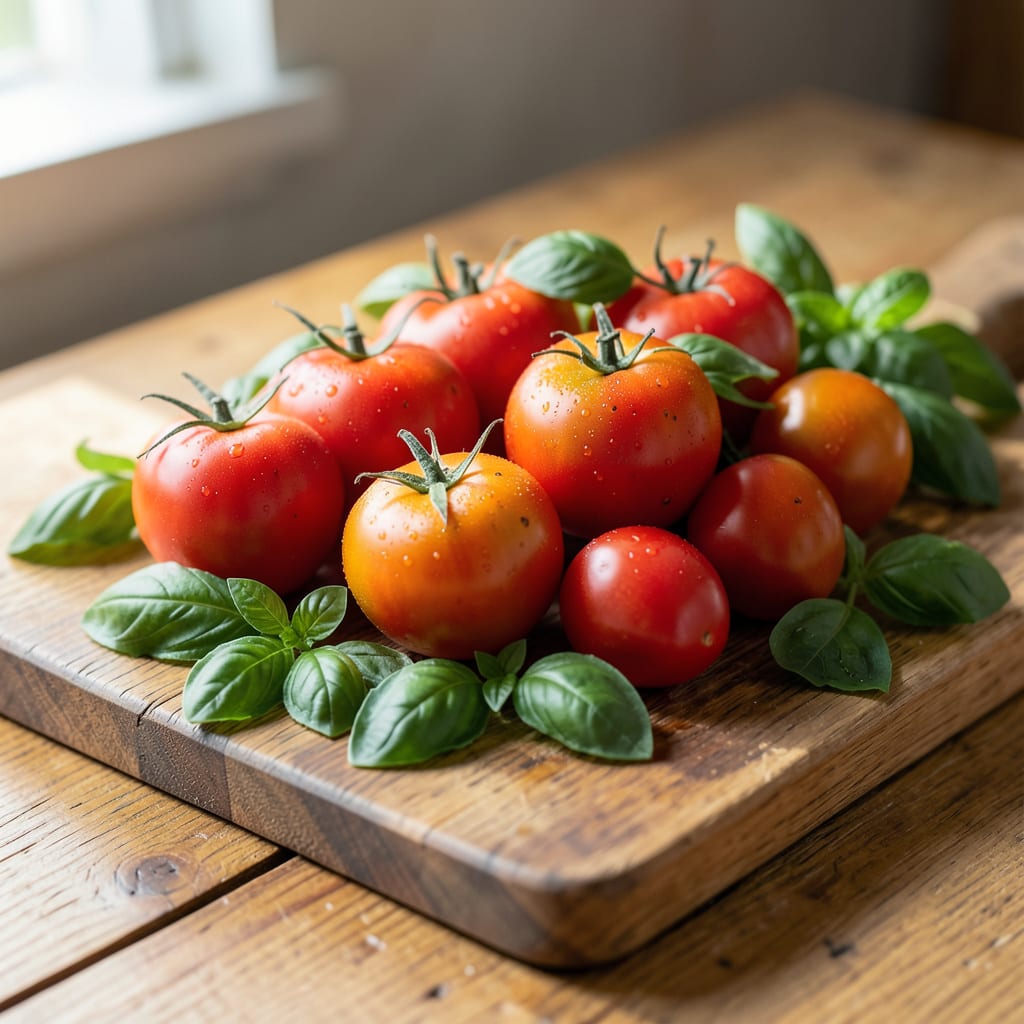
Those tiny brown spots on your tomatoes can be alarming. I’ve seen my share of them—some harmless, some not—and knowing the difference saves both your harvest and your peace of mind.
Most often, these spots come from early blight, environmental stress, or even just uneven watering. The good news? Many causes don’t make the fruit unsafe to eat. Still, proper identification is key before you take a bite.
I’ll walk you through what to look for and when to toss the fruit. With a few adjustments, you can prevent future spots and keep your plants healthy and productive all season long.
No fancy tools required—just sharp eyes and a little know-how. Let’s figure this out together.
The appearance of tiny brown spots on tomatoes is often a sign of underlying issues, ranging from environmental stress to disease. Here’s a breakdown of the most common causes:
Alternaria solani, the fungus behind early blight, thrives in warm, wet conditions. It starts as small, dark brown spots with concentric rings on lower leaves, eventually spreading to the fruit. The spores overwinter in soil and plant debris, so rotating crops and removing infected plants can prevent recurrence.
While blossom end rot typically causes larger, leathery patches, extreme heat or inconsistent watering can lead to tiny brown spots. Sunscald occurs when tomatoes are exposed to direct, intense sunlight, especially after pruning. Ensure consistent moisture and shade cloth in peak summer to mitigate this.
Stink bugs pierce tomato skins to feed, leaving behind small, corky brown spots where they inject digestive enzymes. Spider mites, on the other hand, cause stippling or bronzing. Neem oil or insecticidal soap can deter these pests, while row covers act as a physical barrier.
Uneven watering disrupts calcium uptake, leading to localized tissue breakdown—sometimes appearing as tiny brown specks. A soil test can confirm deficiencies. Amend soil with gypsum (calcium sulfate) or a balanced fertilizer to restore nutrient balance.
If you’ve spotted tiny brown spots on your tomatoes, don’t toss them just yet! Here’s how to address the most common causes and prevent future issues.
Add crushed eggshells or calcium-rich fertilizer to the soil. Water consistently to help roots absorb calcium. Prevention tip: Test soil pH—aim for 6.5–7.0 to avoid nutrient lockout. 💡
Remove infected leaves and space plants 2–3 feet apart. Apply copper fungicide or baking soda spray (1 tbsp baking soda + 1 gallon water + a drop of dish soap). Prevention tip: Water at the base (not leaves) to reduce moisture. 🌡️
Spray neem oil or introduce beneficial insects like ladybugs. Handpick pests (e.g., aphids) off leaves. Prevention tip: Rotate crops yearly to disrupt pest cycles. ✨
Shield plants from extreme heat with shade cloth. Mulch to retain moisture. Prevention tip: Water early morning to avoid sunscald. 🎯
Early blight, pest damage, or environmental stress are common culprits. Fungal infections often create concentric rings, while pests leave tiny corky marks.
Most are safe if the flesh underneath looks healthy. Cut out affected areas to be sure. Avoid eating if spots are mushy or smell foul.
Rotate crops, improve airflow, and maintain consistent watering. Use mulch to prevent soil-borne diseases from splashing onto plants.
Remove affected leaves and apply copper fungicide for fungal issues. For pests, use neem oil immediately.
