
Beautiful Plants For Your Interior
Beautiful Plants For Your Interior
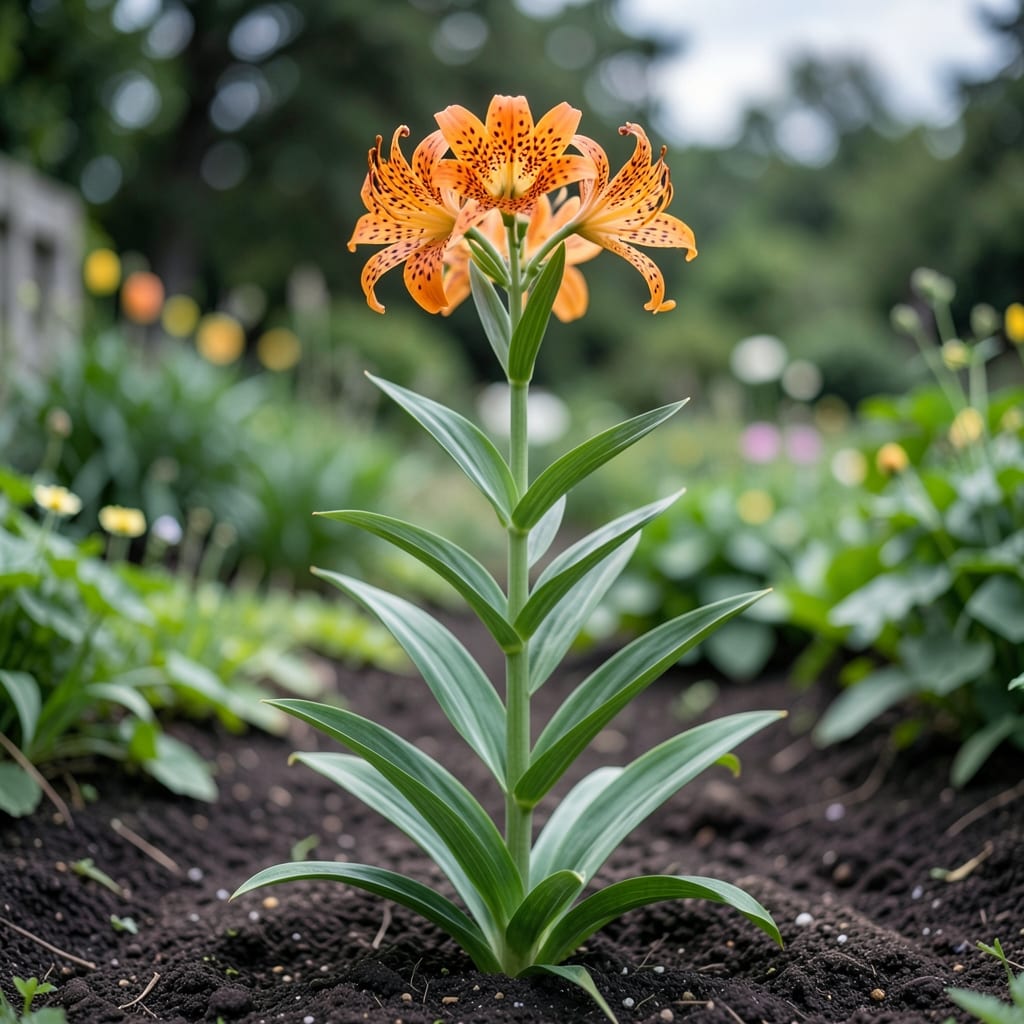
Those bold orange blooms come with a warning. Tiger lily leaves can cause severe reactions in both humans and pets if not handled properly, and I’ve seen firsthand how quickly a simple touch can turn problematic.
Here’s the thing—most issues stem from the pollen, but the leaves carry risks too. With basic precautions and a little awareness, you can enjoy their beauty without worry. Safe handling starts with knowing what to avoid.
📚 In This Guide
Here’s how I protect myself and my pets while working around these striking but potentially dangerous plants.
Tiger lilies are recognizable by their bold orange flowers with dark spots, but it’s the leaves you need to watch for. All parts of the plant contain toxic compounds, with the highest concentration in the leaves and stems. I always double-check identification using a reliable field guide, since some harmless lookalikes share similar features.
The leaves are long, lance-shaped, and grow in whorls around the stem. Even dried leaves retain toxicity, so don’t assume they’re safe after the plant has finished blooming. I’ve learned to treat every part of the plant as potentially hazardous until confirmed otherwise.
I never touch tiger lily leaves with bare hands. The toxins can cause skin irritation in sensitive individuals, and accidental transfer to your mouth or eyes could lead to more serious reactions. Long sleeves, sturdy gloves, and safety glasses form my minimum protection.
After handling, I wash my hands thoroughly with soap and warm water, even if I wore gloves. It’s a simple step that prevents accidental exposure. I also keep a separate pair of gardening tools just for working with potentially toxic plants to avoid cross-contamination.
Cats are particularly vulnerable to tiger lily toxicity, with even small amounts potentially causing kidney failure. I’ve completely removed these plants from areas accessible to my pets. If you must keep them, place them in high containers where curious paws can’t reach.
Watch for fallen leaves too—pets might investigate these on the ground. I check my garden daily during the growing season and immediately remove any plant debris. When in doubt, I err on the side of caution and keep pets indoors when working with these plants.
In humans, skin contact may cause redness or itching. If ingested, symptoms can include nausea, vomiting, or diarrhea within 2-6 hours. I keep the Poison Control Center number saved in my phone for emergencies, and I’m not afraid to use it if I suspect exposure.
For pets, early signs include drooling, vomiting, or lethargy. These can progress to more severe symptoms like tremors or seizures if untreated. I’ve made sure my veterinarian knows exactly which plants I have in my garden, so they can provide the fastest possible treatment if needed.
Never compost tiger lily leaves or stems—the toxins persist and could contaminate your compost. I seal all plant material in heavy-duty plastic bags before disposal. Check your local regulations, as some areas have specific guidelines for toxic plant disposal.
When pruning, I use a dedicated pair of shears that I clean thoroughly afterward with a 10% bleach solution. This prevents any residual toxins from affecting other plants or surfaces. It’s an extra step that gives me peace of mind when working in my garden.
Handling these plants safely requires attention to detail and proactive measures.
Identification Caution: Confession: I once misidentified a lookalike and nearly had a scare. Always use a reliable field guide as mentioned in Step 1—those bold orange flowers with dark spots are distinctive, but the leaves are the real concern. Even dried ones remain toxic, so treat every part as hazardous until confirmed otherwise.
Protective Gear Essentials: In Step 2, the minimum protection is non-negotiable. Long sleeves, sturdy gloves, and safety glasses create a barrier against accidental exposure. I learned the hard way that washing hands even after wearing gloves prevents cross-contamination—those toxins are sneaky.
Pet Safety Protocol: Cats are especially vulnerable, as Step 3 emphasizes. I removed all tiger lilies from pet-accessible areas, but if you keep them, use high containers. Daily garden checks for fallen leaves are crucial—pets are curious, and even small amounts can cause serious harm.
Disposal Method: Step 5’s warning about composting is critical. Sealing plant material in heavy-duty bags prevents toxin spread. That 10% bleach solution for cleaning tools isn’t overkill—it’s the only way to ensure no residual toxins linger on your gardening equipment.
Yes, tiger lily leaves are highly toxic to cats. Ingesting any part of the plant can cause severe kidney damage or even be fatal. Keep them far from pets and seek immediate vet care if ingestion occurs.
Wear gloves when touching tiger lily leaves to avoid skin irritation or allergic reactions. Wash your hands thoroughly afterward, and avoid touching your face or mouth during handling.
Contact your vet or an animal poison control center immediately. Remove any plant remnants from their mouth and monitor for symptoms like vomiting or lethargy.
Yes! Pet-safe options include spider plants, Boston ferns, or marigolds. These add beauty without the toxicity risks associated with tiger lilies.
Yellow leaves may indicate overwatering, poor drainage, or nutrient deficiencies. Check soil moisture and ensure proper drainage. Adjust care as needed to restore plant health.