
Beautiful Plants For Your Interior
Beautiful Plants For Your Interior
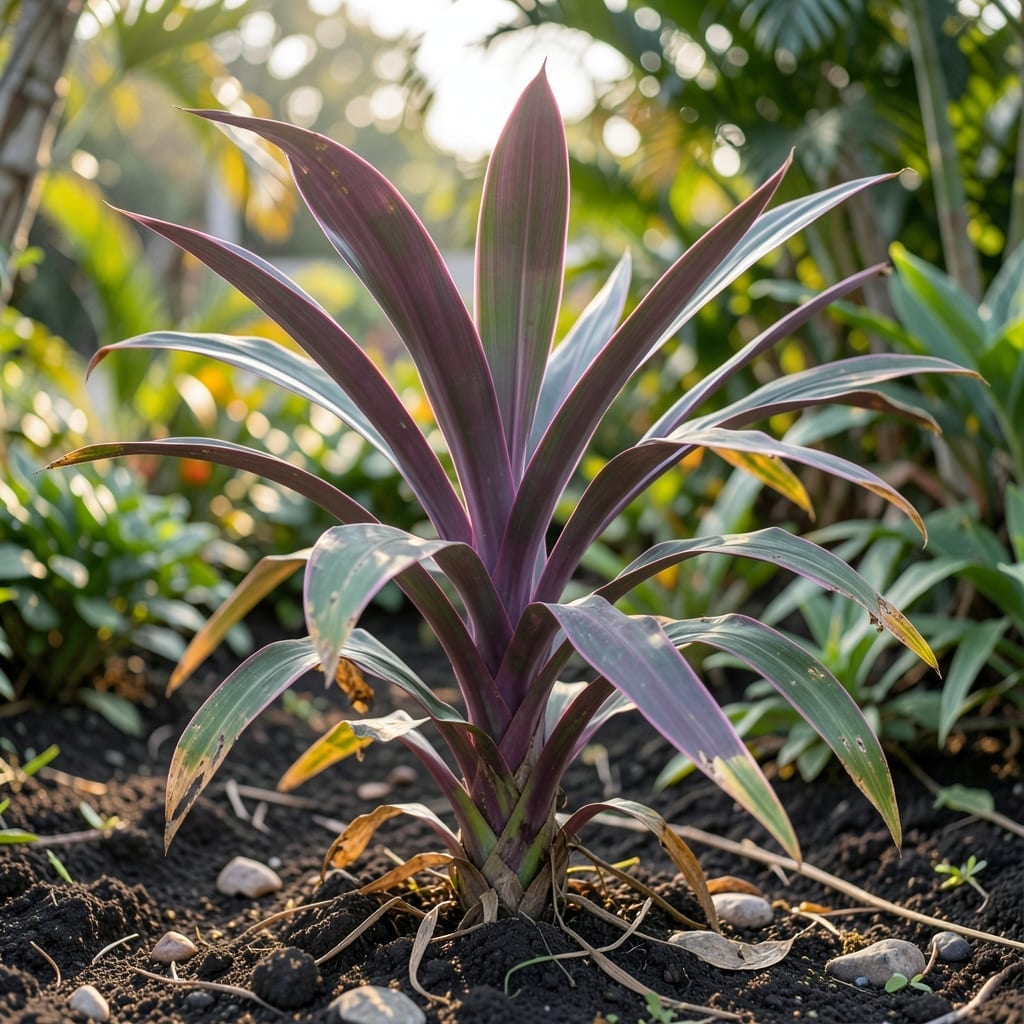
You know the Ti Plant for its bold, colorful leaves that light up any space. But did you know this tropical beauty can also produce stunning blooms under the right conditions?
I’ve seen gardeners struggle for years to get their 🌿 Ti Plants to flower. The truth is, it’s not about luck—it’s about knowing the exact triggers that encourage blooming.
From light and temperature to a few surprising techniques, there are simple ways to coax those rare, vibrant flowers from your Cordyline fruticosa.
Let me walk you through the secrets to turning your Ti Plant into a flowering showstopper.

I’ve found that ti plant blooms are a rare treat, often surprising even experienced gardeners. The Cordyline fruticosa typically flowers only when it reaches maturity, usually after 2-3 years of growth. These blooms appear as clusters of small, star-shaped flowers in vibrant hues. 🌿
To encourage blooming, you’ll need to mimic its native tropical conditions. This means providing consistent warmth, high humidity, and the right amount of light. Without these, your ti plant may focus on foliage instead of flowers.
| Requirement | Specification |
|---|---|
| Maturity Age | 2-3 years |
| Light Needs | 4-6 hours of sunlight |
| Temperature | 70-85°F |
| Humidity | High (60-80%) |
| Seasonal Trigger | Spring to Summer |
| USDA Zones | 10-12 |
The light needs of a ti plant are crucial for blooming. I recommend placing it where it gets bright, indirect light for most of the day. Direct sunlight can scorch the leaves, but too little light may prevent flowering altogether. ☀️
Temperature plays a huge role too. Ti plants thrive in warm climates and can’t tolerate frost. If you’re in a cooler zone, consider growing it in a container so you can move it indoors during winter. Consistent warmth is key to triggering blooms.
I’ve noticed that humidity levels above 60% help mimic the ti plant’s natural habitat. If your air is dry, try mist the leaves regularly or use a humidifier nearby. This extra moisture can make all the difference. 💧
Another important factor is soil quality. Ti plants prefer well-draining soil that’s rich in organic matter. I always mix in compost or peat moss to improve drainage and fertility. Soggy roots are a sure way to prevent blooms.
Seasonal changes can act as a bloom trigger. In its native environment, the ti plant often flowers in response to longer daylight hours in spring and summer. If your plant isn’t blooming, it might need more consistent conditions year-round.
Remember, patience is key. Even with perfect conditions, some ti plants take their time to bloom. I’ve had plants that surprised me with flowers after years of growth. Don’t give up if yours isn’t ready yet! 🌱
Finally, keep an eye out for pests or diseases, as these can stress the plant and inhibit blooming. Regularly check the undersides of leaves for signs of trouble, and treat issues promptly to keep your ti plant healthy and happy.
Getting your ti plant to bloom can feel like solving a tropical puzzle. I’ve found that strategic stress is often the key—these plants often flower when slightly root-bound.
Another effective method is adjusting your fertilizer. Switch to a high-phosphorus formula in early spring to encourage bud formation rather than leaf growth.
I also recommend pruning back older canes in late winter. This stimulates new shoots that are more likely to produce flower spikes the following season.
Light exposure is critical. Move potted ti plants to a sunnier spot as spring approaches, ensuring they get 6-8 hours of bright, indirect light daily.
Don’t overlook water management. Allow the top 1-2 inches of soil to dry between waterings. This slight drought stress can signal the plant to enter its blooming phase.
Finally, patience pays off. Mature ti plants (3+ years old) are far more likely to bloom, so give your plant time to establish itself before expecting flowers. 🌿