
Beautiful Plants For Your Interior
Beautiful Plants For Your Interior
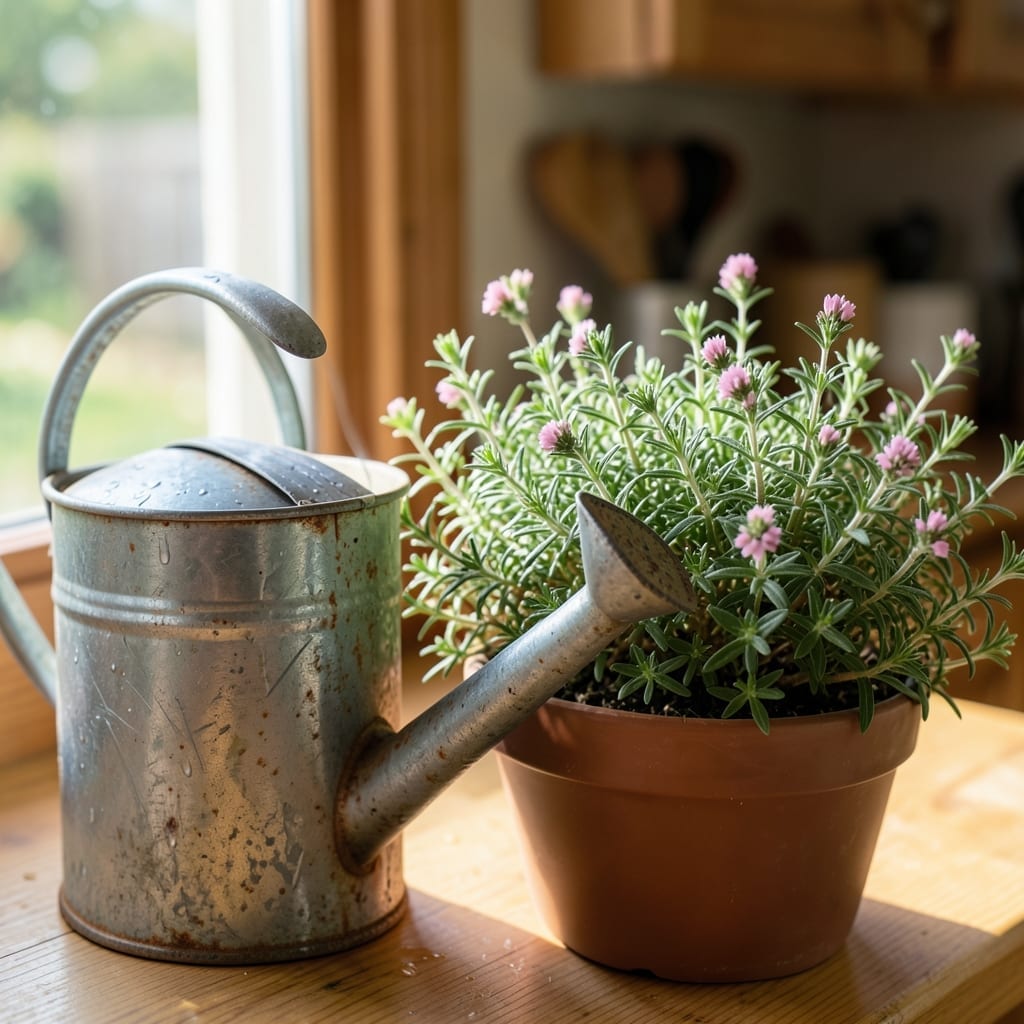
Thyme is a hardy, drought-tolerant herb, but getting its water needs right is the key to a lush, flavorful harvest. Overwatering can be just as harmful as underwatering for this Mediterranean native.
I’ve learned that 🌿 Thyme thrives when its soil is kept just right—not too wet, not too dry. It’s all about finding that sweet spot for consistent growth.
Whether you’re growing it in containers or the ground, understanding its preferences will save you from common mistakes. Let me show you how to keep it happy.
With the right approach, you’ll discover how simple it is to maintain healthy thyme all season long.
As a Mediterranean native, thyme thrives in dry conditions and prefers minimal watering. This herb has evolved to survive with little moisture, making it ideal for gardeners who want a low-maintenance plant. Its natural habitat gives us clues about its care.
I’ve found that established thyme can go weeks without water, but young plants need more attention. The key is well-draining soil to prevent root rot. Sandy or rocky soil mimics its native environment perfectly.
When I water my thyme, I always check the soil first. If the top inch is dry, it’s time to water. Overwatering leads to yellow leaves or mushy stems, while underwatering causes dry, brittle foliage. Balance is everything.
For container-grown thyme, I water every 5-7 days since pots dry out faster. In the ground, every 10-14 days works well in most climates. Always water deeply to encourage strong root growth. Shallow watering leads to weak plants.
In hot summer months, I increase watering to every 5 days, but I’m careful not to drown it. Thyme hates soggy roots, so I use a soil moisture meter to be precise. It’s a small investment that saves a lot of guesswork.
During winter dormancy, I cut back to monthly watering. The plant rests and needs very little. Too much water in cold months can be fatal. I also avoid overhead watering to prevent fungal diseases.
If you notice wilting leaves, don’t panic. Thyme often perks up after a good drink. But if the soil smells sour, it’s a sign of root rot, and you should hold off on watering for a while.
For the healthiest thyme, I recommend mulching lightly with gravel or sand. This helps retain moisture without suffocating the roots. It also keeps the foliage dry, reducing disease risk.
Remember, thyme is forgiving and resilient. Even if you make a mistake, it often bounces back. Just observe your plant, adjust as needed, and enjoy the process of growing this versatile herb 🌿
As a Mediterranean herb, thyme thrives with minimal water but needs adjustments as seasons change. I’ve found that spring and fall require more attention than summer or winter.
In hot summers, I water my thyme every 5-7 days, ensuring the soil doesn’t dry out completely.Winter dormancy means monthly watering is often enough to keep roots alive.
For container-grown thyme, I check soil moisture more frequently since pots dry out faster. A finger test in the top inch of soil helps me decide when to water.
Morning watering is ideal because it allows foliage to dry before evening, reducing fungal risks. I avoid overhead watering to keep leaves dry and healthy.
In cool climates, thyme may need less water than in arid regions. I adjust based on rainfall and soil drainage. Well-draining soil is non-negotiable for this herb.
Watch for yellowing leaves or wilting, which can signal overwatering or underwatering. Thyme prefers dry conditions over soggy soil, so when in doubt, I wait an extra day.
🌿