
Beautiful Plants For Your Interior
Beautiful Plants For Your Interior
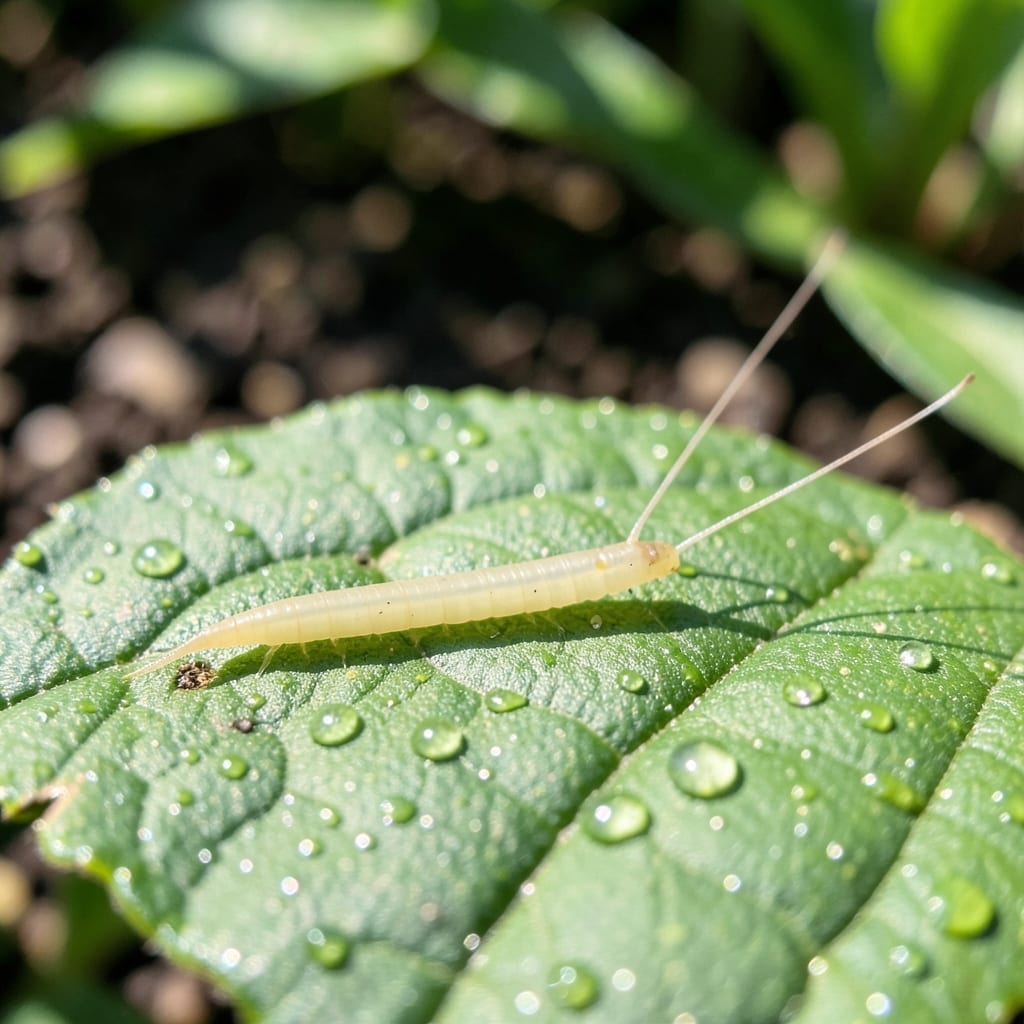
I spotted my first thin worm with antennae last spring and panicked. 🌱 These pests look harmless but can wreak havoc on your plants if left unchecked.
They’re sneaky—often hiding under leaves or in soil during the day. I learned the hard way that early detection is key. Once you know what to look for, spotting them becomes second nature.
Prevention starts with healthy soil and regular inspections. A little vigilance goes a long way in keeping these critters from taking over your garden.
With the right approach, you’ll protect your plants without harsh chemicals. Here’s how to stay one step ahead of these unwelcome visitors.
Understanding why thin worms with antennae appear in your garden is key to preventing their spread. These pests, often nematodes or certain larval insects, thrive under specific conditions. Below are the primary causes of their emergence.
Excess moisture creates an ideal habitat for these pests. Overwatering or compacted soil with poor drainage traps water, fostering the growth of nematodes and other soil-dwelling organisms. Actionable fix: Improve drainage by adding organic matter like compost or sand to loosen the soil.
These pests are most active in warm, humid climates. High humidity accelerates their life cycle, leading to rapid infestations. Actionable fix: Use mulch to regulate soil temperature and reduce humidity near plant bases.
Planting the same crops in the same spot year after year depletes soil nutrients and allows pests to establish permanent colonies. Actionable fix: Rotate crops annually to disrupt pest life cycles and maintain soil health.
Decaying leaves, fallen fruits, or untended plant debris provide food and shelter for these pests. Actionable fix: Regularly clear garden debris and practice proper sanitation to eliminate breeding grounds.
Dealing with these slender, antenna-bearing pests in your garden doesn’t have to be a headache. Here’s how to tackle the problem head-on with practical, easy-to-follow solutions.
If the infestation is small, the simplest solution is to handpick the pests. Wear gloves and inspect plants closely, especially the undersides of leaves. Drop them into a bucket of soapy water to ensure they don’t return.
Mix 1 teaspoon of mild dish soap with 1 quart of water and spray it directly onto the pests. The soap breaks down their protective coatings, leading to dehydration. Reapply every few days until they’re gone.
Encourage beneficial insects like ladybugs, lacewings, or parasitic wasps, which feed on these pests. Plant nectar-rich flowers or purchase these predators from garden centers to introduce them to your space.
Dilute neem oil with water and a few drops of dish soap, then spray it on affected plants. Neem disrupts the pests’ life cycle and acts as a repellent. Use it in the early morning or late evening for best results.
Yes, they can damage roots and foliage if left unchecked. Some species feed on plant sap, weakening growth over time. Early removal prevents serious harm.
Look for slender, segmented bodies with long antennae near soil or leaf undersides. They’re often 1-2 inches long and move quickly when disturbed.
Use crop rotation, remove debris, and introduce beneficial insects like ladybugs. These methods disrupt their life cycle naturally.