
Beautiful Plants For Your Interior
Beautiful Plants For Your Interior
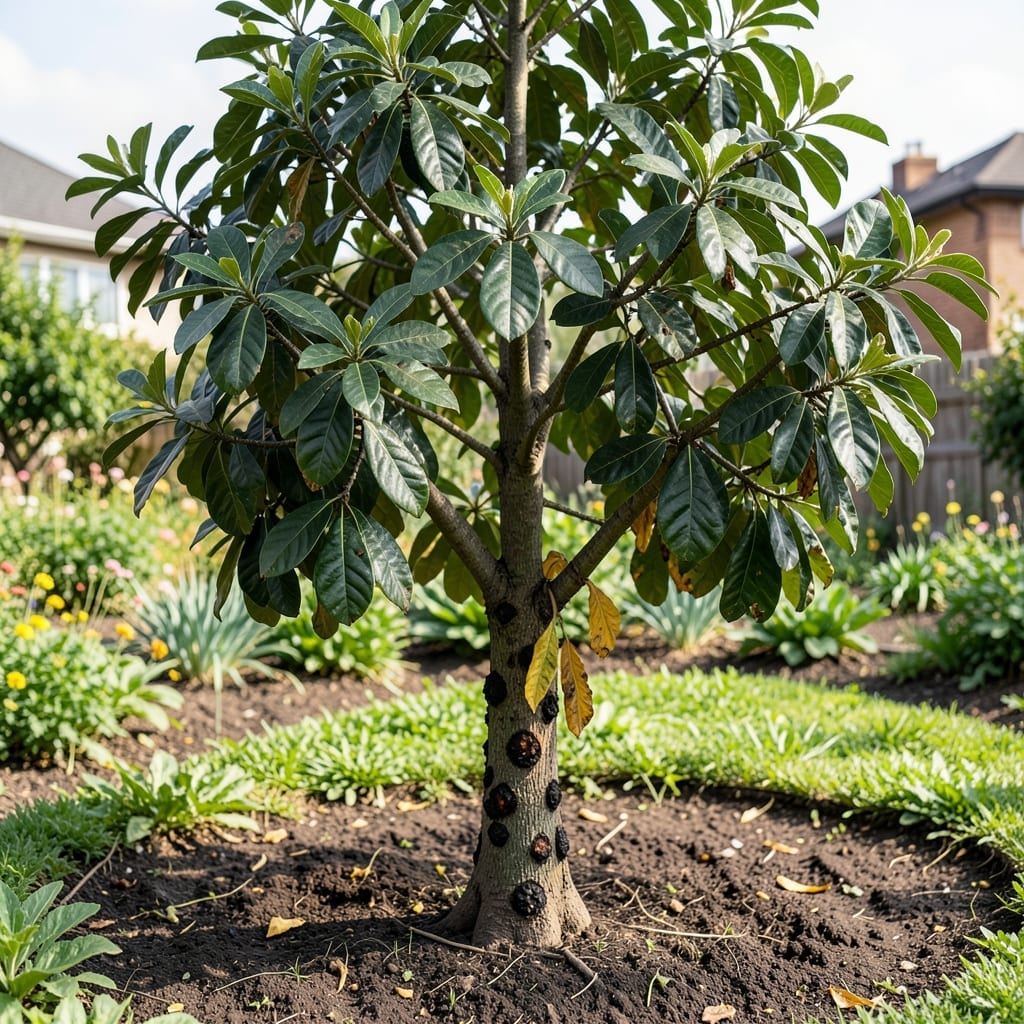
Spotted blackened bark or wilting leaves on your tree? Thielaviopsis trunk rot might be the culprit. This silent killer starts small but can take down mature trees if left unchecked.
I learned the hard way—what looks like drought stress or nutrient deficiency often masks this fungal disease. The first sign is usually dark, sunken cankers on the trunk, often oozing in wet weather.
Early action saves trees. Remove infected bark, improve drainage, and apply fungicide to healthy tissue. Prevention is simpler: avoid wounding trees and sterilize pruning tools between cuts.
Works for oaks, maples, and fruit trees. Catch it early, and your trees can recover fully.
Thielaviopsis trunk rot doesn’t appear out of nowhere—it thrives under specific conditions. Understanding these triggers helps you prevent and manage the issue effectively.
The primary cause is the fungus Thielaviopsis paradoxa, a soilborne pathogen that enters trees through wounds, pruning cuts, or natural openings. It spreads via contaminated tools, infected plant debris, or water splashing from soil to trunk. Once inside, the fungus colonizes the vascular system, blocking water and nutrient transport.
Overwatering, heavy clay soils, or poor drainage create the perfect damp environment for Thielaviopsis to take hold. Trees stressed by waterlogged roots are more susceptible to infection, as their defenses weaken. Standing water also promotes fungal spore movement.
Physical damage—from pruning, storms, or mechanical injury—provides direct entry points for the fungus. Improperly sanitized pruning tools can transfer spores between plants. Even small cracks in the bark or sunburnt tissue (from sudden exposure) increase vulnerability.
Drought, extreme temperatures, or nutrient deficiencies stress trees, reducing their ability to resist infection. Weakened trees produce fewer defensive compounds, making them easy targets for Thielaviopsis. Over-fertilization, especially with high nitrogen, can also soften tissue, aiding fungal invasion.
Tackling Thielaviopsis trunk rot starts with prompt action and smart prevention. Below are targeted solutions for common causes, paired with practical tips to keep your trees healthy long-term.
If you spot dark, sunken cankers or oozing sap, remove infected branches immediately. Use sterilized pruning shears to cut at least 6–12 inches below the visible damage. Disinfect tools between cuts with a 10% bleach solution or rubbing alcohol to prevent spreading the fungus. Pro tip 💡: Prune during dry weather to reduce fungal spread.
Dense canopies trap moisture, creating a playground for Thielaviopsis. Thin out overlapping branches to boost airflow and lower humidity around the trunk. Space trees appropriately during planting—follow species-specific guidelines for mature width. Pro tip 🌬️: Mulch lightly (2–3 inches deep) and keep it 6 inches away from the trunk to avoid excess moisture.
For active infections, copper-based fungicides (e.g., Bordeaux mixture) can help. Apply to the trunk and wounds after pruning, following label instructions. Repeat every 2–4 weeks during wet seasons. Pro tip ✨: Rotate fungicides to prevent resistance, and always wear protective gear when handling chemicals.
A stressed tree is a magnet for disease. Fertilize based on soil tests to address deficiencies, and water deeply but infrequently to encourage deep root growth. Avoid overhead irrigation to keep the trunk dry. Pro tip 🎯: Plant resistant species (e.g., certain oak or maple varieties) in high-risk areas.
Thielaviopsis thrives on dead wood and debris. Remove and destroy (do not compost) all infected plant material. Clean up fallen leaves, fruit, and pruning waste promptly. Pro tip 🧹: Disinfect garden tools and equipment regularly, especially after working with infected trees.
Look for dark, sunken cankers on the trunk, oozing sap, or wilting leaves. These are classic early signs.
Yes! Remove infected branches 6–12 inches below visible damage using sterilized tools. Always prune during dry weather.
Certain oak and maple varieties show better resistance. Check species-specific guidelines when planting.
No—destroy it to prevent further spread. Composting may allow the fungus to survive and reinfect.