
Beautiful Plants For Your Interior
Beautiful Plants For Your Interior
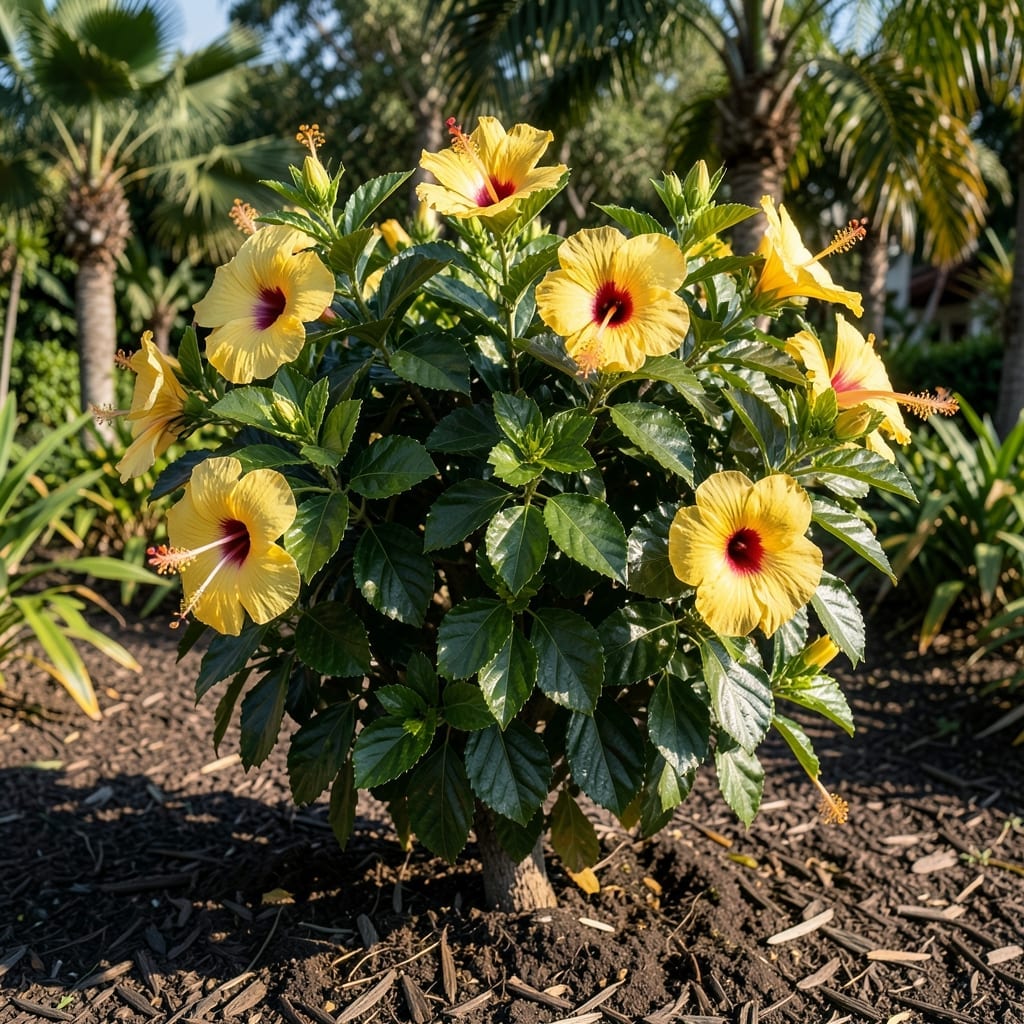
This tropical stunner stops every visitor in their tracks. I planted my first Tequila Yellow Hibiscus three years ago, and it’s been the centerpiece of my garden ever since with its vibrant golden blooms and lush, glossy leaves.
It thrives in full sun and well-draining soil, rewarding you with daily flowers throughout the growing season. The key is consistent moisture without waterlogging—once you nail that, this plant practically grows itself.
📚 In This Guide
Here’s the method I rely on to cultivate these vibrant tropical blooms successfully.
Choose a spot receiving full sun to partial shade, as these hibiscus thrive with 6-8 hours of direct sunlight daily. The location should offer protection from strong winds, which can damage the large, delicate flowers. I’ve found that a south or west-facing position works best in most climates.
Ensure the soil is well-draining yet retains moisture—hibiscus prefer consistently damp but not waterlogged conditions. Test drainage by digging a 1-foot hole, filling it with water, and observing how quickly it empties. If water remains after 4 hours, amend the soil with organic matter.
Hibiscus flourish in slightly acidic to neutral soil with a pH between 6.0 and 7.0. I always incorporate plenty of organic compost to improve fertility and structure. Work the compost into the top 12 inches of soil to create a loose, nutrient-rich bed.
A 2-3 inch layer of organic mulch around the base helps retain moisture and regulate soil temperature. Keep the mulch a few inches away from the stem to prevent rot. This step is crucial for maintaining the consistent moisture these tropical plants love.
Dig a hole twice as wide and just as deep as the root ball. Place the plant in the hole, ensuring the top of the root ball sits slightly above ground level to prevent settling. Backfill with native soil, pressing gently to remove air pockets.
Water deeply immediately after planting, using 1-2 gallons per shrub to settle the soil around the roots. I water new plantings every 2-3 days for the first month, then taper off as the plant establishes. You’ll see new growth within 2-3 weeks if conditions are right.
Once established, hibiscus need 1-2 inches of water weekly, more during extreme heat. Water at the base to keep foliage dry and prevent disease. I check soil moisture by inserting my finger 2 inches deep—if it feels dry, it’s time to water.
Fertilize monthly during the growing season with a balanced, water-soluble fertilizer. Yellowing leaves often signal nutrient deficiency, while crispy edges indicate over-fertilization. Prune spent blooms regularly to encourage continuous flowering throughout the season.
Tequila Yellow Hibiscus is cold-sensitive and should be protected when temperatures drop below 32°F. In colder zones, grow in containers that can be moved indoors. I bring mine inside before the first frost, placing them near a sunny window.
Watch for common pests like aphids and whiteflies, which are attracted to the lush foliage. Treat infestations with horticultural oil or insecticidal soap, applying in the early morning or late evening. Regular inspection of leaf undersides helps catch problems before they escalate.
Small adjustments in location and care make these tropical blooms flourish in your garden.
Sunlight Strategy: The 6-8 hours of direct sunlight isn’t just a suggestion—it’s the difference between sparse blooms and a vibrant display. I’ve found that morning sun with afternoon shade works best in hotter climates, while full sun produces the most spectacular flowers in moderate areas. Position your plants where they’ll get that consistent light without being battered by harsh afternoon rays.
Drainage Test: That 4-hour drainage check in Step 1 is your first line of defense against root rot. If water lingers longer, don’t just add more compost—mix in coarse sand or perlite to improve drainage while maintaining moisture retention. I learned this the hard way after losing two plants to soggy soil.
Planting Depth: In Step 3, resist the urge to bury the root ball deeply. Planting it slightly above ground level prevents settling, which can create a depression that collects water around the stem. I press the soil firmly around the base but leave the top of the root ball just peeking above the surface.
Cold Protection: When temperatures approach 32°F, don’t wait for the first frost to act. These tropical plants can suffer damage at temperatures just above freezing, especially with wind exposure. I start monitoring forecasts in early fall and move container plants indoors at the first sign of a cold snap.
Water deeply 2-3 times per week during the growing season, ensuring the soil stays moist but not soggy. Reduce to once a week in cooler months.
Yellow leaves often signal overwatering, nutrient deficiencies, or pests. Check soil moisture, fertilize with a balanced feed, and inspect for pests like aphids.
Yes! Use a large pot with well-draining soil and full sun exposure. Container plants may need more frequent watering and feeding.
Prune in late winter or early spring before new growth starts. Remove dead or weak branches to encourage healthy blooms.
Consider Hibiscus rosa-sinensis varieties like ‘Sunset’ or ‘Fancy Pants’ for similar vibrant yellow flowers with comparable care needs.