
Beautiful Plants For Your Interior
Beautiful Plants For Your Interior
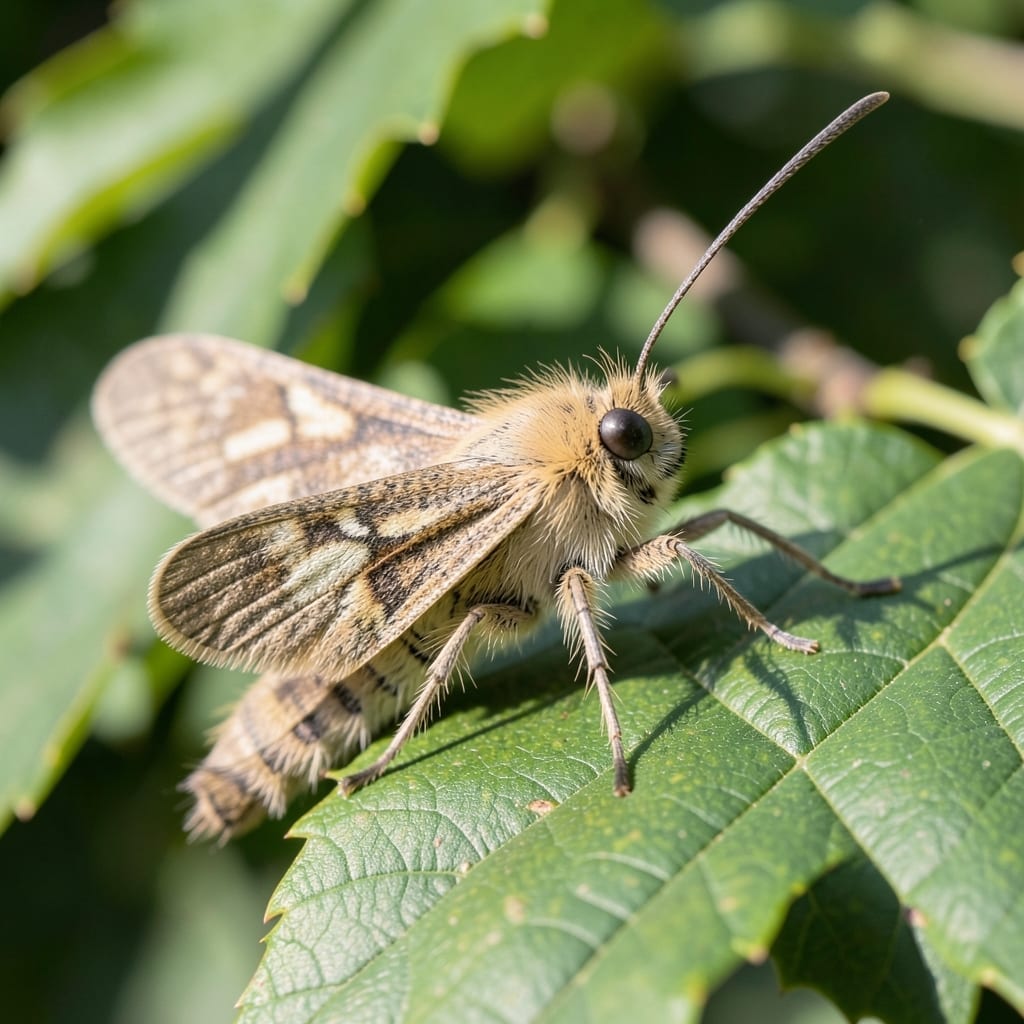
Those silky webs in your trees aren’t just unsightly—they’re a dinner bell for your leaves. I spotted my first tent worm moth nest last spring and watched as entire branches were stripped bare in 48 hours. The damage escalates fast, so early action matters.
These pests are easy to identify once you know what to look for: dense silk tents in tree forks, clusters of dark caterpillars, and leaves with jagged edges. They target fruit trees, ornamentals, and hardwoods, leaving a trail of skeletonized foliage.
Here’s the thing—organic control works if you act before they spread. Hand removal, targeted pruning, and natural predators like birds can keep populations in check. No harsh chemicals needed for a foolproof approach.
Timing is everything. Catch them early in their life cycle and you’ll save your garden from a season of damage. The solution is simpler than you’d think.
Understanding why tent worms (or tent caterpillars) appear in your garden is key to preventing their damage. These pests thrive under specific conditions, often tied to their life cycle and environmental triggers. Below are the primary causes of their infestations.
Tent worms prefer deciduous trees like apple, cherry, and crabapple, as well as ornamental plants. Their moths lay eggs on branches in late summer, and the larvae hatch in early spring to feed on fresh foliage. If your garden has these trees, it’s a prime target.
A warm winter or early spring can accelerate egg hatching. Tent worm eggs are hardy but thrive in moderate temperatures. Unseasonably warm weather can lead to earlier, more aggressive outbreaks.
When birds, parasitic wasps, or other predators are absent, tent worm populations explode. Overuse of pesticides can kill these beneficial species, creating an imbalance that favors the moths.
Trees under stress from drought, poor soil, or disease are more susceptible to tent worm damage. Healthy trees can often resist or recover from infestations, while weakened ones provide an easy food source.
Dealing with tent worms (or tent caterpillars) and their moths requires targeted action. Below are practical solutions mapped to common causes, along with prevention tips to keep your garden healthy.
If you spot small tents in branches, act fast. Wear gloves and remove tents by hand in the early morning or evening when caterpillars are inside. Drop them into soapy water to drown the larvae. Prevention tip: Inspect trees weekly in spring for early signs.
For larger but isolated tents, prune affected branches and burn or dispose of them in sealed bags. Avoid composting, as caterpillars may survive. Prevention tip: Keep trees well-spaced to reduce moth attraction and improve airflow.
Use Bacillus thuringiensis (Bt) spray, a natural bacteria that targets caterpillars without harming other insects. Apply in the evening for best results. For a DIY approach, mix neem oil or insecticidal soap and spray directly on tents. Prevention tip: Reapply after rain and rotate sprays to avoid resistance.
Encourage natural predators like parasitic wasps, birds, and ladybugs by planting native flowers and avoiding pesticides. Install birdhouses or birdbaths to attract feathered allies. Prevention tip: Maintain a diverse garden ecosystem to sustain predator populations year-round.
💡 Pro Tip: Wrap tree trunks with sticky bands in late summer to trap moths before they lay eggs. Replace bands monthly for effectiveness.
Look for dense, silky webs in branch forks, especially in early spring. These tents house clusters of dark caterpillars with light stripes. Check apple, cherry, or crabapple trees first as they’re prime targets.
Yes, they can defoliate branches in 48 hours if left unchecked. While healthy trees often recover, repeated infestations stress the plant and reduce fruit production. Act quickly to prevent long-term damage.
Use sticky bands on trunks in late summer to trap moths. Encourage birds with feeders or birdhouses—they love eating caterpillars. Also, prune and destroy tents early to stop the spread.
Early morning or evening when caterpillars are inside their tents. This is when they’re most vulnerable to manual removal or sprays. Avoid midday when they’re actively feeding and harder to target.