
Beautiful Plants For Your Interior
Beautiful Plants For Your Interior
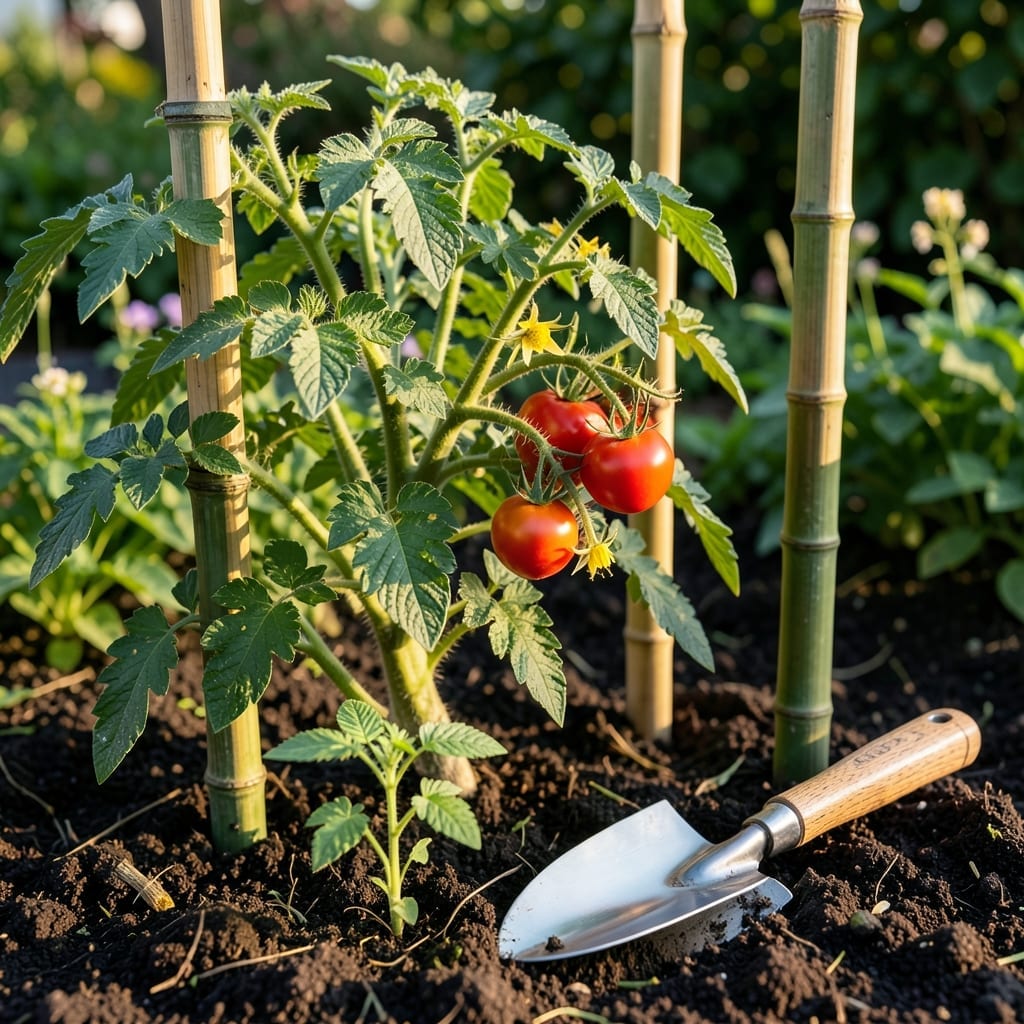
Planting Tomato 🍅 seedlings at the wrong temperature can ruin your entire growing season before it even starts. Those tiny plants are more sensitive than you might think.
I’ve seen gardeners lose their crop because they rushed the planting process. The right conditions make all the difference between struggling seedlings and thriving plants.
Getting the temperature just right ensures your Tomato plants develop strong roots from day one. This foundation leads to faster growth and more fruit later in the season.
Discover the exact soil and air temperatures your seedlings need to flourish. These simple guidelines will help you start your garden with confidence.
Getting the soil temperature right is non-negotiable for tomato seedlings. Plant too early, and cold soil will stunt root development or worse—kill your plants before they start.
I always recommend waiting until soil reaches at least 60°F for safe planting. Below 50°F, tomato roots struggle to absorb nutrients, leading to weak, leggy plants that never thrive.
| header-cell” style=”background-color: #6fd544; color: #ffffff;”>Temperature Range | body”> |
|---|
| body-cell” style=”background-color: #f8f9fa;”>Slow growth, risk of stunting |
| body-cell”>Optimal root development |
| body-cell” style=”background-color: #f8f9fa;”>Stress risk, needs extra water |
In cooler climates like the Pacific Northwest, I use a soil thermometer to check temps at 4-inch depth where roots will grow. Morning readings are most accurate.
For early planting, raised beds warm up 10-15°F faster than ground soil. I’ve seen my raised beds hit 65°F in early spring while the ground stays at 50°F.
If you’re eager to start, black plastic mulch can boost soil temps by 5-10°F. Just lay it down 2-3 weeks before planting to let the sun heat the soil.
Remember, air temperature matters too. Even if soil is warm, nighttime temps below 50°F can shock seedlings. I always watch the 10-day forecast before transplanting.
In USDA Zone 6, my rule is simple: Wait until after the last frost date (usually April 15) and confirm soil temps. Patience here prevents cold stress that can set plants back weeks.
For determinate varieties, which grow compact, 60°F is the absolute minimum. Indeterminate tomatoes need 65°F+ to support their vigorous, vining growth habit.
I once planted at 55°F and my Brandywine tomatoes took 3 weeks just to show new growth. The next year at 70°F, they doubled in size in a week.
Nighttime air temperatures below 50°F can shock tomato seedlings, stunting growth or causing permanent damage. I always check the local frost dates before moving plants outdoors, as even a light frost can kill tender tomato leaves and stems overnight.
For safe transplanting, wait until nighttime temps stay consistently above 55°F. In my experience, two weeks after the last frost date is the sweet spot for most regions. This gives the soil time to warm properly while minimizing frost risk.
⚠️ Frost Alert!
Tomatoes cannot survive frost. Always cover seedlings with frost cloth or row covers if temps drop below 40°F unexpectedly. Even cold winds can stress young plants.
Microclimates matter more than you think. A south-facing wall or urban heat island can be 5-10°F warmer than open areas. I use a simple thermometer to track temps in different spots before deciding where to plant.
For gardeners in cooler zones, consider starting seeds indoors 6-8 weeks before the last frost. This gives seedlings a head start while avoiding the dangers of early outdoor planting. Transplant only when both soil and air meet the minimum requirements.
Late frosts can sneak up even in spring. I keep floating row covers handy for sudden cold snaps. These lightweight fabrics trap heat while allowing light and water through, providing 4-6°F of protection when needed most.
Watch the 10-day forecast religiously before transplanting. If night temps are predicted to dip, delay planting or be prepared to cover. In my garden, I’ve learned that patience with temperature conditions always pays off in healthier plants and bigger harvests. ☀️