
Beautiful Plants For Your Interior
Beautiful Plants For Your Interior
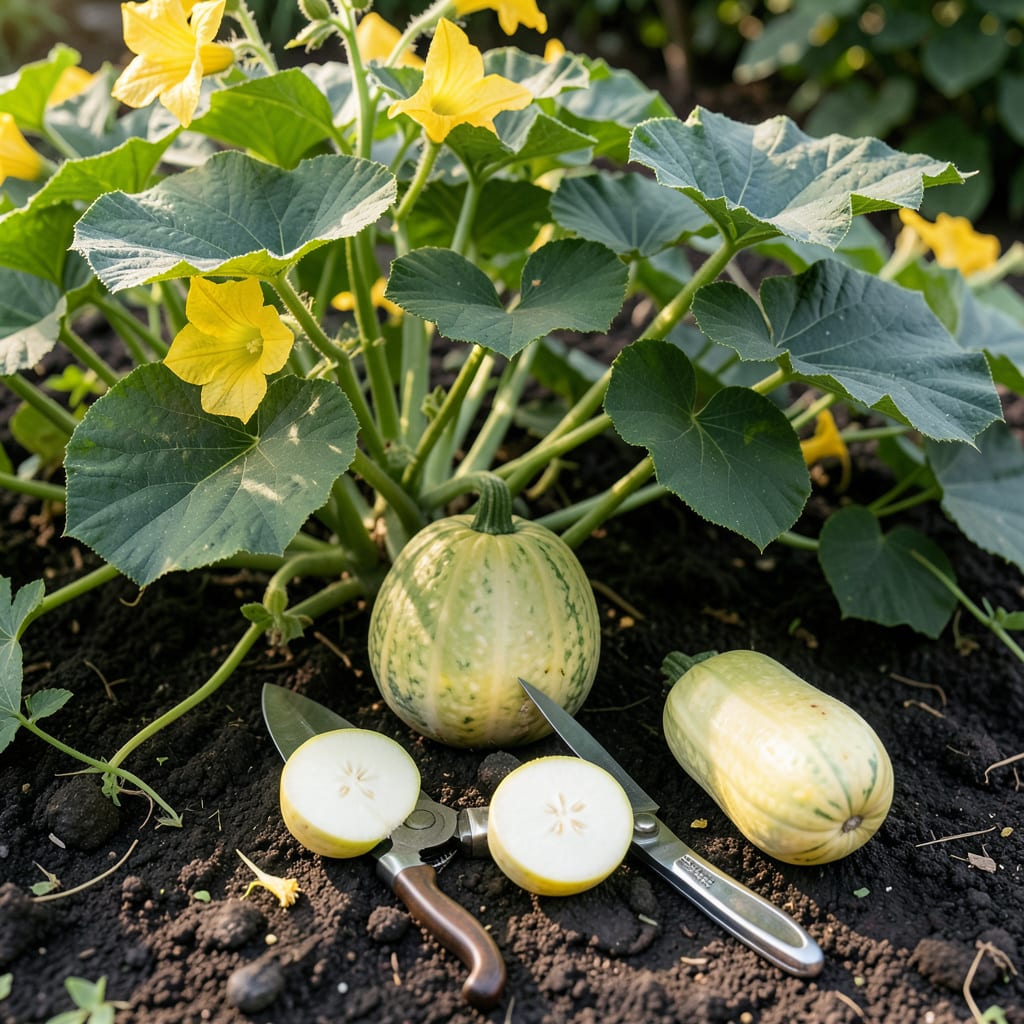
I’ve seen too many gardeners miss the perfect harvest window for their Tatume Squash 🎃. This fast-growing variety gives clear signals when it’s ready, but you need to know what to look for.
From rind hardness to color changes, I’ll show you the exact signs to watch for between August and October. Let’s make sure your crop comes off the vine at its peak.


I always tell gardeners that Tatume Squash gives clear signals when it’s time to pick. The most reliable sign is a hard rind that resists pressure from your fingernail. This variety typically reaches maturity 60-90 days after planting.
Another key indicator is the color change from deep green to a pale yellow or tan. The squash should also feel heavy for its size, usually 4-6 inches long, and the stem begins to dry and turn corky.
| Sign | What to Look For |
|---|---|
| Rind Hardness | Cannot be pierced with fingernail |
| Color Change | Green to pale yellow or tan |
| Stem Condition | Dry and corky, not green |
| Size | 4-6 inches long |
To test for ripeness, I gently press my fingernail into the rind. If it leaves a mark or punctures the skin, the squash needs more time. A mature Tatume will have a rind so hard that your nail won’t leave any impression.
The color transformation is another giveaway. As the squash matures, its skin transitions from a vibrant green to a muted tan or orange. This change is gradual, so I check my plants daily as harvest time approaches.
Don’t overlook the stem – it tells a story too. A green, flexible stem means the squash isn’t ready. When it turns brown, dry, and corky, that’s your signal that the squash has reached full maturity.
Size matters with Tatume squash. While they can grow larger, the ideal harvest size is 4-6 inches long. At this size, they’ve developed maximum flavor and will store well. Larger squash may have tougher skins and stringier flesh.
I also listen to my squash. A mature Tatume will sound hollow when tapped lightly. This isn’t the most scientific method, but combined with the other signs, it’s a good confirmation of ripeness.
Remember that vines dying back is another indicator. As the plant completes its life cycle, the leaves may yellow and wither. This often coincides with the squash reaching peak ripeness, especially toward the end of the growing season.
For the best flavor and storage life, harvest your Tatume squash when at least 3-4 of these signs are present. I find that combining the rind test with color and stem checks gives me the most reliable results every time.
Early morning is the best time to pick, when the squash is cool and firm. Use a sharp knife or pruners, leaving 1-2 inches of stem attached to prevent rot during storage.
I’ve learned the hard way that timing is everything with Tatume Squash. Picking too early means you’ll miss out on the sweet, nutty flavor this variety is known for. The flesh will be underdeveloped and the texture watery.
Conversely, leaving squash on the vine too long results in tough skins and stringy flesh. The seeds also become large and hard, making the squash less enjoyable to eat fresh.
If you accidentally pick underripe Tatume, don’t despair. These can still be used in dishes where they’ll cook down, though they won’t have the full rich flavor of mature squash.
For overripe squash, I’ve found they work well for seed saving. Simply scoop out the seeds, clean them, and dry for next season. The flesh can still be used in soups or purées where texture is less important.
The perfect window is when the rind is hard but the flesh is still tender. This is typically when the squash has turned its mature color but before the stem completely dries out.
I always mark my calendar for 60-90 days after planting as the start of the harvest window. Then I watch for those visual cues we discussed earlier to nail the perfect picking time.
Remember that weather conditions can affect maturity. Hotter temperatures may speed up ripening, while cooler weather can slow it down. Stay observant and check your plants regularly as harvest time approaches.
I always harvest my Tatume Squash in the early morning when the fruit is cool and firm. This timing helps preserve freshness and reduces stress on the plant during the hottest part of the day.
Using sharp pruners or a clean knife, I cut the squash from the vine, leaving 1-2 inches of stem attached. This stem helps prevent moisture loss and reduces the risk of rot during storage.
After harvesting, I cure my squash in the sun for about a week. This process helps harden the skin further, improving storage life. Just be sure to bring them indoors if rain is forecast.
For storage, I keep my Tatume squash in a cool, dry place with good air circulation. A basement or garage works well, as long as temperatures stay between 50-55°F. Properly cured and stored, they can last 2-3 months.
I check my stored squash weekly for any signs of soft spots or mold. If I notice any issues, I use those squash first to prevent the problem from spreading to others.
Remember that bruised or damaged squash won’t store as well. I always handle my harvest carefully and use any blemished squash within a few weeks.
With these simple practices, you can enjoy your Tatume Squash harvest long after the growing season has ended 🌱
Press your fingernail firmly into the skin. If it resists and doesn’t leave a mark, it’s ready. A soft rind that dents easily means it needs more time.
Yes, 4-6 inches long is ideal. Smaller ones lack flavor, while larger ones may be tough. Size combined with color and rind hardness gives the best results.
Wait for dry conditions. Wet squash can develop mold during storage. If you must harvest in rain, dry them thoroughly indoors before curing.
Freshly picked Tatume is delicious right away. For storage, cure in the sun for 1 week first to extend shelf life.
