
Beautiful Plants For Your Interior
Beautiful Plants For Your Interior
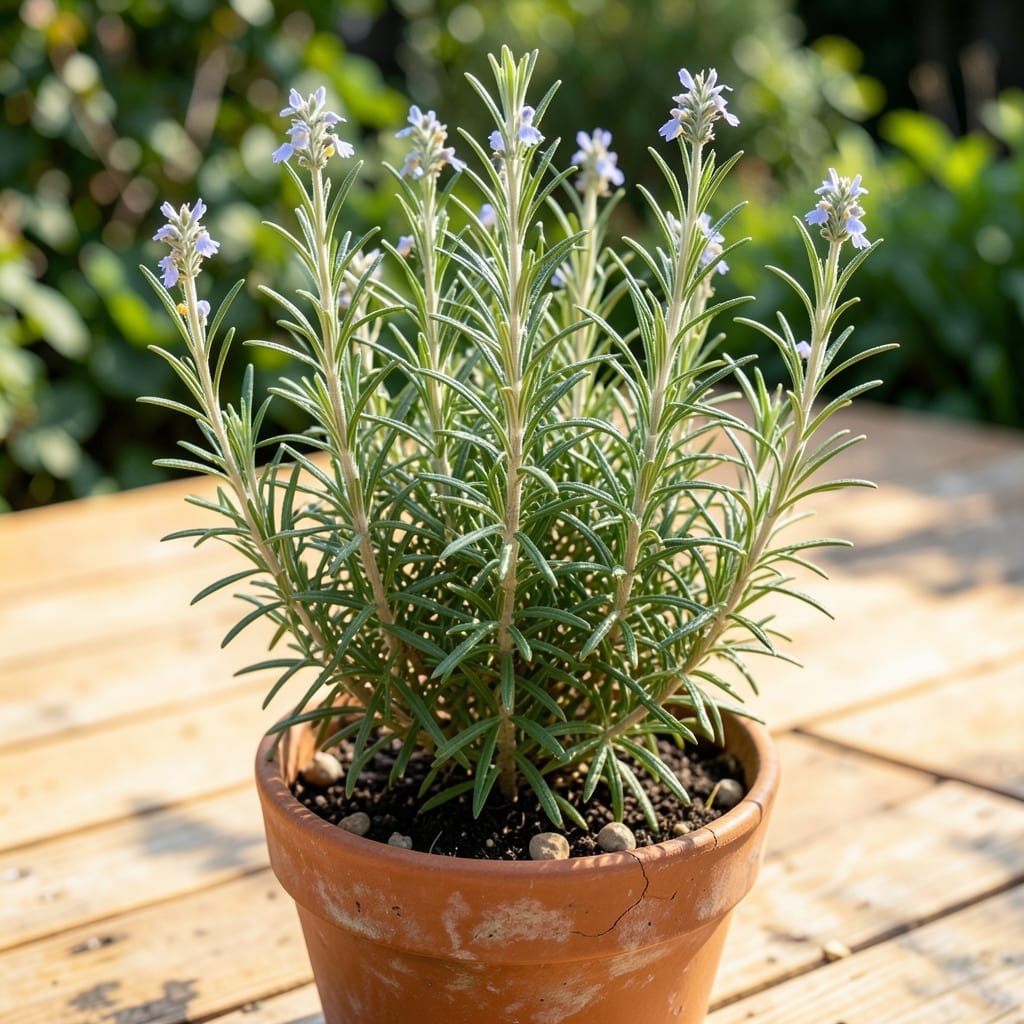
Imagine a rosemary plant soaring over 6 feet tall—yes, it’s possible! While most gardeners settle for bushy, knee-high shrubs, the 🌿 tallest Rosemary plants can reach impressive heights with the right care and conditions.
What if I told you your garden could host a towering herb that rivals small trees? It’s not just a fantasy. With the right techniques, you can transform your Rosemary into a striking vertical centerpiece.
I’ve seen firsthand how simple adjustments in care can make a dramatic difference. The key lies in understanding what fuels vertical growth versus what keeps it compact.
Ready to learn how to cultivate a Rosemary plant that breaks the height mold? Let’s explore the secrets behind growing these aromatic giants in your own backyard.
If you dream of a towering rosemary plant in your garden, start with the right variety. Rosmarinus officinalis is the classic choice, but upright cultivars like ‘Tuscan Blue’ or ‘Blue Spires’ can reach 6 feet or more with ideal conditions. These types naturally grow taller than bushy varieties.
To maximize height, I always plant in well-draining soil with a pH between 6.0 and 7.0. Rosemary hates wet feet, so amending with sand or gravel prevents root rot. A raised bed can also improve drainage and encourage deeper root growth.
Sunlight is non-negotiable for height. I’ve seen rosemary plants in partial shade stay stunted at 2-3 feet, while those in full sun can double that height. Aim for 6+ hours of direct sunlight daily, especially in warmer climates where rosemary thrives.
Watering strategies also play a key role. Rosemary is drought-tolerant once established, but deep, infrequent watering encourages roots to grow downward, supporting a taller structure. I water my plants once a week in summer, letting the soil dry out between sessions.
Pruning might seem counterintuitive for height, but it’s essential. Light, regular pruning helps direct energy upward rather than outward. I trim my rosemary after flowering to maintain shape and remove any leggy or weak growth. Avoid heavy pruning, which can stress the plant.
Fertilizing less is more with rosemary. Too much nitrogen leads to leafy growth at the expense of height. I use a balanced, low-NPK fertilizer sparingly, only in early spring and mid-summer, to support steady growth without overfeeding.
Climate matters too. Rosemary is a Mediterranean native, so it thrives in warm, dry climates. In cooler zones, growing in containers allows you to move plants indoors during winter. I’ve had success overwintering rosemary in pots near a sunny window.
Finally, give your rosemary space to grow. Planting too close to other shrubs or structures can limit air circulation and sunlight. I space my rosemary 3-4 feet apart to allow for unrestricted vertical growth and good airflow.
With these tips, your rosemary can reach record-breaking heights. Patience is key—some of my tallest specimens took 3-4 years to hit their peak. But the fragrant, towering result is worth the wait! 🌿
If you’ve ever wondered how tall rosemary can truly grow, look no further than the record holders. Some specimens have reached over 6 feet in ideal conditions, proving this herb can rival small trees.
The tallest rosemary plants thrive in warm climates with full sun and well-draining soil. Mediterranean regions often produce the most impressive heights due to their native-like environment.
| Location | Height | Key Conditions |
|---|---|---|
| Spain | 7 ft | Full sun, sandy soil |
| California | 6.5 ft | Dry climate, minimal pruning |
| Italy | 6 ft | Coastal winds, rocky soil |
Notice a pattern? These record-breaking plants all share dry conditions and abundant sunlight. Rosemary hates soggy roots, so excellent drainage is non-negotiable for height.
I’ve found that minimal pruning also helps. While regular trimming encourages bushiness, letting your rosemary grow naturally promotes vertical expansion. Just remove dead wood.
For the tallest results, choose upright varieties like Rosmarinus officinalis. These naturally grow taller than prostrate types, which stay low to the ground.
Don’t forget space to grow. Plant your rosemary at least 3 feet apart to prevent competition. With patience and the right conditions, you might just break a record yourself 🌿