
Beautiful Plants For Your Interior
Beautiful Plants For Your Interior
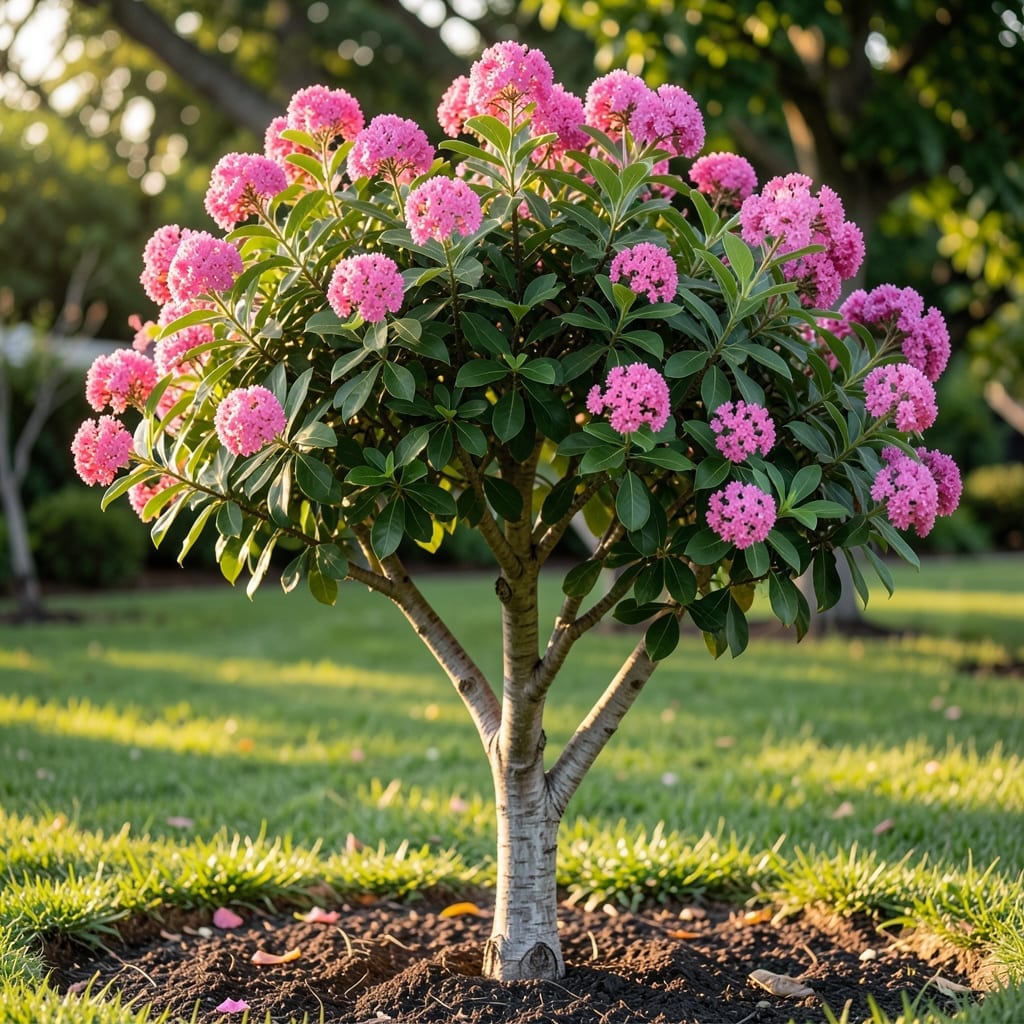
If you’re looking to add dramatic height and vibrant summer color to your landscape, the 🌳 Crepe Myrtle can transform your outdoor space into a stunning vertical garden.
These towering beauties offer shade, privacy, and seasonal blooms that command attention. With some varieties reaching 40 feet, they create a majestic presence in any garden.
I’ve seen firsthand how the right cultivation techniques can help these trees thrive. Whether you want a natural privacy screen or a striking focal point, the tallest varieties deliver.
Discover how to choose, plant, and care for these impressive trees to achieve their maximum height and beauty in your own yard.
If you want dramatic height in your garden, the tallest crepe myrtles deliver. These tree-like cultivars can reach 20-40 feet, creating stunning vertical focal points with vibrant summer blooms. They’re perfect for privacy screens or shade trees.
I’ve tested many varieties, and the tallest crepe myrtles thrive in USDA zones 6-10. They prefer full sun and well-draining soil to reach their maximum potential. Let’s compare the top performers. 🌳
| Variety | Mature Height | Bloom Color | Hardiness Zones |
|---|---|---|---|
| Natchez | 20-30 ft | White | 6-10 |
| Muskogee | 20-25 ft | Lavender | 7-9 |
| Fantasy | 25-35 ft | White | 7-10 |
| Tuscarora | 20-25 ft | Coral Pink | 7-9 |
| Sioux | 20-25 ft | Pink | 7-9 |
The Natchez crepe myrtle stands out as one of the tallest varieties, often exceeding 30 feet. Its white blooms contrast beautifully against dark bark, and it’s highly disease-resistant, making it a low-maintenance choice.
For lavender flowers, the Muskogee is a top pick. It grows 20-25 feet tall and thrives in hot climates. I love how its exfoliating bark adds winter interest when the blooms fade. 🌿
The Fantasy crepe myrtle is a true giant, reaching 25-35 feet. Its white flowers appear in mid-summer, and its upright growth habit makes it ideal for tall hedges or as a standalone specimen.
If you prefer pink blooms, the Tuscarora and Sioux varieties are excellent. Both grow 20-25 feet tall and are known for their long blooming season, often lasting from early summer to fall.
These tall crepe myrtles aren’t just about height—they also offer year-round beauty. In fall, their leaves turn shades of orange, red, or yellow, and their peeling bark adds texture to winter landscapes.
For best results, plant them in spring or fall in well-draining soil. Space them 15-20 feet apart to allow for their mature spread. Regular pruning in late winter keeps them healthy and encourages more blooms.
Remember, the tallest crepe myrtles need room to grow. Avoid planting them under power lines or too close to structures. With the right care, they’ll reward you with decades of beauty and minimal maintenance. ✂️
Growing the tallest crepe myrtle varieties requires a bit of planning but pays off with stunning vertical impact. I always start by selecting a sunny location with well-draining soil, as these trees thrive in full sunlight and can struggle in shaded areas.
Once planted, proper watering routines are key—deep soaks weekly help establish strong roots. Avoid overwatering, as soggy soil can lead to root rot, a common issue I’ve seen with new gardeners. 🌳
Pruning is another critical step for maintaining healthy growth and shape. I recommend pruning in late winter, just before new growth starts. This timing helps prevent disease spread and encourages vigorous blooming come summer.
For fertilization, a balanced 10-10-10 formula works wonders. I apply it every 4-6 weeks during the growing season, which keeps my crepe myrtles vibrant and flourishing. Remember, less is more—over-fertilizing can lead to excessive leaf growth at the expense of flowers.
Mulching around the base helps retain moisture and suppress weeds. I use a 2-3 inch layer of organic mulch, keeping it 6 inches away from the trunk to prevent rot. This simple step makes a big difference in my garden’s health. 🌿
Finally, keep an eye out for pests like aphids or powdery mildew. Regular inspections and prompt treatment with neem oil or insecticidal soap can save you a lot of trouble down the line. With these care tips, your crepe myrtles will reward you with years of beauty.