
Beautiful Plants For Your Interior
Beautiful Plants For Your Interior
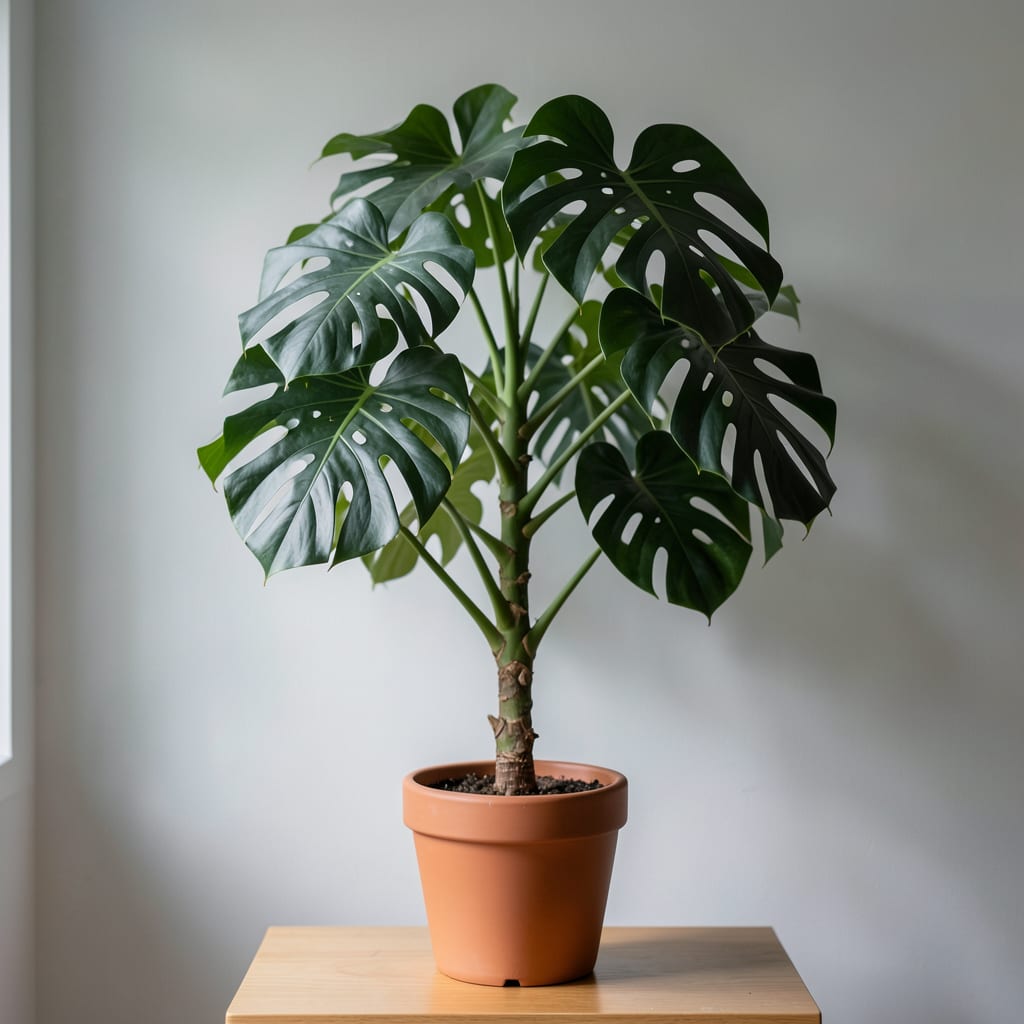
I’ve always been fascinated by the Swiss Cheese Plant 🌱, known for its unique leaves and relatively easy care. To keep this beautiful houseplant thriving in USDA Zone 10, understanding its light requirements is crucial.
The right amount of light can make all the difference in maintaining its health and aesthetic appeal. Let’s explore how to provide the perfect lighting conditions for your Swiss Cheese Plant to flourish.

The Swiss Cheese Plant, known scientifically as Monstera deliciosa, is a popular houseplant that thrives in bright, indirect light conditions. Understanding its light requirements is crucial for maintaining its health and aesthetic appeal 🌱.
To provide the best care for your Swiss Cheese Plant, it’s essential to understand its natural habitat and how to replicate ideal lighting conditions indoors. In its native environment, Monstera deliciosa grows under the canopy of larger trees, receiving filtered sunlight 🌿.
The Swiss Cheese Plant prefers bright, indirect light that mimics the dappled sunlight of its natural habitat. Direct sunlight can cause leaf scorch, while too little light may result in leggy growth and reduced foliage development 🔥.
Optimal light conditions for Swiss Cheese Plants include:
To achieve the perfect lighting for your Swiss Cheese Plant, consider placing it near an East or West-facing window. These orientations provide gentle, indirect light that is ideal for the plant’s growth 🌞.
If you don’t have an East or West-facing window, you can still provide suitable lighting by using sheer curtains or blinds to filter the sunlight. This will help diffuse the light and prevent direct sun rays from damaging the leaves 🌻.
In addition to natural light, you can supplement with artificial grow lights if necessary. LED grow lights are a popular choice as they provide the right spectrum for plant growth without generating excessive heat 💡.
When using artificial lighting, maintain a distance of 12-18 inches between the light source and the plant to avoid overheating or light stress. Adjust the duration of artificial lighting to match the natural daylight hours your plant would typically receive 🌟.
Monitoring your plant’s response to light is crucial. If you notice yellowing leaves, it may be a sign of too much light, while leggy growth could indicate insufficient light. Adjust the lighting conditions accordingly to maintain your plant’s health 🔄.
By understanding and providing the right light requirements, you can ensure your Swiss Cheese Plant remains healthy and continues to grow beautifully. Proper lighting is just one aspect of caring for this stunning houseplant 🌿.
The Swiss Cheese Plant requires bright, indirect light to thrive, typically needing 4-6 hours of daily light exposure. This can be achieved by placing it near an East or West-facing window, which provides gentle, indirect light ideal for its growth 🌞.
In its natural habitat, the Swiss Cheese Plant grows under the canopy of larger trees, receiving filtered sunlight. To replicate this indoors, you can use sheer curtains or blinds to diffuse direct sunlight, preventing leaf scorch 🌻.
The Swiss Cheese Plant can adapt to lower light conditions, but its growth may slow, and the leaves may become less vibrant. For optimal health, maintain bright, indirect light 💡.
If natural light is insufficient, you can supplement with artificial grow lights, such as LED grow lights, which provide the right spectrum without excessive heat. Maintain a distance of 12-18 inches between the light source and the plant 🌟.
Monitoring your plant’s response to light is crucial. Yellowing leaves may indicate too much light, while leggy growth suggests insufficient light. Adjust lighting conditions accordingly to maintain your plant’s health 🔄.
By understanding and providing the right light requirements, you can ensure your Swiss Cheese Plant remains healthy and continues to grow beautifully 🌱.
Key lighting tips for your Swiss Cheese Plant include:
Proper lighting is essential for the health and aesthetic appeal of your Swiss Cheese Plant. By following these guidelines, you can create an optimal lighting environment for your plant to flourish 🌿.
I always recommend adjusting your Swiss Cheese Plant lighting based on the changing seasons and your indoor environment. During summer months, when days are longer and brighter, you may need to filter more intense sunlight to prevent leaf scorch 🌞.
In winter months, when natural light is limited, consider supplementing with artificial grow lights to maintain the required 4-6 hours of bright, indirect light. This ensures your plant continues to thrive despite the reduced daylight hours ❄️.
By being mindful of these factors and making necessary adjustments, you can create a stable and optimal lighting environment for your Swiss Cheese Plant to flourish in any season 🌿.
Proper lighting adjustments not only promote healthy growth but also enhance the plant’s natural beauty, making it a stunning addition to your indoor space 🏠.
To further optimize lighting, consider using light meters to measure the exact light intensity your plant receives. This can help you make precise adjustments to ensure ideal conditions 📊.
By following these practical tips and staying attentive to your plant’s needs, you can enjoy a thriving and vibrant Swiss Cheese Plant all year round 🌱.
East or West-facing windows are best as they provide gentle, indirect light that’s ideal for the plant’s growth. This direction offers 4-6 hours of daily light exposure, which is perfect for maintaining its health and aesthetic appeal.
Yes, you can use artificial grow lights, especially during winter months when natural light is limited. LED grow lights are a popular choice as they provide the right spectrum for plant growth without generating excessive heat. Maintain a distance of 12-18 inches between the light source and the plant.
Monitor your plant’s response to light. If you notice yellowing leaves, it may be getting too much light, while leggy growth could indicate insufficient light. Adjust the lighting conditions accordingly to maintain your plant’s health.
Yes, rotating your plant regularly ensures even light distribution and promotes balanced growth. This simple practice helps maintain the plant’s natural beauty and overall health.
