
Beautiful Plants For Your Interior
Beautiful Plants For Your Interior
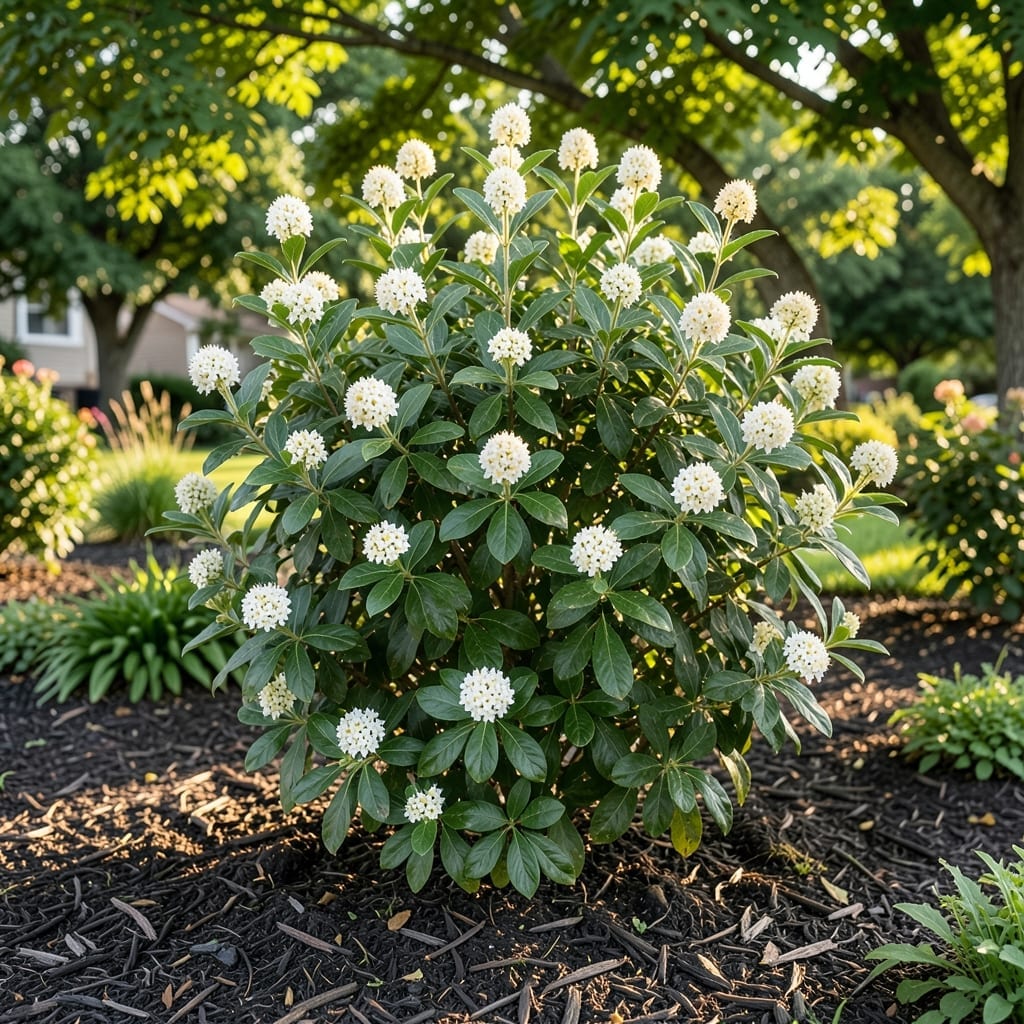
Planning your garden layout can feel like solving a puzzle, and the key is knowing exactly how much space each plant needs. With Sweet Viburnum 🌿, its mature height plays a crucial role in your landscape design.
This versatile shrub can transform your outdoor space, but only if you understand its growth potential. I’ve seen gardeners struggle with improper spacing, leading to overcrowded or sparse areas.
Let me share what I’ve learned about Sweet Viburnum’s typical height and how it develops over time. You’ll discover why this shrub is a favorite for creating natural privacy screens or stunning focal points.
By the end, you’ll know exactly what to expect and how to plan for it. Let’s dive into the details that will make your garden thrive.

When planning your landscape, understanding the mature height of sweet viburnum is essential. This versatile shrub typically reaches 10 to 20 feet tall at full maturity, making it ideal for privacy screens or as a focal point in larger gardens. 🌿
Its growth rate is moderate, meaning you’ll see noticeable progress each year. In the first year, expect it to grow 2 to 3 feet, with steady increases in subsequent years. By year three, it often hits 8 to 12 feet, depending on conditions.
| Stage | Height Range |
|---|---|
| Year 1 | 2-3 ft |
| Year 2 | 5-8 ft |
| Year 3 | 8-12 ft |
| Mature | 10-20 ft |
The final height of sweet viburnum can vary based on several factors. Soil quality, sunlight exposure, and watering habits all play a role in how tall your shrub will grow. Rich, well-draining soil encourages robust growth.
Sunlight is another critical factor. Sweet viburnum thrives in full sun to partial shade, with at least 4-6 hours of direct sunlight daily. Less light may result in a slightly shorter, leggier plant. ☀️
Different cultivars also exhibit varying heights. For example, the popular ‘Emerald Lustre’ typically stays within the 10-15 foot range, while dwarf varieties can be as compact as 6-8 feet. This makes sweet viburnum adaptable to various garden sizes.
Pruning can help manage height if your shrub outgrows its space. I recommend pruning in late winter or early spring before new growth starts. This keeps the plant healthy while controlling its size. ✂️
Regional differences also affect growth. In warmer climates like USDA zones 7-9, sweet viburnum may grow taller and faster. Cooler zones might see slightly slower growth but still reach impressive heights over time.
For gardeners with limited space, consider dwarf or semi-dwarf varieties. These can provide the same lush foliage and fragrant blooms without overwhelming smaller landscapes. They’re perfect for borders or container gardening.
If you’re planting sweet viburnum for privacy, space them 6-8 feet apart to allow room for growth. This spacing ensures they fill in nicely without crowding each other as they mature.
With proper care, your sweet viburnum can become a stunning, long-lived feature in your garden. Its height and spread make it excellent for creating natural barriers or adding vertical interest to your landscape. 🌳
Managing sweet viburnum height starts with understanding its moderate growth rate. In ideal conditions, this shrub can reach 10-20 feet tall, but I’ve found that regular pruning keeps it in check for smaller gardens. 🌿
For a more controlled look, I recommend annual trimming after its spring blooming cycle. This preserves its natural shape while limiting upward growth. Always use clean, sharp pruners to avoid damaging the plant.
If you’re working with limited space, consider dwarf cultivars that max out at 6-8 feet. These are perfect for urban gardens or as foundation plantings around your home.
Container planting is another great way to control height. Use a large pot with good drainage and root-prune every few years to keep the shrub from becoming root-bound and stunted. ☀️
For hedge rows, I suggest spacing plants 4-6 feet apart. This creates a dense screen without letting individual shrubs grow too tall. Regular shearing maintains a neat appearance.
Remember that environmental factors like soil quality and sunlight exposure affect growth. In shadier spots, your viburnum may stay smaller, while full sun encourages maximum height. 🌱