
Beautiful Plants For Your Interior
Beautiful Plants For Your Interior
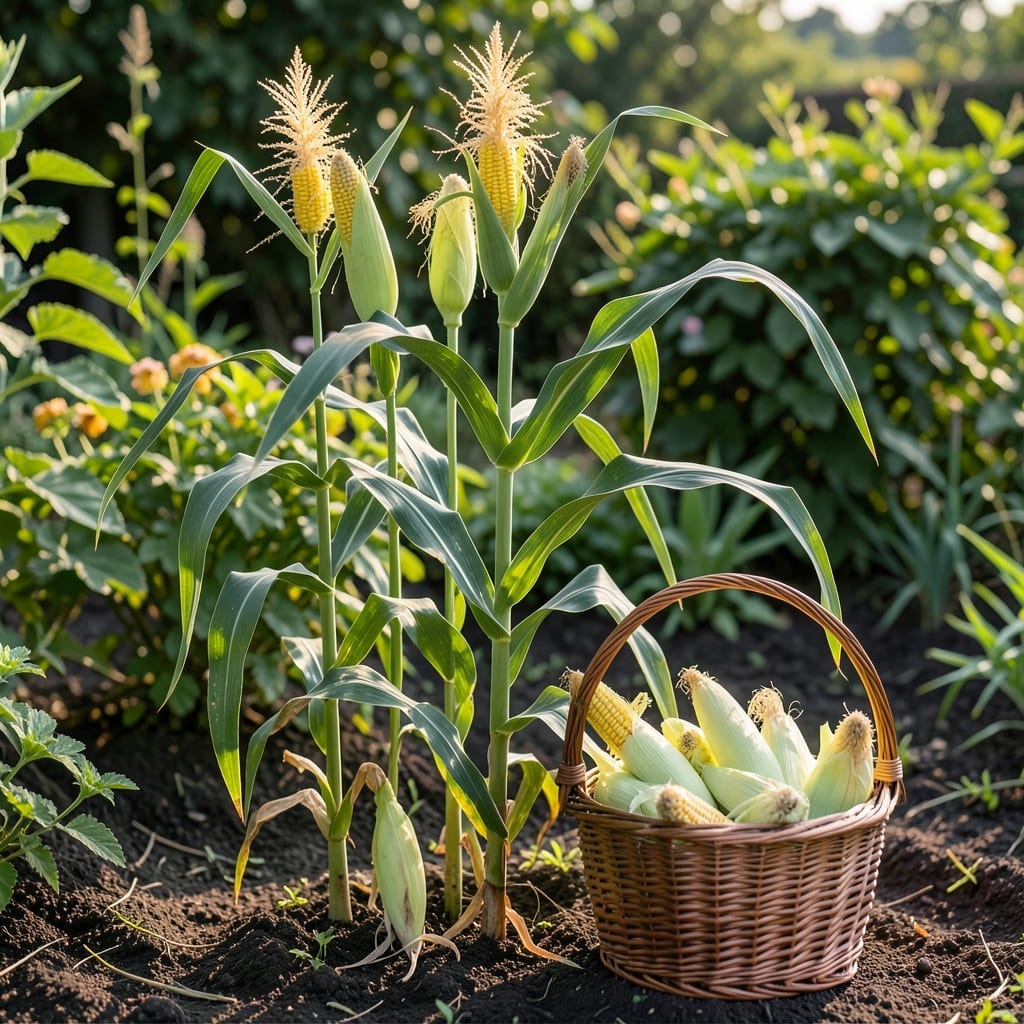
Florida’s warm climate is perfect for growing Sweet Corn 🌽, but timing can make or break your harvest. Plant too early or late, and you might end up with disappointing results.
In zones 8a-10b, the key is aligning your planting with the state’s unique growing windows. Whether you’re in North, Central, or South Florida, understanding these timelines ensures a thriving crop.
I’ll walk you through the best months to plant and harvest, plus tips to maximize your yield in Florida’s conditions. Let’s get started.
Florida’s diverse climate means sweet corn planting dates vary significantly across the state. In North Florida, you’ll want to plant February through April to avoid frost damage and capitalize on the cooler spring.
Central Florida gardeners can start seeds as early as January in some areas, with the main window stretching into March. The key is monitoring soil temperature, which should be at least 60°F for optimal germination.
| Region | Planting Window | Harvest Window | Soil Temp |
|---|---|---|---|
| North Florida | Feb-Apr | May-July | 60°F+ |
| Central Florida | Jan-Mar | Apr-June | 60°F+ |
| South Florida | Aug-Sep | Oct-Dec | 65°F+ |
South Florida is unique, with a second planting window in August through September. This allows for a fall harvest when temperatures cool slightly, but be mindful of hurricane season impacts.
For all regions, I recommend early-maturing varieties like Silver Queen or Peaches and Cream. These typically reach harvest in 70-80 days, giving you flexibility with Florida’s unpredictable weather patterns.
Remember that soil preparation is critical. I always amend my beds with compost and ensure good drainage. Sweet corn hates waterlogged roots, so raised beds can be a game-changer in low-lying areas.
In my experience, succession planting works well in Florida. I’ll plant a new batch every 2-3 weeks during the window to extend my harvest. This staggered approach keeps my kitchen supplied with fresh corn for months.
Watch for pests like corn earworms and fall armyworms, which are particularly problematic in Florida’s humid climate. I use organic neem oil sprays and beneficial insects to keep these at bay without harsh chemicals.
The ideal soil pH for sweet corn is between 6.0 and 6.8. I test my soil annually and adjust with lime or sulfur as needed. This small step makes a noticeable difference in plant vigor and ear development.
Finally, don’t overlook wind protection. Florida’s breezes can damage tall corn stalks. I plant in blocks rather than rows to allow for better pollination and mutual support between plants.
With these regional guidelines and care tips, you’ll be well on your way to a successful sweet corn season in Florida 🌱
Understanding the growth stages of sweet corn in Florida helps you time care and harvest perfectly. From germination to maturity, each phase has distinct needs in our warm climate.
In Florida’s heat, sweet corn can progress rapidly. I’ve seen seeds sprout in as little as 4-7 days when soil temps hit 65°F or higher. Proper moisture is key during this early stage.
The tasseling stage is when your corn plants show their signature plumes. In Florida, this typically occurs 50-60 days after planting. Be sure to monitor for pests during this vulnerable period.
When silks emerge, each strand connects to a potential kernel. I gently shake my plants to aid wind pollination, especially in calmer areas. This simple step boosts kernel formation significantly.
During ear development, I increase watering to 1-2 inches weekly. Florida’s sandy soils drain quickly, so mulching helps retain moisture. Watch for brown silks – your first harvest sign.
The final test is the milk stage. I pierce a kernel with my fingernail – if it releases milky liquid, it’s ready. Florida’s heat can speed this up, so check frequently once silks brown.
With this timeline, you’ll master the sweet corn season in Florida’s unique climate 🌽