
Beautiful Plants For Your Interior
Beautiful Plants For Your Interior
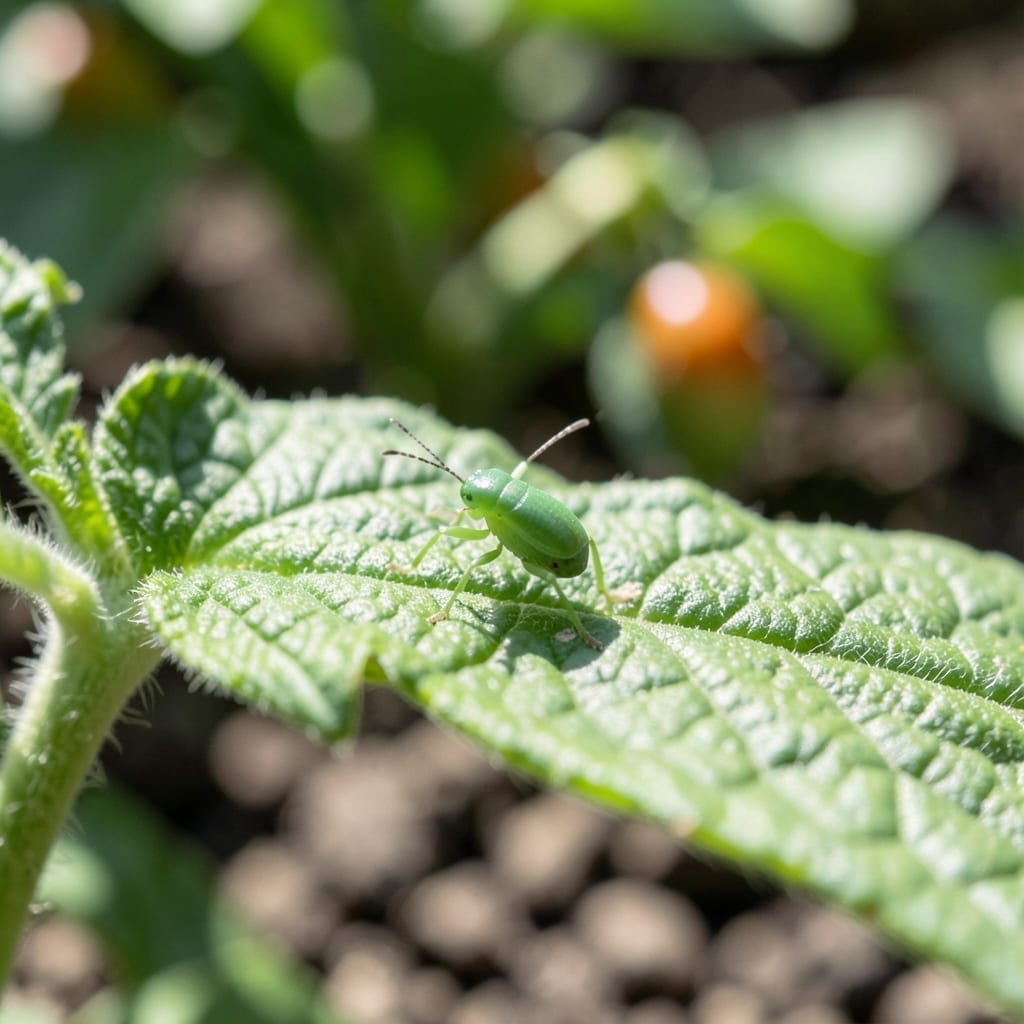
I first noticed them on my rosebuds last summer—tiny green dots clustering on new growth. These pests multiply fast, sucking sap and leaving sticky residue that ruins plant health.
They’re often aphids, but could be other soft-bodied insects. The damage spreads quickly if ignored: curled leaves, stunted growth, and sooty mold following their secretions.
Here’s the thing—catch them early and you can stop the infestation with simple methods. A strong spray from the hose often knocks them off, and ladybugs will happily finish the job.
Prevention works better than cure. Regular plant inspections and encouraging beneficial insects creates a natural defense that keeps these invaders from gaining a foothold.
The appearance of super tiny green bugs in your garden or home is rarely random. These pests thrive due to specific environmental and biological triggers. Below are the most common causes, explained with actionable insights.
Excess moisture creates the perfect breeding ground for many small green insects, such as aphids or leafhoppers. Soggy soil weakens plant defenses, making them more susceptible to infestation. To fix this, ensure proper drainage and water only when the top inch of soil is dry.
Nature keeps pest populations in check with predators like ladybugs, lacewings, and parasitic wasps. If your garden lacks biodiversity, tiny green bugs can multiply unchecked. Encourage beneficial insects by planting nectar-rich flowers or avoiding broad-spectrum pesticides.
Many green bugs, including spider mites and whiteflies, thrive in warm, humid conditions. These climates accelerate their reproductive cycles. Monitor humidity levels and improve airflow with pruning or fans to disrupt their lifecycle.
Introducing new plants without inspection is a common way these pests spread. Quarantine new additions for 1–2 weeks and check undersides of leaves for eggs or nymphs. This prevents unintentional introduction into a healthy garden.
Dealing with these pests doesn’t have to be a losing battle. Below are targeted fixes for common causes, along with prevention tips to keep your garden thriving.
These bugs love damp environments. Let the top inch of soil dry out between waterings, and ensure pots have drainage holes. Fix: Adjust your watering schedule and use a moisture meter to avoid soggy soil. Prevention: Water early in the day so excess moisture evaporates by evening.
Dense plants create hiding spots. Trim back excess growth and space plants to improve airflow. Fix: Prune affected areas and remove heavily infested leaves. Prevention: Regularly thin out plants and avoid overcrowding in garden beds.
Fallen leaves and garden clutter harbor pests. Fix: Rake up debris and dispose of it in sealed bags. Prevention: Keep your garden tidy and clear organic matter weekly to discourage future infestations.
Lack of ladybugs or lacewings? Fix: Purchase beneficial insects from a garden center and release them at dusk. Prevention: Plant nectar-rich flowers like marigolds to attract and retain these helpers.
Skip harsh pesticides. Fix: Mix 1 tsp mild dish soap with 1 quart of water and spray directly on bugs. Reapply every 4-5 days. Prevention: Test on a small leaf area first to avoid plant damage.
Pro Tip 💡: Inspect new plants before bringing them home—these bugs often hitch a ride on fresh greenery!
Yes, they often damage plants by sucking sap from leaves and stems. This can cause curling, yellowing, or stunted growth. Severe infestations may even kill young plants.
Look for clusters on new growth or leaf undersides. They’re usually 1-3mm long, soft-bodied, and may leave a sticky residue called honeydew. A magnifying glass helps confirm.
Unlikely without intervention. Their rapid reproduction means populations explode quickly. Natural predators like ladybugs can help, but often manual or chemical control is needed.
Encourage biodiversity with pollinator-friendly plants. Avoid over-fertilizing, which attracts them. Regularly inspect plants and remove affected leaves promptly.