
Beautiful Plants For Your Interior
Beautiful Plants For Your Interior
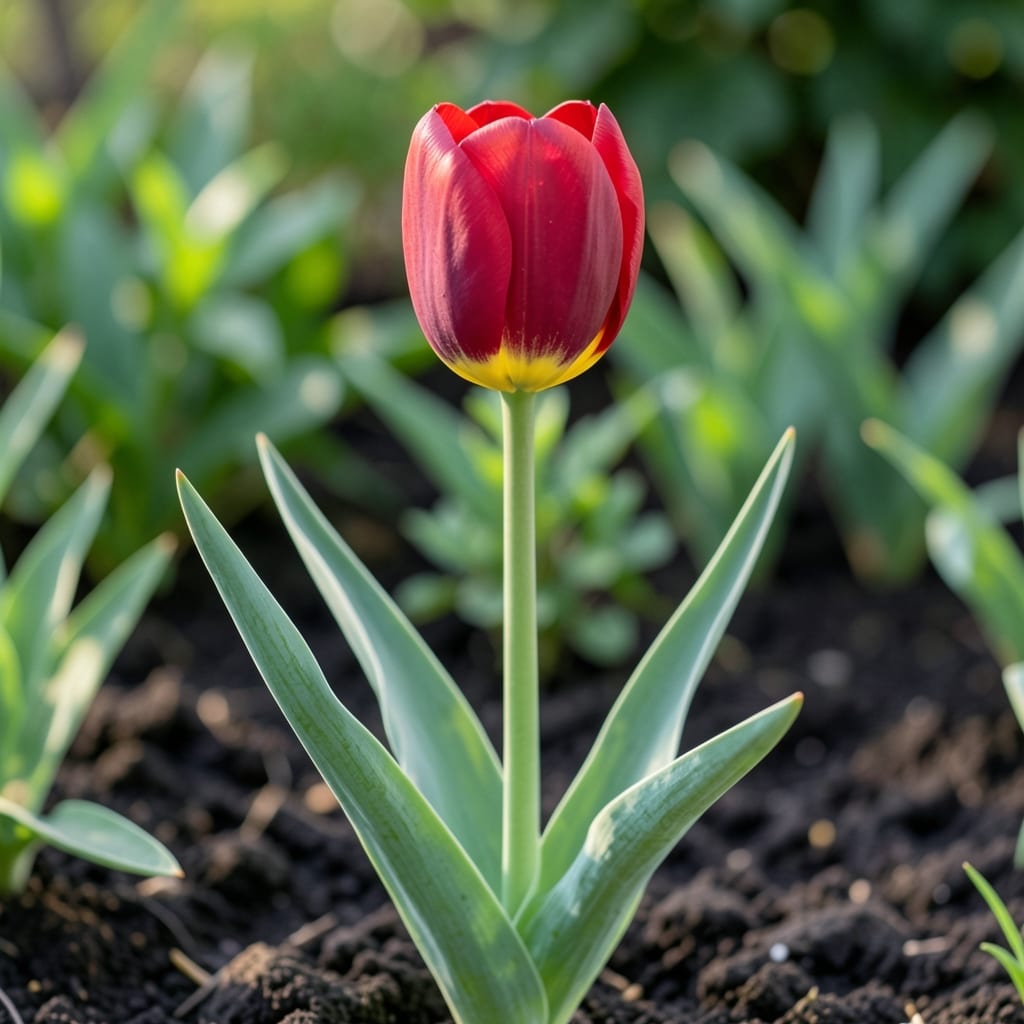
There’s nothing quite like the sight of vibrant 🌷Tulips in full bloom, but did you know their beauty depends heavily on sunlight? Getting this right can mean the difference between stunning flowers and disappointing growth.
I’ve seen firsthand how proper light exposure transforms these spring favorites. Without enough sun, you might end up with weak stems or small blooms that never reach their full potential.
The good news? Achieving that perfect balance is simpler than you think. Whether you’re planting in zone 3-8 or just starting your garden journey, understanding sunlight needs is the key to success.
Discover how to give your tulips exactly what they need to thrive, with practical tips that work for any garden setup. Let’s make this your most colorful spring yet.

If you want your tulips to burst with color each spring, nailing their sunlight needs is non-negotiable. These iconic blooms are full-sun lovers, thriving with 6+ hours of direct light daily.
In my experience, morning sunlight is especially beneficial as it’s less intense and helps prevent petal scorch. Afternoon sun works too, but avoid the harshest rays in peak summer regions. ☀️
| Requirement | Specification |
| Daily Sunlight | 6+ hours direct |
| Light Intensity | Full sun preferred |
| Best Window | South-facing |
| Seasonal Adjust | Reduced in hot climates |
I’ve found that tulip varieties like Darwin Hybrids and Parrot tulips handle full sun exceptionally well. These larger blooms benefit from the extra energy to produce their vibrant colors and strong stems.
For gardeners in warmer climates (USDA zones 7-8), a bit of afternoon shade can prevent bulbs from overheating. In cooler zones (3-6), maximum sunlight is ideal for robust growth.
The bulb development stage is crucial. Plant your tulips in fall where they’ll get consistent light during their rooting phase. This ensures they store enough energy for spring blooming.
If you’re growing tulips in containers, place them on a sunny patio or balcony. Rotate pots occasionally for even light distribution, especially if space is limited.
Light quality matters as much as quantity. Tulips perform best with unfiltered sunlight, so avoid planting under dense tree canopies or near tall structures that cast long shadows.
I always remind fellow gardeners that seasonal changes affect sunlight exposure. In early spring, when tulips emerge, the sun is lower in the sky. By bloom time, longer days provide ample light naturally.
For those with limited sunny spots, consider planting tulips where they’ll get morning sun and dappled afternoon shade. While not ideal, many varieties will still produce beautiful blooms with this compromise. 🌷
I’ve learned that tulips need 6+ hours of direct sunlight daily. Without it, they struggle to bloom or produce weak stems that flop over. Even yellowing leaves can signal they’re not getting enough light for photosynthesis.
Another red flag is small or stunted blooms. If your tulips look underwhelming, check their sun exposure first. They might be planted in a shady corner or under dense tree canopies that block light.
If your tulips show signs of sun stress, like brown leaf tips, they might be getting too much direct afternoon sun. This is common in hotter climates or during unexpected heatwaves.
I recommend morning sunlight for the best results. It’s less intense than afternoon sun but still provides the energy tulips need to grow strong and produce vibrant flowers.
For shady gardens, try planting tulips near south-facing walls or fences that reflect light. This can boost their exposure without relocating them to a sunnier spot.
Finally, rotate your bulbs every few years if they’re not thriving. Over time, tree growth or new structures might reduce sunlight in their original location. A little observation goes a long way! 🌿