
Beautiful Plants For Your Interior
Beautiful Plants For Your Interior
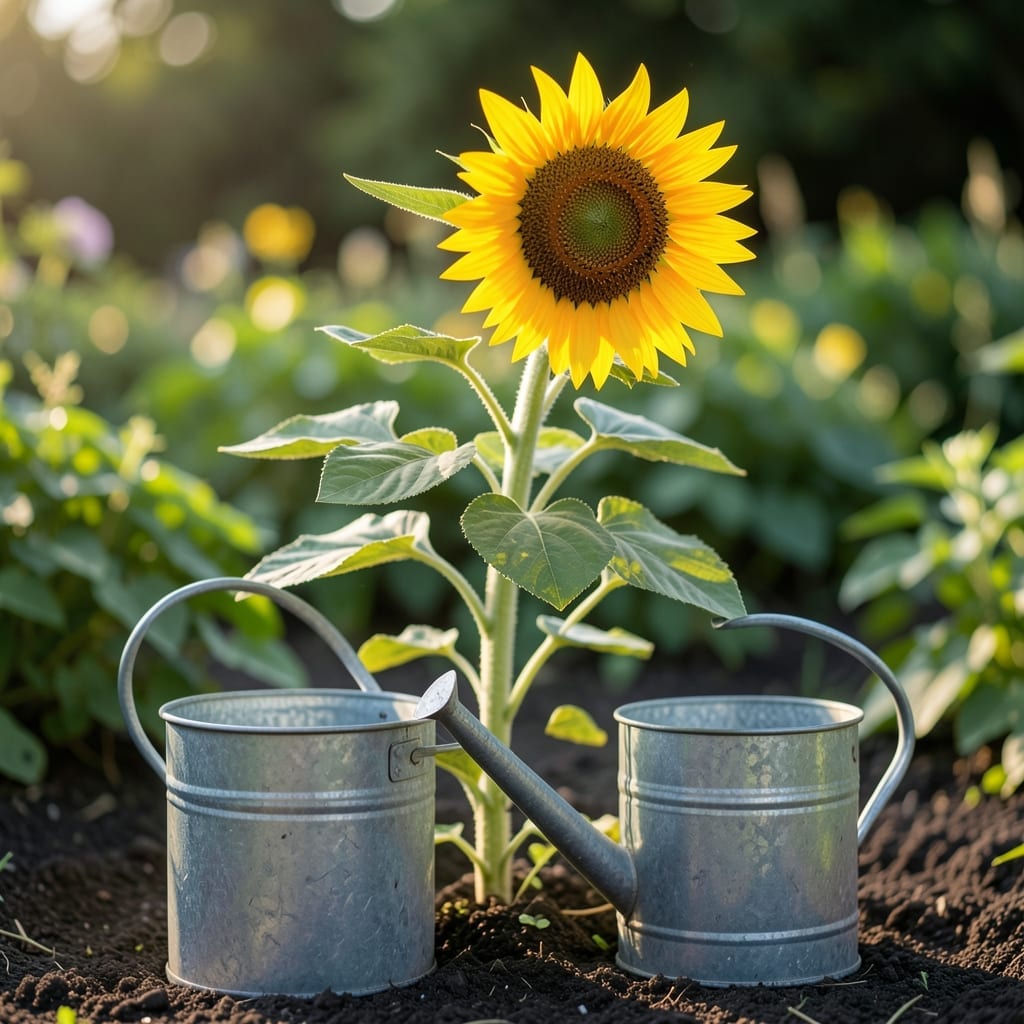
Sunflowers thrive on consistent moisture, but overwatering can be just as damaging as drought. I learned this the hard way when my first attempt at growing 🌻 resulted in wilted stalks instead of vibrant blooms.
Mastering their water needs isn’t complicated once you understand the basics. The right balance leads to those iconic tall, healthy stalks every gardener envies.
I’ll share the key insights I discovered through trial and error. Whether you’re a beginner or seasoned gardener, these tips will help your sunflowers flourish.
Discover exactly how much water they need at each stage and the simple signs to watch for. Let’s grow those sunflowers right together.
Getting sunflower water requirements right is crucial for those towering, cheerful blooms. Each growth stage demands a slightly different approach to keep roots happy without drowning them. I’ve found that consistency beats occasional deep soaks every time.
From seed germination to maturity, your watering rhythm should evolve. Young sunflower seedlings need gentle, frequent moisture, while established plants thrive on deeper, less frequent drinks. Let’s break it down stage by stage.
| Growth Stage | Water Frequency | Amount per Week |
|---|---|---|
| Seedling | Daily | 0.5 inches |
| Vegetative | Every 2-3 days | 1 inch |
| Budding | Every 3-4 days | 1-1.5 inches |
| Flowering | Weekly | 1.5-2 inches |
| Maturity | Bi-weekly | 2 inches |
During the seedling stage, keep the soil moist but not soggy. A light daily watering helps roots establish without risking rot. I use a spray bottle for gentle coverage.
Once vegetative growth kicks in, your sunflowers will drink more. Water every 2-3 days, ensuring the top inch of soil stays damp. This is when they build those sturdy stalks we love.
As buds form, shift to deeper watering every 3-4 days. This encourages strong root systems to support the heavy flower heads. A soaker hose works wonders here.
In the flowering stage, weekly deep watering keeps blooms vibrant. Aim for 1.5-2 inches per week, but always check soil moisture first. Overwatering now can lead to drooping.
At maturity, sunflowers become more drought-tolerant. Bi-weekly watering is often enough, but watch for wilting leaves as a sign they need more.
Remember, these are general guidelines. Adjust based on your soil type and climate. Sandy soil drains fast, while clay holds moisture longer. Always check soil before watering.
Early morning is the best time to water sunflowers. It reduces evaporation and gives plants time to absorb moisture before the heat of the day. Avoid evening watering to prevent fungal issues.
I’ve seen too many sunflower gardens struggle because of simple watering errors. Even experienced gardeners can overlook the delicate balance these plants need to thrive. Let me share the most common pitfalls I’ve encountered.
Whether you’re growing giant Mammoths or dwarf Teddy Bears, these mistakes can stunt growth or even kill your plants. The good news? They’re all easily avoidable with the right knowledge.
Avoid These Watering Blunders
Overwatering: Leads to root rot and fungal diseases.
Underwatering: Causes stunted growth and weak stems.
Poor drainage: Suffocates roots in soggy soil.
Inconsistent schedules: Stresses plants with moisture swings.
Watering at night: Encourages mold growth.
I learned the hard way that sunflowers hate wet feet. If your soil stays saturated for days, you’re likely overwatering. These plants prefer moist but well-drained soil, especially as they mature.
Another critical error is watering at the wrong time. I always recommend morning watering to allow foliage to dry before evening. This simple habit can prevent many fungal issues that plague sunflowers.
Don’t forget that sunflowers are drought-tolerant once established. I’ve seen gardeners drown their plants thinking they need constant moisture. In reality, deep, infrequent watering works best for mature sunflowers.
Finally, watch for signs of distress. If your sunflower leaves are yellowing or wilting, check your watering habits first. More often than not, it’s either too much or too little water causing the problem.
With these tips, you’ll keep your sunflowers happy and standing tall all season long 🌻