
Beautiful Plants For Your Interior
Beautiful Plants For Your Interior
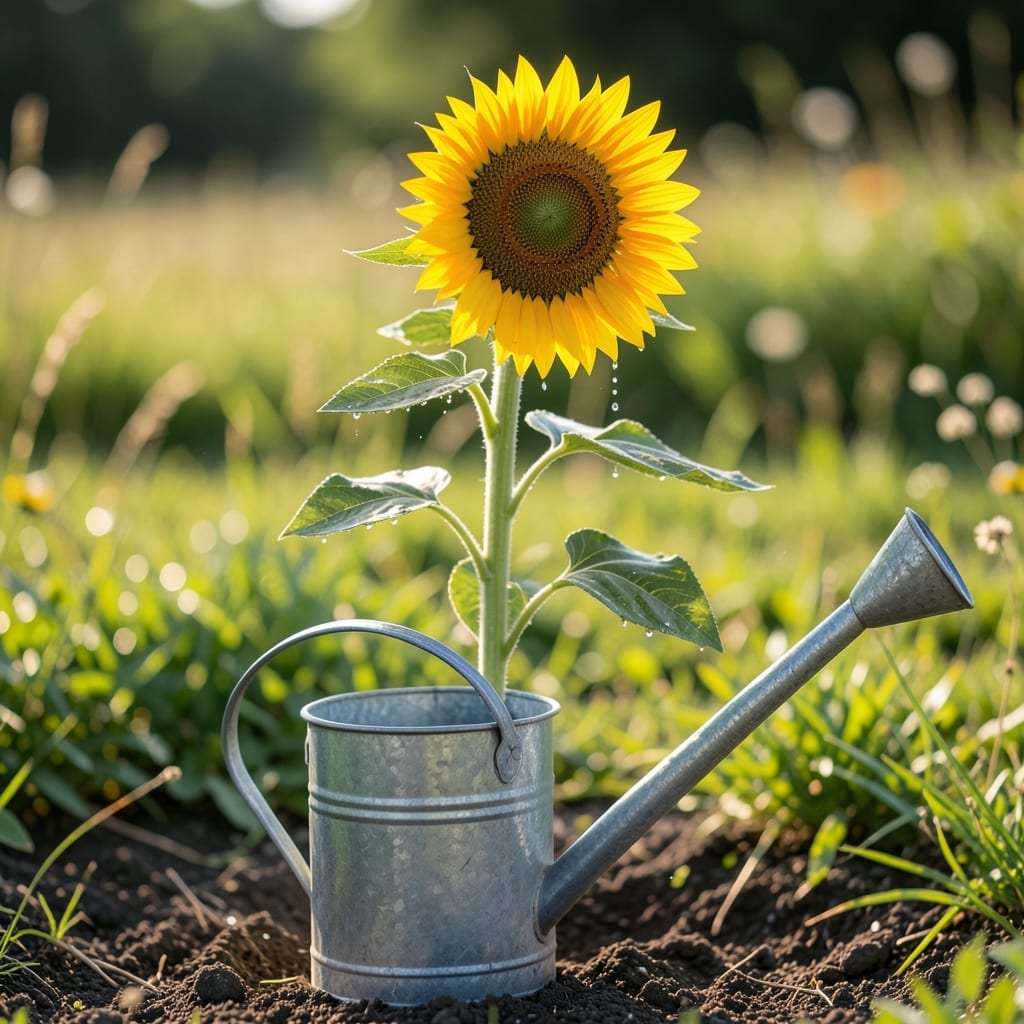
There’s nothing quite like watching a Sunflower 🌻 stretch toward the sky, its golden face following the sun. But those towering stems and vibrant blooms don’t happen by accident—they rely on consistent, proper hydration.
Getting the watering right can mean the difference between a sad, drooping plant and one that stands tall and proud. Too little, and your Sunflower will wilt under the summer heat. Too much, and you risk root rot or stunted growth.
I’ve learned that timing and technique matter just as much as the amount. Whether you’re growing a single stalk or a whole field, nailing the basics will set you up for success.
Discover how to give your plants exactly what they need, when they need it, for a garden that bursts with color and life.
Growing sunflowers successfully starts with understanding their changing water needs. As a gardener, I’ve learned that these tall beauties require different hydration at each stage of development. From germination to seed production, their roots grow deeper, and their demands shift significantly.
During germination, I keep the soil consistently moist but not soggy. This ensures the seeds sprout without rotting. Once the seedlings emerge, I gradually reduce watering to encourage strong root growth and prevent weak stems.
| Growth Stage | Water Frequency | Water Amount | Key Notes |
|---|---|---|---|
| Germination | Daily | 1 inch | Keep soil moist |
| Seedling | Every 2-3 days | 0.5-1 inch | Avoid overwatering |
| Vegetative | Weekly | 1-1.5 inches | Deep watering |
| Flowering | Every 5-7 days | 1.5-2 inches | Support heavy blooms |
| Seed Production | Weekly | 1-1.5 inches | Reduce as seeds mature |
As sunflowers enter vegetative growth, I switch to deep watering once a week. This encourages the roots to stretch downward, making the plants more drought-resistant over time. I always water at the base to keep the foliage dry and prevent disease.
The flowering stage is when sunflowers need the most water. I increase the volume to 1.5-2 inches per week, especially if the weather is hot. These giants drink a lot to support their large blooms and tall stems. A good soak in the early morning works best.
When seed production begins, I start tapering off the water. Too much moisture at this point can lead to moldy seeds. I let the soil dry slightly between waterings, but I never let it get bone dry. The goal is to keep the plants healthy until harvest.
For mature sunflowers, I rely on their deep root systems to find water. In my experience, established plants can handle short dry spells, but I still check the soil regularly. If the top inch is dry, it’s time to water again.
In drought conditions, I prioritize sunflowers with a drip irrigation system. This delivers water directly to the roots, reducing waste. Mulching with straw or wood chips also helps retain moisture and keeps the soil temperature steady.
Remember, overwatering can be just as harmful as underwatering. Sunflowers in poorly draining soil often suffer from root rot. I always ensure my garden beds have good drainage before planting. If you’re growing in containers, use pots with drainage holes and a well-draining potting mix.
With the right approach, your sunflowers will reward you with vibrant blooms and strong stems that can reach 10 feet tall or more. 🌻
I love how Sunflowers can bounce back from a little neglect, but even these hardy plants have limits. Overwatering often shows up as yellowing leaves or a mushy stem base, signaling root distress.
On the flip side, underwatered Sunflowers will tell you they’re thirsty with drooping leaves and dry, crispy edges. Catching these signs early can save your plants from long-term damage.
I’ve found that morning watering works best because it gives the soil time to absorb moisture before the heat of the day. This also helps prevent fungal diseases that thrive in damp, evening conditions.
For potted Sunflowers, the stakes are higher—literally. Containers dry out faster, so I check the soil daily in summer. If the top inch feels dry, it’s time to water. But remember, drainage holes are non-negotiable to avoid soggy roots.
If your Sunflower leaves start turning yellow at the bottom first, it’s often a sign of overwatering. Meanwhile, brown, brittle leaves usually mean the plant is begging for a drink.
Finally, don’t forget that mature Sunflowers are more drought-tolerant than young ones. Once established, they can handle a missed watering or two, but consistent care keeps them thriving. 🌻