
Beautiful Plants For Your Interior
Beautiful Plants For Your Interior
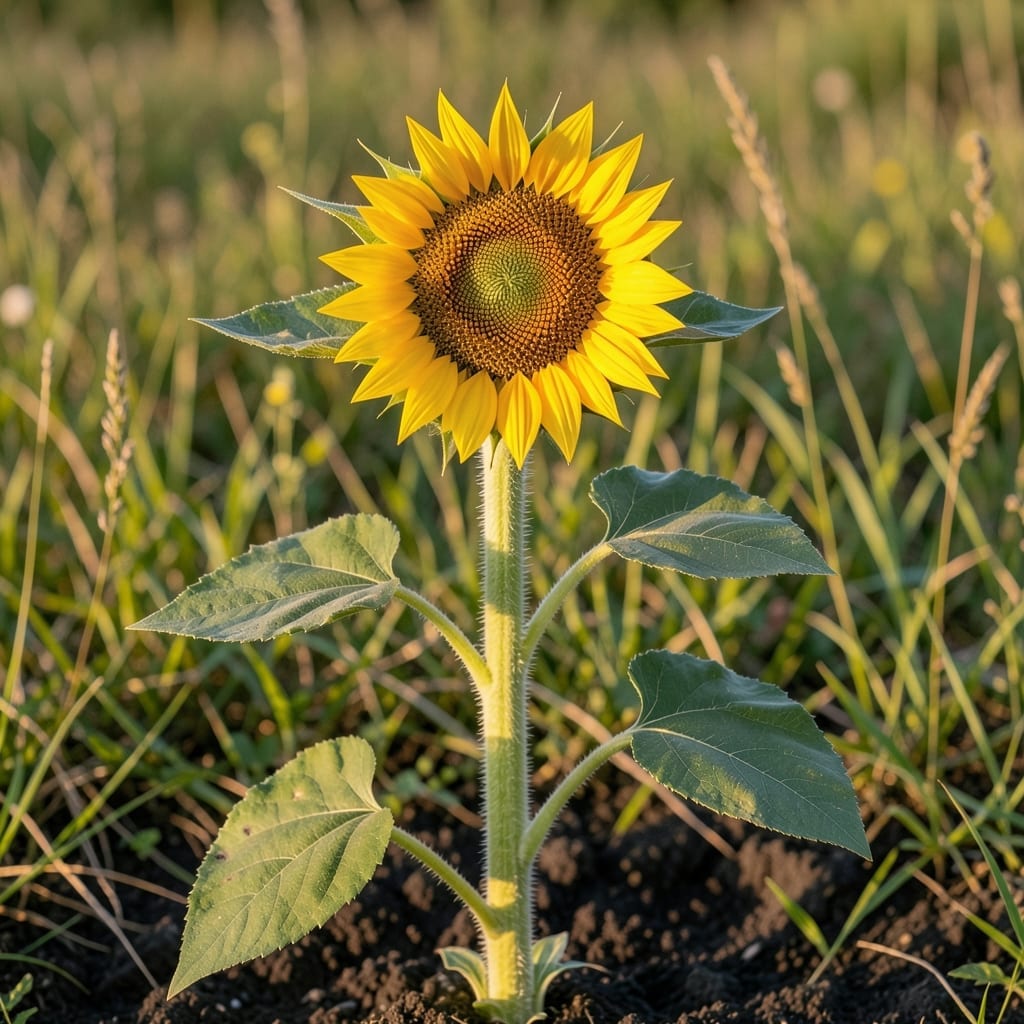
Sunflowers are the ultimate summer bloom, but without the right sunlight, they’ll struggle to reach their full potential. The 🌻 Sunflower thrives with proper exposure, turning simple seeds into towering, vibrant giants.
I’ve seen firsthand how the right amount of light transforms these plants. From weak, leaning stems to strong, sky-reaching beauties, the difference is night and day.
Whether you’re planting in zone 2-11 or just starting out, understanding light needs is the key to success. It’s simpler than you might think.
Let me walk you through exactly what your Sunflowers need to flourish. You’ll be amazed at how much sunlight impacts their growth and vibrancy.

Sunflowers thrive on sunlight, and getting the exposure right is key to strong stems and vibrant blooms. Most varieties need 6-8 hours of direct sunlight daily to reach their full potential. Without enough light, they’ll grow weak and leggy.☀️
I’ve found that dwarf sunflowers can manage with slightly less light, around 5-6 hours, while giant varieties demand the full 8+ hours to tower over your garden. The intensity of light also matters—bright, unfiltered sun produces the best results.
| Variety | Sunlight Needs | Notes |
|---|---|---|
| Dwarf | 5-6 hours | Tolerates partial shade |
| Standard | 6-8 hours | Ideal for most gardens |
| Giant | 8+ hours | Requires full sun |
Seasonal adjustments can make a big difference. In early spring or late fall, when daylight is limited, I position my sunflowers to catch the morning sun, which is less intense but still effective. This helps prevent leggy growth in cooler months.
Light intensity directly impacts stem strength and bloom size. Sunflowers grown in full sun develop thicker stems and larger flower heads. I’ve noticed that those in partial shade often produce smaller blooms and weaker stems.
If your garden has shaded areas, consider planting sunflowers along the eastern or southern edges to maximize exposure. Even a few extra hours of sunlight can lead to noticeably better growth and more vibrant colors.
For container-grown sunflowers, placement is critical. I move my pots throughout the day to ensure they get consistent light. A south-facing balcony or patio is ideal, but even a sunny driveway can work in a pinch.
Remember, sunflowers are heliotropic, meaning they turn to follow the sun. This behavior is most noticeable in young plants and helps them absorb the maximum amount of light. As they mature, they tend to face east permanently.
In my experience, morning sunlight is the most beneficial. It’s less harsh than the afternoon sun and helps dry any dew on the leaves, reducing the risk of fungal diseases. If you can, aim for a spot that gets sun from 6 AM to 2 PM.🌻
Finally, don’t overlook the quality of light. Sunflowers grown in filtered light or under trees may not perform as well as those in open, direct sunlight. If your garden has limited sun, choose dwarf varieties or supplement with reflective surfaces.
If your sunflowers look weak or stunted, insufficient sunlight is often the culprit. These vibrant blooms thrive on 6-8+ hours of direct light daily, and without it, they’ll struggle to grow tall or produce large, bright flowers.
Watch for leaning stems stretching toward light sources, a classic sign they’re desperate for more sun. Small or pale blooms and yellowing leaves also indicate light deprivation, especially in younger plants.
⚠️ Warning: Sunflower Sunlight Deficiency
Weak stems and stunted growth are red flags. If your sunflowers aren’t reaching 3-5 feet by mid-summer, they likely need more direct sunlight or a sunnier location.
Another telltale sign is slow growth. Healthy sunflowers in ideal conditions can grow 1-2 inches per day. If yours are lagging, check for shade from trees or buildings blocking their light.
Leaning isn’t always bad—sunflowers naturally follow the sun—but if they’re bending excessively or growing sideways, it’s a sign they’re not getting even light distribution. Rotate pots or adjust planting spots to balance exposure.
For dwarf varieties, even 4-6 hours of sun may suffice, but giant sunflowers demand full sun. If you notice fewer blooms or smaller seed heads, it’s time to relocate them to a sunnier spot.
Finally, premature drooping can signal light stress. Sunflowers should stand tall and proud until late in their lifecycle. If they’re wilting early, they’re likely starved for sunlight and need immediate adjustments.
Pro tip: Use a sunlight calculator app to track how many hours of direct light your garden receives daily. This helps you place sunflowers where they’ll get the 6-8+ hours they crave ☀️