
Beautiful Plants For Your Interior
Beautiful Plants For Your Interior
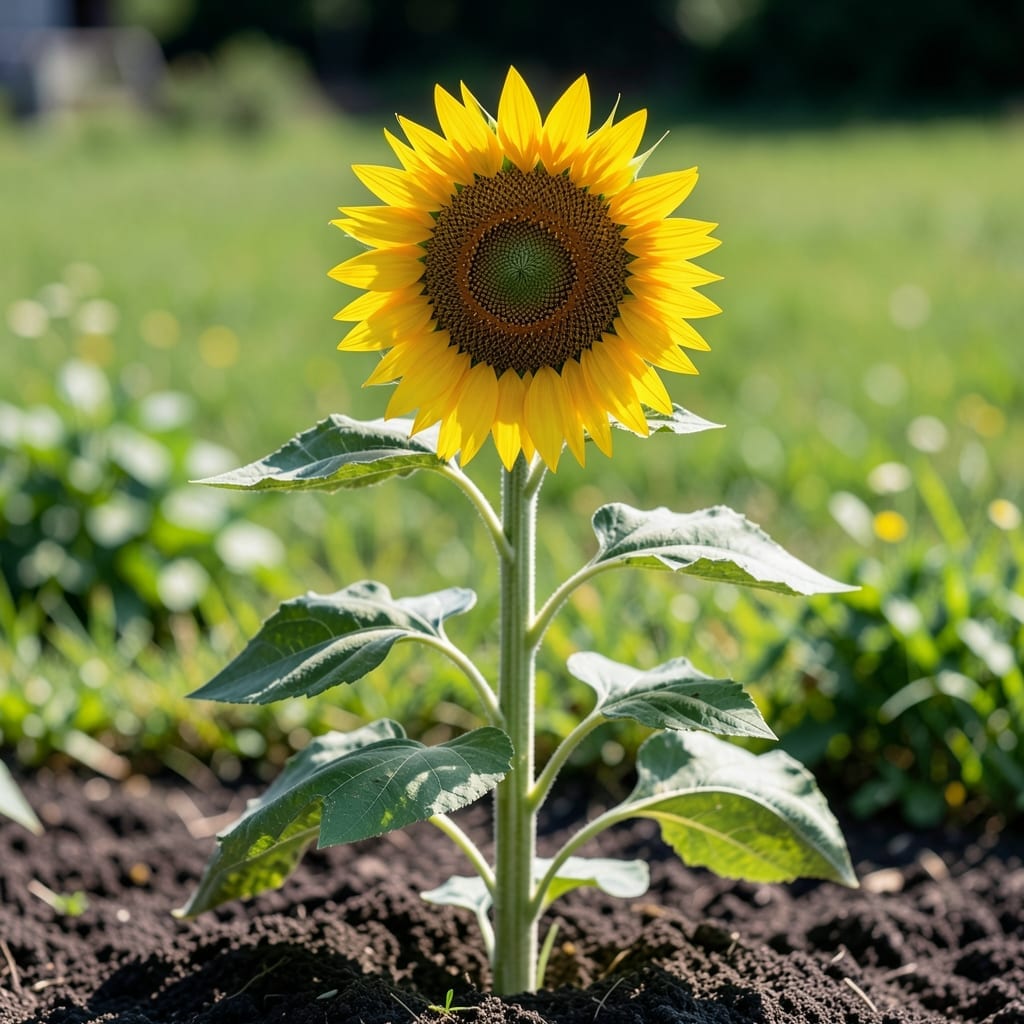
Sunflowers thrive on sunlight, but getting their light requirements right can mean the difference between towering, vibrant blooms and weak, struggling plants.
The 🌻 Sunflower needs plenty of direct light to reach its full potential. Without enough, you might end up with stunted growth or lackluster flowers.
I’ve seen firsthand how the right amount of sunlight transforms these iconic flowers. It’s the key to achieving those impressive heights and bright, healthy blooms we all love.
Discover exactly how to optimize light exposure for your Sunflowers, whether you’re planting in a garden or containers. Let’s make sure your flowers get the energy they need to shine.

If you want vibrant sunflowers that reach for the sky, light exposure is non-negotiable. These cheerful giants crave full sun, meaning at least 6-8 hours of direct sunlight daily. Without it, they’ll grow tall and leggy as they stretch for light.
From germination to maturity, sunflowers need consistent light. Seedlings require bright conditions to establish strong roots. As they grow, more sunlight fuels stem strength and flower development. Even dwarf varieties demand plenty of light.
| Growth Stage | Sunlight Needs |
|---|---|
| Germination | 6+ hours direct sun |
| Seedling | 8+ hours for strong stems |
| Vegetative | Full sun (6-8+ hours) |
| Flowering | 8+ hours for blooms |
| Dwarf Varieties | 6-8 hours minimum |
Giant sunflowers like Mammoth or Russian Giant can exceed 10 feet tall with ample light. They’ll grow weaker and shorter in partial shade, but their flower size may also suffer. I’ve seen sunflowers in shade produce smaller blooms with fewer seeds.
For best results, plant sunflowers where they’ll get morning to afternoon sun. A south-facing garden is ideal, but east or west works too if it provides 6+ hours of direct light. Avoid north-facing spots—they’re usually too shady.
Perennial sunflowers like Helianthus maximiliani also thrive in full sun. These hardy varieties return yearly, but light requirements stay the same. Without enough sun, they may flop over or fail to bloom.
If your garden has partial shade, consider container gardening. Potted sunflowers can be moved to sunnier spots as needed. Just ensure the container is large enough to support their deep root system.
Reflective mulches can help maximize light in less-than-ideal conditions. White plastic or straw reflects sunlight upward, giving plants extra exposure. This trick works well for shorter varieties in slightly shady areas.
Remember, sunlight intensity matters too. In hotter climates, afternoon shade can prevent heat stress. But in most regions, more sun equals happier, healthier sunflowers. I always prioritize sun when choosing a planting spot.
By matching sunflower varieties to your garden’s light, you’ll ensure strong growth and stunning blooms. Whether you’re growing dwarf, giant, or perennial types, full sun is the key to success.
☀️If your sunflowers look weak or pale, they might be light-deprived. Yellowing leaves and stunted growth are classic signs, as these plants crave full sun to thrive. Without enough light, they struggle to photosynthesize effectively.
Another red flag is thin, leggy stems that can’t support the flower heads. Sunflowers stretch toward light, and insufficient exposure leads to weak, floppy growth. This is especially true for giant varieties, which need robust sunlight to reach their potential.
⚠️ Warning: Insufficient Light
Your sunflowers may show pale leaves, leaning stems, or smaller blooms if they’re not getting 6-8+ hours of direct sunlight daily.
To fix the issue, relocate potted sunflowers to a sunnier spot or trim nearby plants casting shade. If your garden has partial shade, consider dwarf varieties like Teddy Bear or Sunspot, which tolerate less light better than giants.
For in-ground plants, thin out competing vegetation to allow more light penetration. Reflective mulches can also help by bouncing sunlight onto the foliage, boosting their energy intake and overall vigor.
Monitor your sunflower’s progress after making adjustments. Healthy growth should resume within 1-2 weeks if light conditions improve. If not, reassess the location or consider supplemental lighting for container-grown specimens.
Remember, even shade-tolerant sunflowers need at least 4-6 hours of sun. Without it, they’ll never achieve their full potential in height or bloom size. Prioritize sunlight for the best results. ☀️