
Beautiful Plants For Your Interior
Beautiful Plants For Your Interior
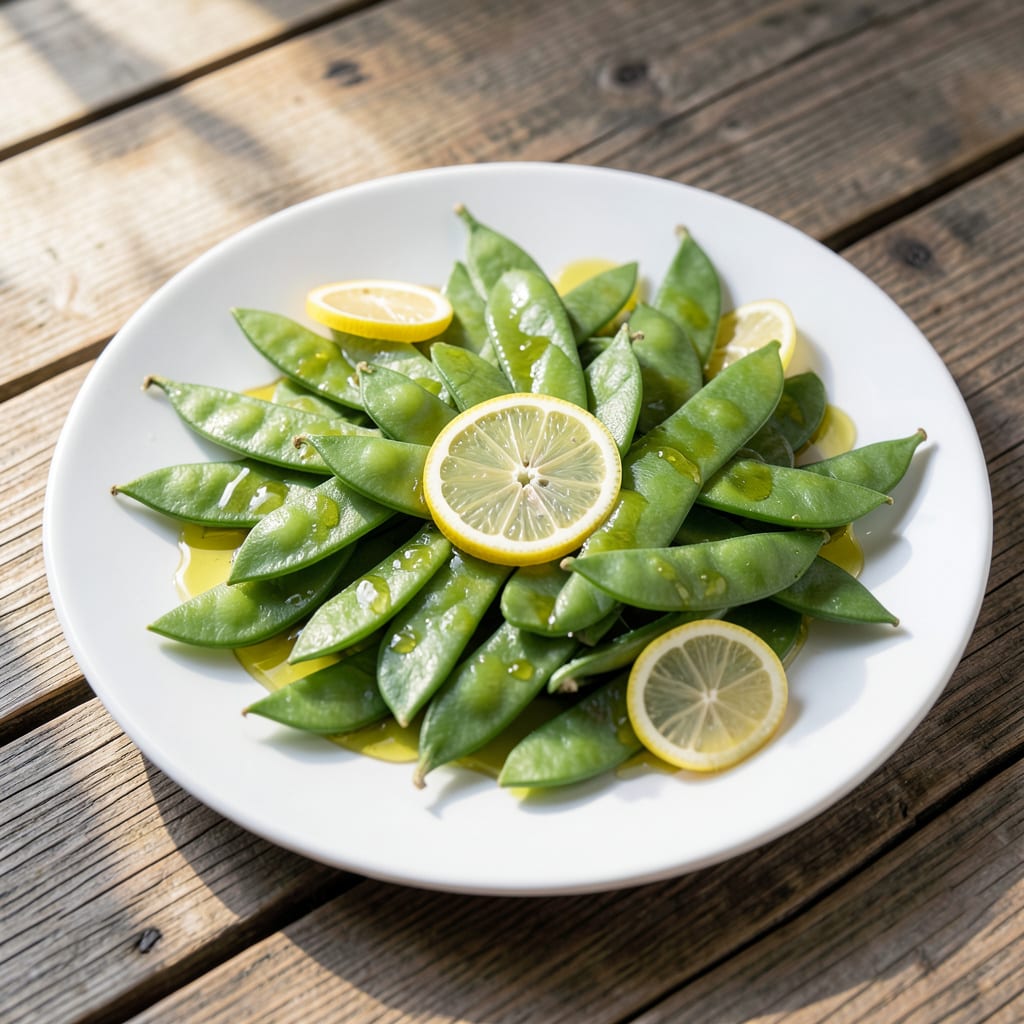
Yellowing leaves on your sugar snap peas mean trouble. I’ve lost entire crops to aphids and powdery mildew before learning to spot the early signs.
Check undersides for pests, watch for white powder, and act fast. Healthy foliage means stronger plants and a better harvest.
📚 In This Guide
This reliable method gives you tender, flavorful leaves perfect for harvest in just a few weeks.
Select a sugar snap pea variety known for abundant leaf production, like ‘Sugar Sprint’ or ‘Sugar Ann’. These types grow quickly and produce tender leaves that are ideal for cooking. I always check the seed packet for the days to maturity—aim for varieties that mature in 60-70 days for the best leaf yield.
Plant in early spring as soon as the soil can be worked, or in late summer for a fall harvest. Soil temperature should be at least 45°F. If you plant too late in spring, the heat will cause the plants to bolt before you get a good leaf harvest. Here’s the thing—peas thrive in cool weather, so timing is everything.
Choose a spot with full sun to partial shade. Peas prefer well-draining soil with a pH between 6.0 and 7.5. Work in a few inches of compost to improve fertility and texture. I’ve found that loose, rich soil encourages strong root growth, which leads to healthier leaves.
Sow seeds 1 inch deep and 2 inches apart in rows spaced 18-24 inches apart. Planting too deeply can delay germination, and crowding seeds leads to weak, spindly plants. Water the area gently but thoroughly after planting to settle the soil around the seeds. You’ll see sprouts emerge in 7-14 days.
Install a trellis or support system at planting time. Sugar snap peas are climbers, and providing a structure keeps the vines off the ground, improving air circulation and making leaves easier to harvest. I use a simple 4-foot tall wire mesh trellis, which works perfectly for most varieties.
Keep the soil consistently moist but not waterlogged. Water at the base of the plants in the morning to allow leaves to dry quickly, which helps prevent disease. You’ll know it’s time to water when the top inch of soil feels dry to the touch. Real talk: peas don’t handle drought well, so don’t let the soil dry out completely.
Begin harvesting leaves when the plants are 6-8 inches tall and have several sets of true leaves. Pick the youngest, most tender leaves at the top of the plant, leaving the lower leaves to continue photosynthesizing. I like to harvest in the morning when the leaves are crisp and full of flavor.
Use clean, sharp scissors or your fingers to snap off the leaves just above a leaf node. This encourages the plant to branch out and produce more foliage. Avoid removing more than one-third of the leaves at a time to keep the plant healthy and productive. You’ll be able to harvest leaves every 7-10 days throughout the growing season.
To maximize your harvest, keep an eye on the weather. If temperatures consistently rise above 80°F, the plants may start to bolt. Providing some afternoon shade can help extend the growing season. I’ve had success using a lightweight shade cloth to protect plants during heatwaves.
Successive planting is another great strategy. Sow a new batch of seeds every 2-3 weeks to ensure a continuous supply of fresh leaves. This way, you’ll have tender pea leaves ready for stir-fries and salads all season long. Don’t skip this (I learned the hard way)—one planting just isn’t enough once you taste how good they are.
These small adjustments will help you grow the most tender, flavorful leaves every time.
Timing Secret: Plant your seeds when soil reaches at least 45°F in early spring or late summer. If you wait until warmer weather, the plants will bolt before producing a good leaf harvest. I learned this the hard way after losing an entire early crop to heat stress.
The Depth Factor: Stick to planting seeds exactly 1 inch deep and 2 inches apart. Going deeper delays germination, and crowding creates weak, spindly plants that struggle to produce those tender leaves we want. Trust me, precise spacing makes a noticeable difference in plant health.
Watering Wisdom: Keep soil consistently moist but never waterlogged. Water at the base in the morning, and only when the top inch of soil feels dry. Peas hate drought, but they also dislike soggy roots—finding this balance prevents disease and promotes leafy growth.
Harvest Strategy: Start picking leaves when plants reach 6-8 inches tall, but never remove more than one-third at once. Harvest in the morning for the crispest leaves, and always snap just above a leaf node to encourage branching and more foliage production.
Yes! Sugar snap pea leaves are tender and mild, perfect for raw salads or sandwiches. Just ensure they’re fresh and free of pesticides for the best flavor and safety.
Harvest young leaves early in the morning for peak freshness. Smaller leaves are more tender, so pick them before they mature to avoid bitterness.
Try pea shoots, spinach, or young snow pea leaves as substitutes. They offer a similar mild, slightly sweet flavor perfect for stir-fries or garnishes.
Yellowing leaves often signal overwatering, nutrient deficiency, or pest issues. Check soil moisture and inspect for bugs. Adjust care to restore plant health.
