
Beautiful Plants For Your Interior
Beautiful Plants For Your Interior
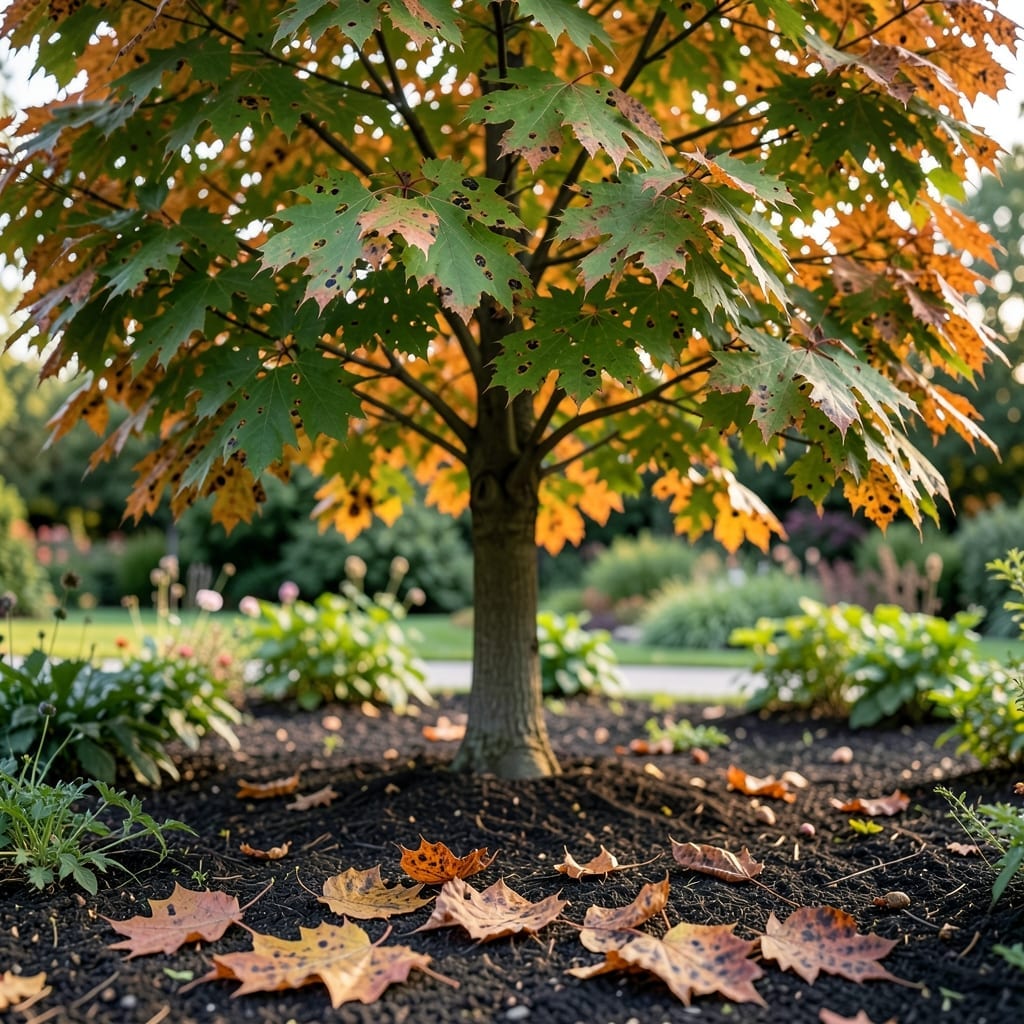
Spot the warning signs before your sugar maple suffers irreversible damage. I’ve learned the hard way that early detection is the difference between saving a tree and losing it to disease.
Yellowing leaves, blackened bark, or oozing sap aren’t just unsightly—they’re cries for help. Most diseases start small, but left unchecked, they spread fast through entire groves in a single season.
You’ll find that prevention is simpler than treatment. Proper spacing, airflow, and seasonal inspections stop problems before they start. Even old trees can bounce back with the right care.
This guide covers the most common threats—from tar spot to root rot—and how to handle them without harming the environment. Your maples deserve a fighting chance.
Sugar maples are hardy, but even these icons of the forest can fall prey to disease when conditions align. Understanding the why behind these issues is the first step in safeguarding their health. Below are the primary triggers, each with its own scientific backdrop.
Extreme weather—drought, heatwaves, or unseasonably cold snaps—weakens a sugar maple’s defenses. Water stress reduces the tree’s ability to produce defensive compounds like phenols, making it more susceptible to fungal invaders such as Tar Spot or Anthracnose. Poorly drained or compacted soil can also suffocate roots, limiting nutrient uptake and leaving the tree vulnerable.
Many sugar maple diseases stem from opportunistic pathogens. Verticillium wilt, for example, thrives in soil and enters through injured roots, blocking the tree’s vascular system. Similarly, Phytophthora root rot flourishes in waterlogged soils, attacking the roots and starving the tree. Bacterial leaf scorch (Xylella fastidiosa) spreads via insect vectors, clogging xylem vessels and disrupting water transport.
Pests like the Asian longhorned beetle or maple bark borers create entry points for disease. Their boring activity damages the cambium layer, the tree’s lifeline for nutrient transport. Stressed trees (e.g., those in urban settings with limited root space) are especially prone to infestations, which can introduce secondary infections like Nectria canker.
Construction, inappropriate pruning, or chemical exposure can compromise a sugar maple’s health. Root zone disturbances (e.g., from digging or paving) sever critical roots, while improper pruning cuts can leave wounds open to Botryosphaeria canker. Herbicides or salt spray from roads may also weaken the tree, paving the way for disease.
Keeping your sugar maples healthy starts with quick action and smart prevention. Below are targeted fixes for common issues, along with tips to stop problems before they start.
Rake and remove fallen leaves in autumn to eliminate fungal spores. Prune dense branches to boost air circulation, reducing humidity that fuels growth. Apply fungicide (like copper-based options) in early spring if infections persist. Prevention tip: 💡 Space trees properly during planting to minimize future outbreaks.
Remove and destroy infected leaves and twigs immediately. Treat with fungicides (e.g., chlorothalonil) at bud break and repeat as directed. Prevention tip: 🌡️ Water at the base of the tree to keep foliage dry, and avoid overhead irrigation.
Blast aphids off leaves with a strong stream of water. Introduce ladybugs or lacewings as natural predators. For severe cases, use insecticidal soap or neem oil. Prevention tip: ✨ Encourage biodiversity in your yard to attract beneficial insects year-round.
Amend soil with organic matter to enhance drainage. Avoid overwatering, and ensure the planting site has good slope. If rot is advanced, consult an arborist for fungicide drench options. Prevention tip: 🎯 Test soil drainage before planting—sugar maples hate soggy roots!
Carefully expose the root flare and cut circling roots with clean tools. Apply a 2–3 inch layer of mulch (but keep it away from the trunk). Prevention tip: 🌱 Inspect young trees annually for early signs of root binding.
Consistent care and early intervention can save your sugar maples from lasting damage. Stay vigilant, and your trees will thrive for generations!
Look for yellow or black spots on leaves by mid-summer. These spots often have a tar-like texture and can merge into larger patches.
Rarely, but it can weaken the tree over time. Severe cases may cause leaf drop and branch dieback, especially in young trees.
Ensure proper drainage and avoid overwatering. Plant in well-draining soil and keep mulch away from the trunk.
Yes, if caught early. Carefully expose the roots and cut any circling ones with clean tools.