
Beautiful Plants For Your Interior
Beautiful Plants For Your Interior
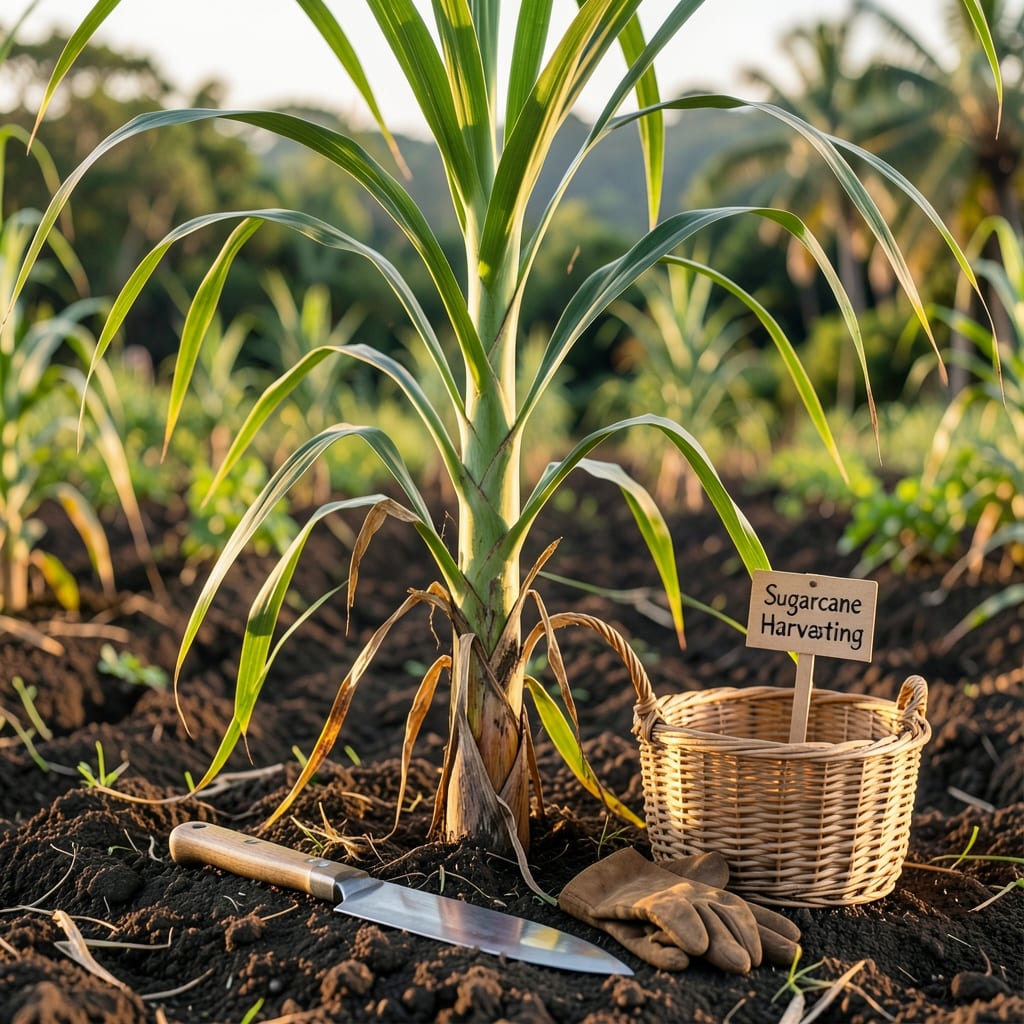
Sugar cane season typically runs from late summer through early winter, with peak harvest in fall when stalks reach maximum sucrose content. Timing varies by climate and region.
I’ve noticed the sweetest harvests happen when weather conditions are just right—warm days and cool nights help the plants store more sugar. 🔥 In tropical areas, the window can stretch longer, while cooler climates often see a shorter, more concentrated season. This natural cycle ensures the best flavor and yield for processing into raw or refined products.
💡 In This Article
Warm temperatures between 70-90°F accelerate photosynthesis, helping stalks accumulate sucrose. Cool nights below 60°F signal the plant to store more sugar rather than grow new leaves, which is why fall harvests taste sweeter. Tropical regions can have nearly year-round growth, but sucrose peaks during dry seasons when stress triggers sugar concentration.
Soil quality dramatically impacts yield. Ideal conditions include well-drained, loamy soil with a pH of 6.0-7.5. High clay content can restrict root growth, while sandy soils drain too quickly.
In Louisiana, the rich alluvial soil of the Mississippi Delta produces some of the highest sucrose-content cane in the U.S., often testing above 14% sugar at peak maturity. 🔥
Rainfall patterns create regional differences. Too much rain dilutes sucrose, while drought stress can stall growth. Florida’s wet summer followed by a dry fall creates perfect conditions. Varieties also play a role—early-maturing types like CP 89-2143 may be ready in 12 months, while others need 18-24 months to reach full sweetness.
Daylight hours trigger maturation. As days shorten in fall, the plant shifts energy from leaf production to sugar storage. This photoperiod sensitivity is why northern growers in places like Georgia harvest earlier than southern producers. The timing difference can be up to 6-8 weeks between regions.
Wind and humidity affect quality too. High humidity can lead to fungal diseases that reduce sucrose, while strong winds may damage stalks. In Hawaii, trade winds help keep plants healthy, contributing to their reputation for consistently high brix (sugar content) readings, often above 20° during peak season. ✨
Peak sweetness typically hits in fall when cool nights signal stalks to store maximum sucrose. In tropical areas, this can shift to dry season months.
Early varieties may be ready in 12 months, while others need 18-24 months to reach full sweetness. Climate and soil conditions can speed up or delay this process.
Early morning is ideal when stalks are fully hydrated and temperatures are cooler. This makes cutting easier and preserves sugar content.
Avoid harvesting immediately after rain, as excess moisture dilutes sucrose levels. Wait 24-48 hours for stalks to recover their natural sweetness.
Look for a dry, brown base and firm feel. For precision, use a refractometer to test brix levels—above 18% indicates peak sweetness.