
Beautiful Plants For Your Interior
Beautiful Plants For Your Interior
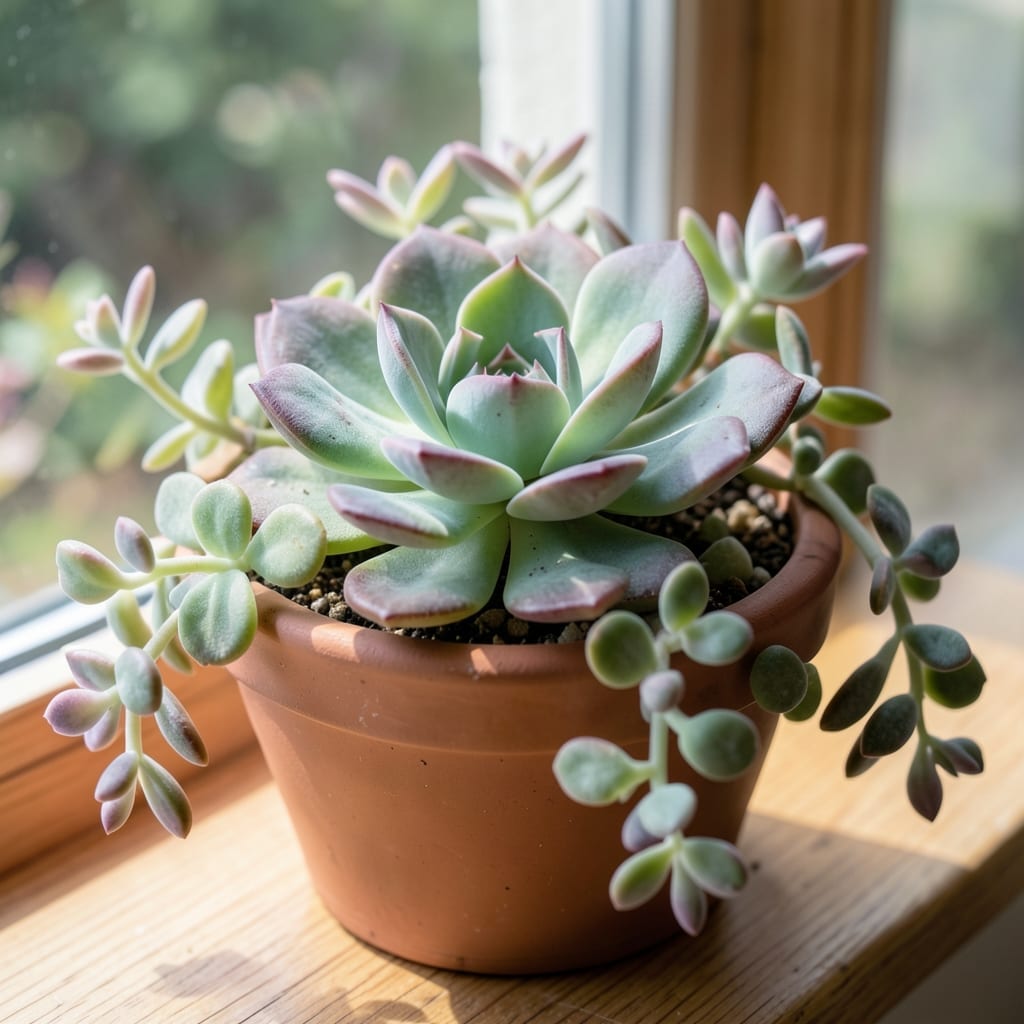
My echeverias looked shockingly vibrant last week—deep purple where they’d been green. Turns out, color shifts in succulents often signal stress, not beauty.
Too much sun, cold temps, or nutrient issues can trigger this dramatic change. I’ve seen it happen overnight when plants get 6+ hours of intense afternoon light without acclimation.
Fixing it usually means adjusting exposure gradually or moving plants to shelter. The good news? Most recover quickly once conditions stabilize.
Prevention is simpler than cure: monitor light, check soil moisture, and protect from sudden temperature swings.
Succulents turning purple is often a natural stress response, but it can also signal underlying issues. Here’s why it happens:
Intense sunlight triggers anthocyanin production, a pigment that protects plant cells from UV damage. This is common in species like Echeveria or Sedum, which develop vibrant purples under full sun. However, too much direct light can also cause sunburn if the plant isn’t acclimated.
Cold temperatures (below 50°F/10°C) or sudden temperature drops can induce purple hues as succulents produce anthocyanins to shield their tissues. While some varieties (e.g., Sempervivum) thrive in cooler climates, tropical succulents may suffer damage if exposed to frost.
Underwatering causes mild stress, prompting some succulents to turn purple as a survival mechanism. However, severe dehydration leads to shriveled leaves—so check soil moisture if the color change is paired with wilting.
A phosphorus deficiency can trigger purpling, especially in younger leaves. Test your soil if the discoloration spreads unevenly or is accompanied by stunted growth. A balanced, low-nitrogen fertilizer can help restore vibrancy.
Pro Tip: If your succulent’s purple tones are vibrant and the plant looks healthy, it’s likely just showing off its natural stress colors! 💜
If your succulents are turning purple, don’t panic—there are simple fixes to restore their natural green hue. Below are targeted solutions for the most common causes, along with prevention tips to keep your plants thriving.
If your succulent is getting excessive direct sunlight, move it to a spot with bright but indirect light. A sheer curtain or partial shade can help diffuse harsh rays. Gradually reintroduce sunlight to avoid shock.
Prevention tip: Rotate your plants weekly to ensure even light exposure and prevent stress-induced color changes.
Succulents prefer warm temperatures (60–80°F). If yours are exposed to cold drafts or temperatures below 50°F, move them indoors or to a sheltered area. Use a heat mat for outdoor plants in chilly climates.
Prevention tip: Avoid placing succulents near windows or doors that let in cold air.
Check the soil: if it’s bone-dry, give your plant a deep watering until water drains from the bottom. If soggy, let it dry out completely before watering again. Use a well-draining soil mix to prevent root rot.
Prevention tip: Water only when the top inch of soil is dry—succulents store water efficiently!
A lack of phosphorus or magnesium can cause purpling. Use a balanced, diluted succulent fertilizer (5-5-5 or 10-10-10) every 4–6 weeks during the growing season. Avoid over-fertilizing, which can harm roots.
Prevention tip: Repot every 2–3 years with fresh soil to replenish nutrients.
Inspect leaves for pests like aphids or mealybugs. Wipe them off with a cotton swab dipped in rubbing alcohol or use a mild insecticidal soap. Isolate affected plants to prevent spreading.
Prevention tip: Regularly inspect your succulents and keep them clean to deter pests.
With these adjustments, your succulents should return to their vibrant, healthy green in no time. 🌿
Not necessarily! Some varieties naturally develop purple hues in full sun or cooler temps. If the plant looks healthy and firm, it’s likely just showing its stress colors.
Sun stress causes even purple tones, while sunburn appears as brown, crispy patches. Move plants gradually to brighter light to prevent burning.
Yes, if you adjust the growing conditions. Reduce light exposure or move to a warmer spot, and the color should fade in 2-4 weeks.
Indirectly—yes. Root rot from overwatering stresses the plant, which may trigger color changes. Always check soil moisture before watering.