
Beautiful Plants For Your Interior
Beautiful Plants For Your Interior
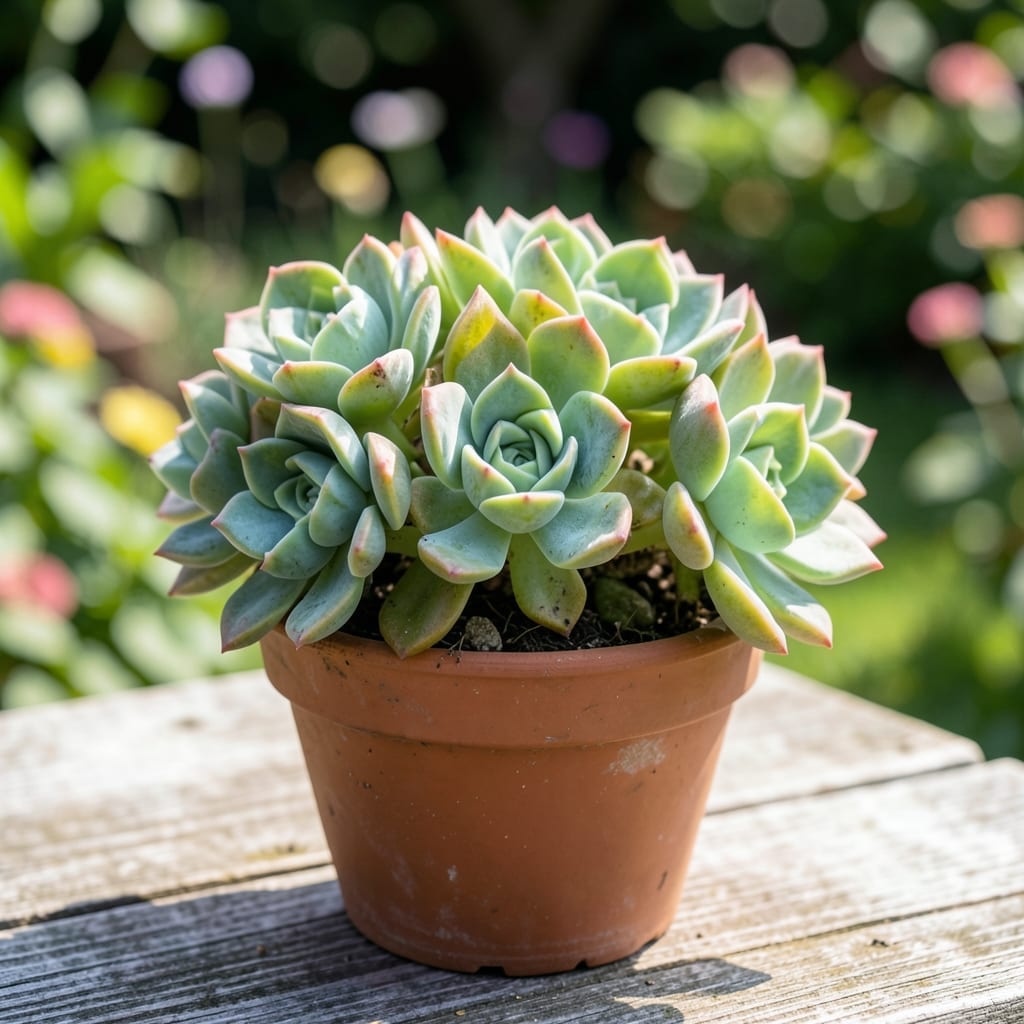
My succulents turned pink last summer, and I panicked. Turns out, it’s often their way of saying they need something different—more light, less water, or a temperature shift.
The color change isn’t always bad. Some varieties blush beautifully with sun stress, but too much can scorch them. Others turn pink from cold or poor soil. I learned to watch for the difference between healthy color and distress signals.
With a few adjustments, you can bring them back to their natural hue—or keep that pink if you love it. The key is understanding what your specific plants are telling you.
Works for echeverias, sedums, and most common types. Let’s decode the message.
Succulents turning pink is often a sign of stress, but not always a bad one. Here’s why it happens:
Intense sunlight triggers anthocyanin production, a pigment that gives leaves a pink, red, or purple hue. This is a natural defense mechanism to protect the plant from UV damage. If your succulent gets too much direct sun, the color deepens as a stress response. Gradual acclimation helps prevent sunburn while encouraging vibrant colors.
Cool nights (below 50°F/10°C) paired with warm days can stimulate anthocyanin production. Many succulents, like Echeveria or Sedum, develop pink tones in response to this temperature stress. It’s a survival tactic to shield cells from cold damage.
Underwatering or inconsistent watering can cause pink hues as the plant conserves resources. However, overwatering may also lead to stress-induced color changes, often accompanied by mushy leaves. Check soil moisture before adjusting your care routine.
A deficiency in phosphorus or potassium can sometimes trigger pink or purple tinges, especially in new growth. Use a balanced, diluted succulent fertilizer to correct this—avoid over-fertilizing, which can harm roots.
In most cases, pink succulents are healthy and thriving! Monitor for other stress signs (wilted leaves, black spots) to determine if action is needed.
If your succulents are turning pink, don’t panic—this color shift is often reversible. Below are targeted fixes for the most common causes, along with tips to keep your plants thriving in their natural green (or intended) hues.
If sun stress is the culprit, move your succulent to a spot with bright but indirect light. East-facing windowsills or a shaded patio are ideal. Gradually reintroduce sunlight over 1–2 weeks to avoid shocking the plant. Prevention tip: Use a sheer curtain to diffuse harsh rays during peak afternoon hours. 🌡️
Adjust your watering routine—overwatering or underwatering can both trigger stress colors. Let the soil dry completely between waterings, and ensure pots have drainage holes. For underwatered plants, soak the soil thoroughly until water runs out the bottom. Prevention tip: Stick to a “soak and dry” method and check soil moisture with your finger before watering. 💡
Relocate your succulent if it’s exposed to cold drafts or scorching heat. Keep it in a stable environment between 60–80°F (15–27°C). If outdoors, bring potted succulents inside during frost warnings or heatwaves. Prevention tip: Avoid placing plants near vents, radiators, or AC units. ✨
A lack of nutrients (or too much fertilizer) can cause color changes. Use a balanced, diluted succulent fertilizer (half-strength) every 4–6 weeks during the growing season. Flush the soil with water if you suspect fertilizer burn. Prevention tip: Repot every 2 years with fresh, well-draining soil to replenish nutrients. 🎯
Not necessarily! Many succulents develop pink hues as a natural response to sun stress or cool temperatures. It’s often a sign of healthy anthocyanin production. Just monitor for other distress signals like wilting.
Gradually increase sunlight exposure and ensure cool nighttime temperatures (50-60°F). Avoid sudden changes to prevent sunburn. Echeverias and sedums often respond well to this treatment.
This combination suggests overwatering. Stop watering immediately and move the plant to a dry, shaded spot. Check the roots for rot and repot if necessary.
Yes, if you reduce stress factors like intense light or temperature swings. The color will gradually return to green as the plant adjusts to more stable conditions.