
Beautiful Plants For Your Interior
Beautiful Plants For Your Interior
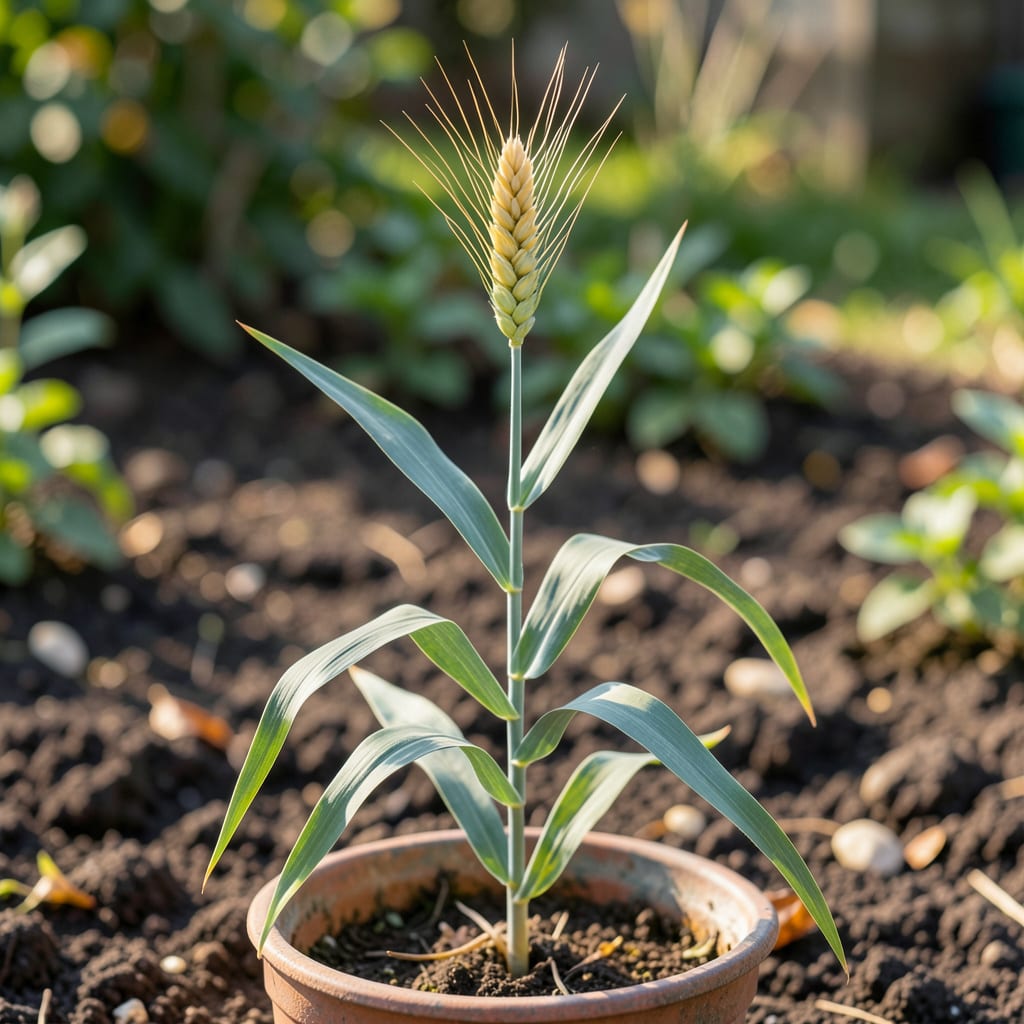
As I stand in a field of 🌾 Wheat, I’m always amazed by how tall the straws can grow. The height of Wheat straws can vary greatly depending on factors like variety and growing conditions.
In ideal conditions, Wheat straws can reach impressive heights – let’s explore what determines their maximum height and what that means for gardeners and farmers.

Wheat straw height is influenced by various factors, including the specific variety of wheat, climate conditions, and cultivation practices. Different types of wheat have distinct growth characteristics that affect their final height 🌾.
The genetic makeup of the wheat variety plays a crucial role in determining its potential height. Some varieties are bred to be taller, while others are more compact. Environmental factors such as temperature, moisture levels, and soil quality also significantly impact wheat growth.
Understanding these factors is essential for both farmers and gardeners who want to optimize their wheat cultivation. The interaction between genetic potential and environmental conditions ultimately determines the height of wheat straws.
Ideal growing conditions can lead to wheat straws reaching their maximum potential height. Factors such as adequate moisture, proper soil nutrients, and favorable temperatures contribute to healthy plant growth.
The height of wheat straws is not just a matter of curiosity; it has practical implications for crop management and harvesting techniques. Taller straws may require additional support to prevent lodging, while shorter varieties might be more suitable for certain environmental conditions 🌼.
Farmers and gardeners can use knowledge about wheat straw height to make informed decisions about planting density, fertilizer application, and irrigation strategies. By understanding the factors that influence wheat straw height, they can optimize their cultivation practices for better yields.
Wheat straw height can vary significantly across different regions and climates. For example, wheat grown in areas with ample rainfall and rich soil tends to grow taller than in drier or less fertile regions.
The average height of wheat straws can range from 2 to 4 feet, depending on the variety and growing conditions. However, some exceptional varieties have been known to reach heights of up to 6 feet or more under ideal circumstances.
Research and experimentation continue to push the boundaries of what is possible in wheat cultivation. By studying the factors that affect wheat straw height, scientists and farmers can develop new varieties and techniques to improve crop performance.
In conclusion, the height of wheat straws is a complex trait influenced by a combination of genetic, environmental, and management factors. By understanding these influences, we can better appreciate the diversity of wheat cultivation practices around the world 🌾.
Wheat straw height is a fascinating topic that affects both farmers and gardeners. The height of wheat straws can vary greatly depending on factors like variety and growing conditions 🌾.
The maximum height of wheat straws is influenced by several key factors, including genetics, climate, and cultivation practices. Understanding these factors is crucial for optimizing wheat cultivation.
Some wheat varieties can reach heights of up to 6 feet or more under ideal conditions.
Typically, wheat straws range from 2 to 4 feet in height, depending on the variety and growing conditions.
Climate, soil quality, and cultivation practices all play a role in determining wheat straw height.
The height of wheat straws has significant implications for both farmers and gardeners. Understanding the factors that influence height can help optimize planting strategies, crop management, and harvesting techniques.
Farmers can use this knowledge to make informed decisions about planting density, fertilizer application, and irrigation strategies. By optimizing these factors, farmers can improve crop yields and reduce the risk of lodging.
Gardeners can also benefit from understanding wheat straw height. By selecting varieties that are well-suited to their local climate and soil conditions, gardeners can grow healthy and productive wheat crops 🌼.
In conclusion, the maximum height of wheat straws is an important aspect of wheat cultivation. By understanding the factors that influence height, both farmers and gardeners can optimize their practices for better results 🌾.
Understanding wheat straw height has significant practical implications for both gardeners and farmers, influencing everything from planting strategies to harvesting techniques 🌾.
By understanding wheat straw height, you can make informed decisions about planting density, fertilizer application, and irrigation strategies to achieve better crop yields.
The height of wheat straws affects planting strategies, with taller varieties requiring more space and potentially needing additional support to prevent lodging.
Crop management practices, such as fertilizer application and irrigation, can be optimized based on the expected height of the wheat straws.
For gardeners, understanding wheat straw height helps in selecting varieties that are well-suited to their local climate and soil conditions, leading to healthier and more productive wheat crops 🌼.
Farmers can benefit from this knowledge by adjusting their harvesting techniques according to the height of their wheat straws, potentially reducing losses during harvest.
The practical implications of wheat straw height extend to landscape design as well, where understanding the mature height of wheat can help in planning and managing field layouts.
By considering the factors that influence wheat straw height, both gardeners and farmers can improve their cultivation practices, leading to more successful and productive wheat crops 🌾.
Wheat straws usually grow between 2 to 4 feet tall, depending on the variety and growing conditions. Some exceptional varieties can reach up to 6 feet under ideal circumstances. Proper care and optimal growing conditions can help achieve maximum height .
The height of wheat straws is influenced by genetics, climate, and cultivation practices. Factors like temperature, moisture levels, and soil quality also play a significant role. Understanding these factors helps in optimizing wheat cultivation for better yields .
Wheat straw height impacts planting density, fertilizer application, and irrigation strategies. Taller varieties may require additional support to prevent lodging, while shorter varieties might be more suitable for certain environmental conditions. Adjusting farming practices based on wheat straw height can lead to improved crop management and harvesting techniques .
Yes, gardeners can benefit by selecting wheat varieties that are well-suited to their local climate and soil conditions. Understanding wheat straw height helps gardeners make informed decisions about planting and care, leading to healthier and more productive wheat crops .
