
Beautiful Plants For Your Interior
Beautiful Plants For Your Interior
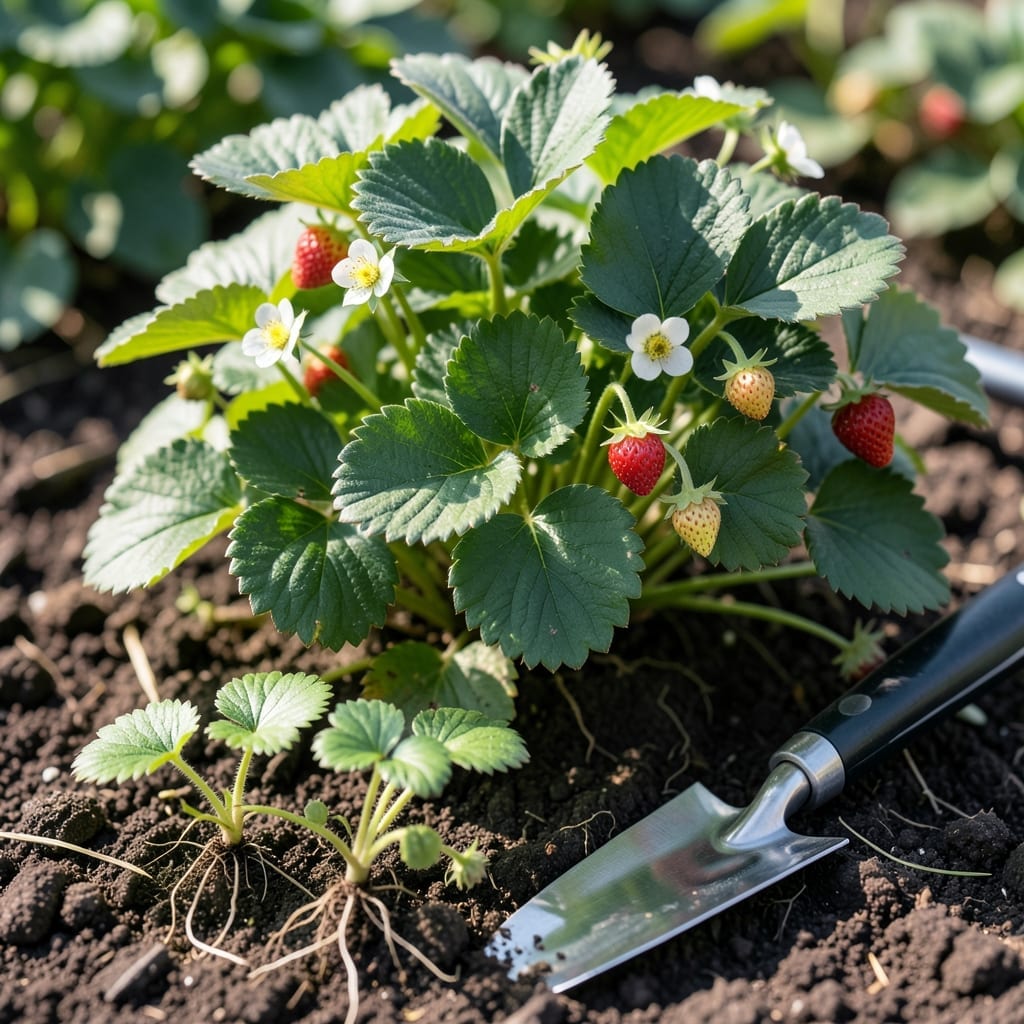
There’s nothing quite like plucking a ripe strawberry 🍓 from your own garden. That first taste of sun-warmed, homegrown fruit makes all the effort worthwhile.
Whether you’re new to gardening or have some experience, growing strawberries is more straightforward than you might think. With the right approach, you can enjoy bountiful harvests season after season.
I’ll guide you through every key step, from selecting the best varieties for your climate to planting techniques that ensure strong, healthy growth. This is about setting you up for success from day one.
Discover how simple adjustments in soil prep and care can dramatically improve your yield. Let’s turn your garden into a strawberry paradise together.


Planting strawberries starts with proper soil preparation. I always test my soil pH (5.5-6.8) and amend with compost for nutrients. Bare root plants need well-draining soil to thrive. 🌱
For best results, plant in early spring or late summer. This gives roots time to establish before extreme temperatures. I recommend morning planting to reduce stress on the plants.
I’ve found that 12-18 inch spacing allows for good air circulation. This prevents fungal diseases and makes harvesting easier. Rows should be 3-4 feet apart for walkways.
The crown positioning is critical. I make sure it sits just above soil to avoid rot. Too deep and the plant suffocates; too shallow and roots dry out.
After planting, I water deeply to settle the soil. A 2-3 inch mulch layer of straw helps retain moisture and suppress weeds. This also protects berries from soil contact.
For the first week, I check soil moisture daily. Strawberries need consistent moisture but hate soggy conditions. A drip irrigation system works best for even watering.
I feed my plants with a balanced 10-10-10 fertilizer every 4-6 weeks. Early morning is the best time to fertilize to prevent leaf burn from the sun.
Within 2-3 weeks, you should see new growth. The plants will focus on root establishment first, then foliage. Be patient – the first harvest takes about 60-90 days. 🌿
Choosing the right strawberry variety makes all the difference in your harvest. I’ve found that June-bearing types produce one large crop per year, perfect for preserves. Meanwhile, everbearing strawberries give multiple smaller harvests through the season.
Day-neutral strawberries are my top pick for beginners. They produce fruit continuously and thrive in various climates, including USDA zones 4-9. Each type has unique needs, so match them to your garden’s conditions.
For small spaces or containers, I recommend Alpine strawberries. These tiny plants pack a punch with intense flavor and don’t need much room. They’re also perennial, coming back year after year with minimal care.
If you’re in a hotter climate, consider Fort Laramie or Chandler varieties. These handle heat better and still produce sweet, juicy berries even when temperatures rise.
Remember, soil quality matters more than variety. Test your soil’s pH level—strawberries prefer slightly acidic soil between 5.5 and 6.5. Amend with compost for best results.
Finally, mulching is key to retain moisture and suppress weeds. I use straw or pine needles to keep my plants happy and productive through the growing season.
🌱